Dedicated to sustainable,
high performance building

Design practice: Building a New Culture of Care

By Farshid Rafiei

The South-Central Foundation, an independent health authority responsible for the health and wellbeing of 65,000 Native Americans throughout the state of Alaska, was established back in the mid-1980s.  This was a time when our own federal government still controlled not only operating budgets for healthcare services on First Nations reserves, but also ‘designed’ and delivered the built infrastructure these services required.

The South-Central Foundation healthcare system is based on a holistic approach to treatment that, rather than responding to the visible symptoms a patient presents at a one-on-one consultation with a doctor, uses a multidisciplinary team-based approach to uncover the underlying causes behind a patient’s medical condition.  This approach resonates with the holistic view most Aboriginal people have regarding the relationship of the individual to family, community and more broadly to nature.

While the rules around the design of healthcare facilities on First Nations reserves in Canada changed in the late 1980s, changes to the delivery model for healthcare services took much longer. The First Nations Health Authority (FNHA) with provincial jurisdiction was established in British Columbia in 2013 and only now is the traditional service delivery model being re-examined and reinvented to better suit the needs of Aboriginal communities.

Gone is the clinical model, by which a patient accessed a physician in an institutional environment – the typical sequence being a stark waiting room with upright chairs lining the walls; a reception counter with a sliding glass panel at which one stands and delivers personal information; a long walk down a grey and featureless corridor; a hurried conversation with a white-coated doctor in a small and windowless consulting room; and the usual result –  walking away with a prescription to fill.

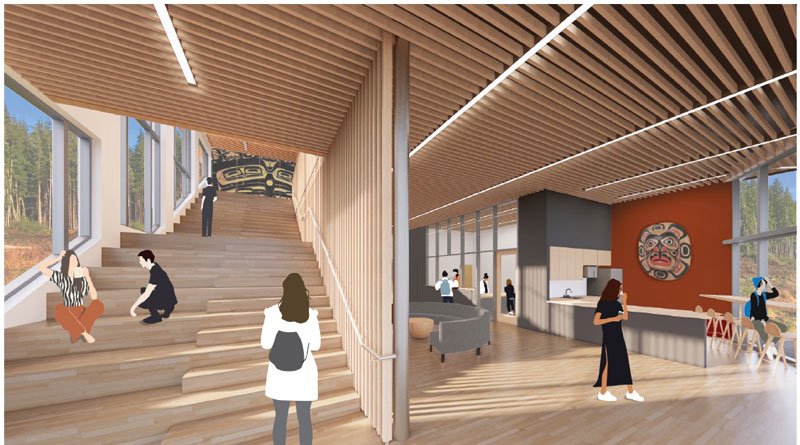
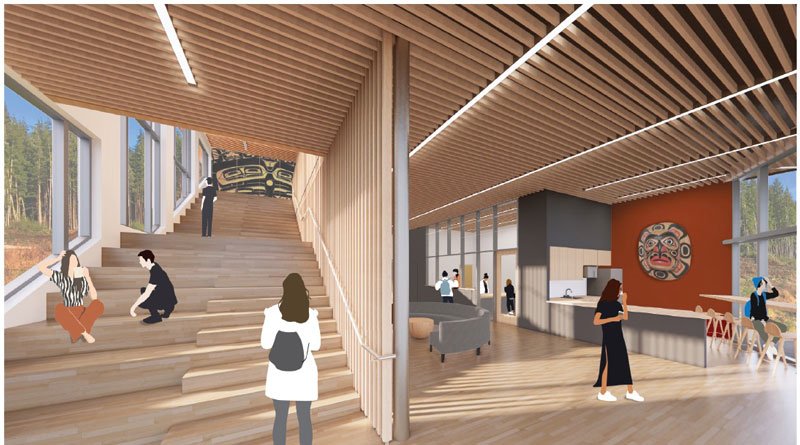
In its place comes a very different healthcare experience in which architecture plays a significant role, by interpreting community needs and cultural values, while acknowledging the social sensibilities and stigma that may surround the act of accessing health services.

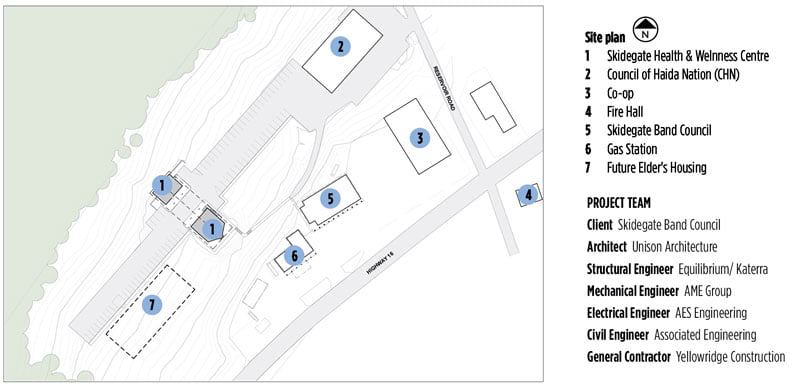
Under construction in the magnificent and expansive archipelago of Haida Gwaii (population 5,000) is the Skidegate Health and Wellness Centre, which not only creates a very different physical environment for healthcare services, but also an emotionally supportive one.

Skidegate itself has only 900 inhabitants, so privacy can be hard to come by and rarely does a visit anywhere (never mind to the doctor) go unnoticed. Young adults in particular are sensitive – and to some degree secretive – in this regard, preferring that their parents do not discover they may be struggling with substance addiction, or mental health challenges.

However, in Haida culture, where respect for Elders remains strong and the matriarchal structure of society places grandmothers, in particular, in a position of trust, influence and power – these same young adults are much more comfortable sharing personal information with them.

Equally important in its influence on the design, the Haida place enormous importance on their association with and proximity to the ocean, and favour buildings that offer a sense of openness and connection, rather than enclosure and confinement.

We have approached the design of the Skidegate Health and Wellness Centre with this physical and cultural context in mind. On the side of a hill overlooking the ocean, the building follows the slope rather than the contours running across it, enabling all public areas and frequently occupied private spaces to have a view of the water. The road to the Health and Wellness Centre extends a little further to another building – an Elders housing complex.

SUBSCRIBE TO THE DIGITAL OR PRINT ISSUE OF SABMAGAZINE FOR THE FULL VERSION OF THIS ARTICLE.

Green Gables Visitor Centre

Phase II expansion respects tradition in pursuing LEED Gold

By Kendall Taylor

The Green Gables Visitors Centre is situated on 16 acres of rural land in Cavendish, Prince Edward Island that was the setting for the highly successful 1908 novel ‘Anne of Green Gables’ by Lucy Maud Montgomery. The property includes several locations familiar to readers: the main Green Gables house, the Haunted Wood trail and Lovers Lane. The property was acquired by Parks Canada in the 1930s and has become an extremely popular tourist destination for PEI.

A 2015 survey determined that the existing facilities were in need of renovation and expansion to accommodate a growing number of visitors from Canada and around the world. Parks Canada reacted by creating an extensive program which would be constructed in three distinct phases. Phase I was completed in the spring of 2017. Phase II, consisting of the Lucy Maud Montgomery Exhibition space, a main lobby atrium, a gift shop, and public washrooms, was completed in the spring of 2019.  Phase III was to decommission the temporary gift shop in Phase I and transform it into a new cafe and commercial kitchen.

The Visitors Centre acts as the main arrival point, connecting the property through a circulation axis that also frames views to the original farmhouse. A campus approach has been taken to help distribute visitors (who may number as many as 1100 at a time) across the site. Parking has been reorganized to separate bus, RV and car traffic from those who arrive by bicycle or on foot.

Parks Canada wanted a structure that would be respectful of the historic house and the vernacular buildings of the region, yet provide highly functional modern visitor facilities. Heritage restrictions apply to the Green Gables House and courtyard, but in the areas where the Visitor Centre is located are much more relaxed.  This offered the opportunity to reinterpret the wood building tradition of PEI in a contemporary way.

SUBSCRIBE TO THE DIGITAL OR PRINT ISSUE OF SABMAGAZINE FOR THE FULL VERSION OF THIS ARTICLE.

Viewpoint: Building Back Better

By Steven Paynter

A matter of weeks ago, Justin Trudeau made his Speech from the Throne to open the second session of Canada’s 43rd parliament. In a modern era unlike any other, as the second wave of COVID-19 begins to grip the nation and we eagerly await further economic stimulus, the Prime Minister vowed that Canada would emerge on the other side of the pandemic and “Build Back Better”.

While normally, these speeches have little impact on the design profession, this year was different. Having not had the time to watch it live, I have to admit that the first story I read was about how angry Alberta Premier Jason Kenney was. “Not a single word in the speech discussed the oil industry,” he raged, insisting that it was full of “kooky” objectives! Suddenly, I was interested.

So, what were these “kooky” plans? The main plank of the “build back better recovery” involves a huge injection of cash and loans for sustainable infrastructure projects such as green transit and clean energy, but the one that really piqued my interest, and I’m sure caught the attention of many others in the design professions, was the confirmation of $2 billion from the  Infrastructure Bank of Canada to pay for  sustainable upgrades to existing buildings.

At first, this sounded like an amazing opportunity to finally get some projects moving, as the funding could easily unlock repositioning deals for those projects that just didn’t quite make economic sense to transform in the wake of COVID-19.

After a couple of days of reflecting on it, and after many discussions with our clients, I started to feel disappointed by the idea. It looks like the majority of this money will disappear into mechanical rooms over the next five years, and while we may feel the benefit eventually, it will be, at best, existential for most people.

It turns out $2 billion is spread across the country. It’s just a little over $10 million per city in Canada, with maybe each town seeing upgrades to a few minor projects1. This also translates to roughly $3,500 of projected fee per registered architect meaning it’ll have almost no impact on the industry.

How will this stimulus translate into creating a more sustainable built environment? Maybe the money truly will go into mechanical upgrades, or maybe we’ll see the occasional facade upgrade if we’re lucky. But it doesn’t have to be that way.

What if the money, which I know is enough to tip some projects over the line and into construction, was tied to a bigger, even more sustainable cause? What if we incorporated that funding not only to the performance of the building, but also to its wider socio-economic impact? What if we tied it to creating better neighbourhoods, and design something that could truly be a catalyst for wider change.

It’s a simple idea. If developers want part of the $2 billion pot, then they have to invest double that into other building upgrades that serve the local population. It’s a win/win because there are literally hundreds of landlords and developers out there itching to do this. I’ve spoken to many of them over the course of writing this, and they all agreed that taking the cash sink that is MEP upgrades off their plate would definitely help get things moving.

What would this mean in practice? Well it could mean that a struggling local mall becomes a new beacon for sustainable repositioning with physical changes that improve the quality of the experience there. This is important because we need those obvious changes, we need things to be clear to us, so they can become inspirational and drive change.

Mechanical room upgrades aren’t going to inspire someone to change their behaviour but adding a new use to a failing piece of real estate can.

Converting empty office space for  residential use, refitting suffering retail to be more walkable, or updating lacklustre ground floors to be more engaging and public-facing spaces – all of this will help create all important walkable cities, reduce commutes and get people more engaged with their communities.

We know that these interventions are the ones that will have the biggest impact on mitigating the effects of climate change. If we can encourage people to be inspired to shop locally, walk to work, create more diverse neighbourhoods, get cars off the streets, and design something that is bigger than the narrowly focused  propositions of simply transforming mechanical systems, we can make a visible and lasting change that will create a positive impact on our cities and the planet alike.

Nor do I believe this point of view is simply theoretical. In a recent study of GDP for several cities, we noticed a clear correlation between cities like Detroit after the 2008 recession and cities like Calgary now.

After taking a massive economic hit, Detroit is starting to thrive once again. With a revival of the downtown core led by repositioning, it is  now attracting major investment from the likes of Bedrock and Related. They are creating a walkable downtown with great transit, including streetcars, and amazing mixed-use districts.

But Detroit had to bottom out, going bankrupt as a city in 2013, before it started to see new investment. Now is the chance for our Canadian cities to invest and avoid that ignominious fate!

As an example, according to Avison Young, Calgary is facing a 26% vacancy rate in its corporate workplace sector with nearly a dozen downtown buildings sitting almost completely empty. For comparison, Colliers shows that Detroit only hit 17.6% in 2013. It’s clear that now is the time to use this Federal investment to jump straight to the recovery phase in our downtown districts.  We know what the recovery looks like in terms of communities and real estate, so let’s go straight there, before it gets worse and we see the industrial pollution that became ubiquitous with Detroit.

Of course, this means more work for architects, but more importantly it will mean better cities. This is the real chance to “Build Back Better”. As much as I know one article won’t change government policy, I hope it will change the minds of a few designers, engineers or landlords. 

I for one, have already been encouraging clients to apply for this funding to kick start a project, not expecting it to be a project unto itself –  and it is working.

The “determined optimism” that Gensler Chairman Joe Brancato has spoken of, is making people think bigger, and hopefully that will allow us to look back to the pandemic from the future, maybe in a net zero 2050, and say that this year really was a turning point.

Maybe we will be able to walk our communities and say, “that building was repositioned in 2021 and it really changed our city”. Because if we don’t focus on this, then we will regret it. All we will have is some fancy new equipment in our mechanical rooms and, yes, we’ll have taken a small step towards tackling climate change, but we won’t take the leap we need.

Steven Paynter, OAA, ARB, is a Principal with Gensler Toronto.

SUBSCRIBE TO THE DIGITAL OR PRINT ISSUE OF SABMAGAZINE FOR THE FULL VERSION OF THIS ARTICLE.

Sponsored content: Ontario Association of Architects Headquarters retrofit

Inline Fiberglass elevates envelope performance

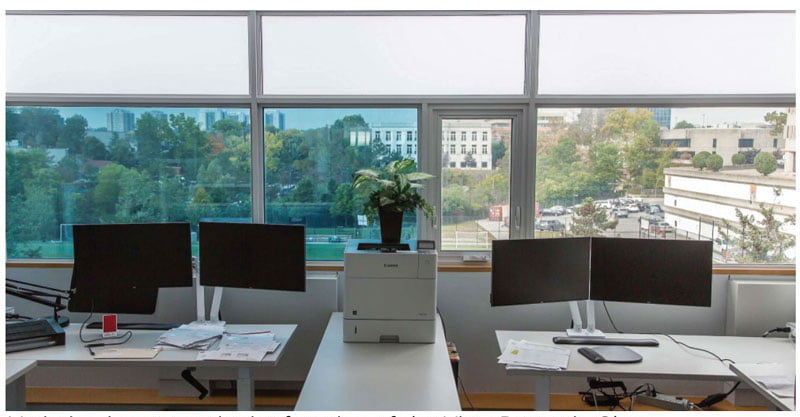
Dubbed “Wings Over Don Mills” when it opened in 1992 for its Toronto neighbourhood location and for its uplifted winged roof framing, the three-storey, 21,400-square-foot Ontario Association of Architects (OAA) Headquarters was deemed in need of a retrofit.

The goal was to refresh the interior and improve energy performance – in fact, to meet the 2030 Challenge which is intended to reduce greenhouse gas emissions in new buildings, developments and major renovations. As a result of the retrofit, the OAA Headquarters has moved to electrical power and is targetting a remarkable 85% energy use reduction to an impressive 55 kwh/m2/year.

The envelope upgrade included additional insulation, curtainwall retrofits, and new fiberglass frame, triple-glazed windows by Inline Fiberglass. Fiberglass frames combine strength with very low levels of conductivity, and have the lowest embodied energy when compared to other common window frame materials. They also resist corrosion for long life expectancy. Our Series 3000 windows are Passive House International certified.

Inline’s products can be treated with specialized resins that have been tested and are in compliance with CAN/ULC S134 test protocol allowing them to be used in non-combustible applications when approved by building inspectors, as in the case of the OAA project.

According to David Fujiwara, the architect of the retrofit, “Fiberglass frames were considered for the OAA office windows because of their thermal effectiveness, ability to carry a triple-glazed unit, slim profile and strength. They met all the requirements of the building code and of the project.

The replacement windows needed to fit within the existing frame opening available, so removal of old thermally unbroken aluminum frame windows, site measuring and installation of the new frames for an airtight fit was an essential part of the work. Coordination was also needed with the electrochromic glazing supplier View Smart Glass. The final touch was the addition of 3M light redirecting film to the upper transom strip of window.”

SUBSCRIBE TO THE DIGITAL OR PRINT ISSUE OF SABMAGAZINE FOR THE FULL VERSION OF THIS ARTICLE.

City of Calgary achieves sustainability and performance objectives with LEED

By Mark Hutchinson, Vice President, Green Building Programs, Canada Green Building Council

As the first municipality in Canada to adopt a Sustainable Building Policy (SBP), The City of Calgary is a leader in promoting green building. The City’s SBP has resulted in over 60 LEED-certified projects, including Canada’s first two LEED v4 Building Design and Construction (BD+C) certifications.

With a strong commitment to achieving building performance objectives, The City has leveraged LEED v4 to better focus on the integrative design process and optimizing energy performance to help meet its sustainability goals.

Sustainability in step with LEED

Officially approved by City Council in 2004, The City of Calgary’s SBP originally specified LEED certification for buildings owned or funded by The City. In 2019, Calgary City Council approved a policy update that required project teams to meet specific minimum sustainability performance requirements, many of which align with and are supported by LEED v4. These new requirements include: • A minimum 40 per cent energy and energy cost improvement over a National Energy Code for Buildings (NECB) 2011 baseline building; • Enhanced commissioning on energy and building envelope systems;

• Mandating the use of low-impact refrigerants (if used) that comply with LEED v4 requirements; • A minimum 35 per cent indoor water use reduction compared to the baseline consumption as defined by LEED;

• Achieving stormwater management requirements as defined by LEED v4; and • Minimum requirements to provide rough-in infrastructure for future solar photovoltaic (PV) and electric vehicle charging stations (if not already included in the design). While certification objectives are now established on a project-specific basis, LEED remains The City’s green building certification program of choice.

“In our opinion, LEED is still the most well-rounded green building certification program that most directly aligns with the City of Calgary’s Sustainable Building Policy,” says Tyler Young, a sustainable infrastructure engineer with The City.

Putting energy and atmosphere first

In 2018, Calgary City Council approved a Climate Resilience Strategy, aimed at preparing for and minimizing the impacts of a changing climate. 

The strategy targets an 80 per cent reduction in citywide greenhouse gas (GHG) emissions below 2005 levels by 2050. To help achieve this goal, The City of Calgary requires minimum energy consumption and energy cost improvements above an NECB 2011 baseline building for their projects.

LEED’s Energy and Atmosphere credit category provides a framework to help The City achieve this goal. The City of Calgary utilized this credit category on its first three LEED v4 certified projects: The City of Calgary Organics Waste Diversion Facility – Administration & Education (A&E) Building, Stoney Transit Compressed Natural Gas (CNG) Bus Storage Facility, and City of Calgary Manchester Building M.

Taking the guesswork out of the design process

LEED v4’s integrative design process requirement is a key component in ensuring The City of Calgary’s sustainability objectives are reflected in each stage of a project’s design.

City projects benefit from having all team members at the table. Early on, they set the expectation for clear communication, especially around performance targets such as energy efficiency, water use or sustainable material usage. This approach allows consultant teams to better understand the project’s priorities and focus credits. It also helps generate more ideas and avoids unnecessary back-and-forth discussions.

“By clearly establishing the specific objectives we want to achieve early on and then using the LEED rating system as a tool to ensure we achieve these objectives, we’ve removed a lot of guesswork for our consulting teams as to how they should achieve our LEED certification targets,” says Young.

The municipality has since introduced a model that onboards the building performance optimization consulting team early in the process in many of their projects. This team consists of a green building consultant, energy modeller and commissioning authority and reports directly to The City, further improving communication.

Achieving more with LEED v4.1

As The City of Calgary works to improve the sustainability and performance of its building projects, the municipality has been able to leverage recent updates introduced in LEED v4.1 to validate its efforts. Young notes that for upcoming projects, The City is aiming for LEED v4 certification using LEED v4.1 new alternative compliance paths that make certain credit requirements more applicable and achievable, citing stormwater management as an example.

With the increased flexibility offered by LEED v4.1, The City of Calgary foresees it will continue to pursue LEED v4 and LEED v4.1 for most of the larger City-owned or City-funded projects. As The City of Calgary’s approach to sustainable building evolves, LEED certification remains an important tool in achieving The City’s performance objectives. “LEED continues to be the most holistic rating system, and because of this, continues to be the green building rating system of choice,” adds Young. To see more LEED case studies, visit cagbc.org/casestudies.

Viewpoint: Net Zero energy needs to be the norm

Anyone trained in design can do it

By Albert Bicol

As teenage environmental advocate Greta Thunberg has argued repeatedly, we already know what we have to do and how we have to do it. There is no more time for prevarication, postponement or the smoke and mirrors of political expediency. For the general public, climate change is no longer an abstract and remote concept, nor even a topic still open for debate: It is happening all around us in real time.  

A succession of scientific reports and communiques with increasingly dire predictions and urgent calls to action, have provoked a positive reaction from both public and private sectors. Many municipalities across the world have passed non-partisan resolutions declaring a climate change emergency, while more and more companies have committed to net-zero operations on ambitious timelines. Exactly how these lofty commitments will translate into action, in most cases, remains to be seen.  

Moreover, few of them are building owners and developers and, when one considers the huge carbon impact of the construction industry worldwide, we cannot afford to wait. I do not believe we can rely on owners and developers, politicians and city officials – nor the general public to stop – or even slow down climate change in the building industry. Professionals such as architects and engineers must step up and become active agents in transforming the current norms in building design.  

Architects and engineers understand as well as anybody what is required to stop climate change, and most recognize the roles they can play to accelerate the process, yet too many are content to toe the line of minimally meeting the locally mandated energy code standards, as directed by their clients.  

At this moment in time, one might well ask why the architectural and engineering professions do not conduct themselves more like their peers in the medical professions. The Coronavirus that is now killing thousands of people and impacting economies around the world, has rightly been addressed with  unprecedented urgency and immediacy. This  response  is far beyond anything the design and construction industry has achieved – or even imagined in response to the long-running global catastrophe we refer to as climate change. 

In every country, the medical profession is advising the public what they need to do to protect themselves and curb the spread of this virus. Yet climate change, which we know is killing far many more people, threatening or causing the extinction of animal species, disrupting weather patterns, polluting land and water and causing severe economic distress for many countries has provoked no such reaction from the design professions. 

We are the creators and stewards of the built environment and we need to do much more. As mechanical engineering consultants, our firm designs every project to Net Zero standard, including complex energy modelling, at the regular fee for a traditional building. Our aim is to demonstrate to clients that virtually any building can be designed down to net zero, with no overall fee cost premium.  If the client chooses not to accept the net zero solution, we will redesign the building to be code compliant in terms of energy use, at no additional cost.  We consider this to be a risk worth taking because the stakes for not doing the right thing are too high. 

While Net Zero and Carbon Neutral buildings are beginning to appear in Canada and in other countries around the world, progress remains slow. We believe every engineer and every architect should take up the challenge now. 

Designing net-zero and carbon neutral buildings is neither challenging nor complex. The primary goal in NZE building design is to reduce energy consumption or energy use intensity (EUI) to the point that the relatively small amount of input energy required can be provided from renewable sources. The typical target for EUI is about 100 kWh/m2 per year or less.  The lower the EUI the better, as lower energy demand requires less investment in renewables.  Some of our projects are achieving as low as 20 kWh/m2 per year, requirements that are now being reflected in the BC Step Code and Vancouver Green Building Policy.  

Among the features common to both net zero and carbon neutral buildings are:

• An integrated design process, to ensure that synergies between disciplines can be identified early in the project and the advantages they offer in energy savings can be capitalized upon.

• A focus on passive design, including optimal solar orientation, a highly insulated and airtight building envelope and natural ventilation.

• Local heat sources and on-site energy generation. 

Anyone trained in design can do it. The biggest challenge and most important step in NZE design is reducing energy demand and that all begins with the passive design. Depending on the climate, if the passive architecture of the building can be optimized, air conditioning can be eliminated and that elimination goes a long way in achieving the energy reduction goals.

The most successful projects are the ones that carefully analyze the opportunities offered by the natural environment and are ‘reverse engineered.’ Too many designers are still trying to find the latest building technologies such as air conditioning, heating, etc. It is becoming harder and harder to find the incremental efficiencies in these high-tech systems and they invariably come with a high capital cost. By reducing the overall energy demand, we can go back to much more basic systems, such as heat recovery ventilators and electric baseboard heaters. These systems have a lower capital cost, lower maintenance and more reliable performance.

NZE buildings are also more resilient in the face of climate change, being no longer dependent on centralized energy infrastructure, and better able to maintain internal temperatures over long periods should energy systems fail altogether. Since passive design concepts have been proven over centuries, if not millennia, these buildings are essentially futureproof.

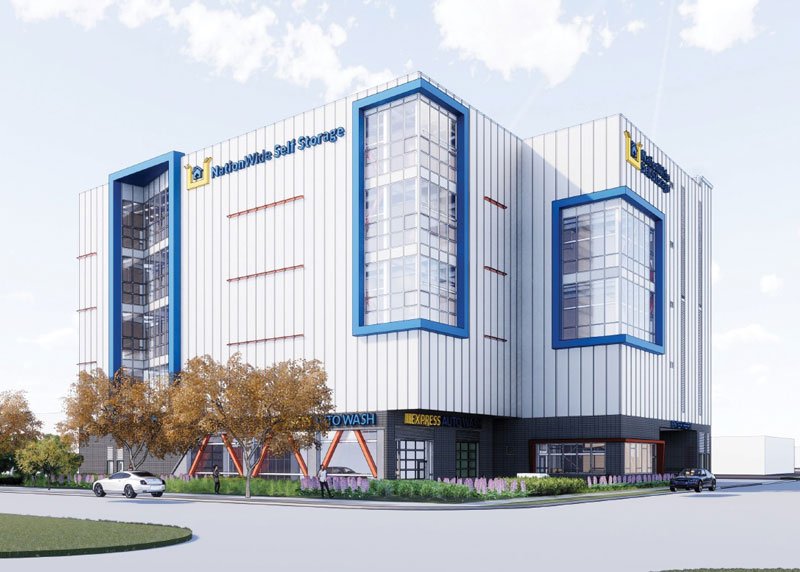
The passive design approach can be applied to all kinds of buildings, with our current portfolio ranging from a small storage facility in Vancouver to the multi-billion dollar expansion of Trudeau Airport in Montreal. Whatever the project, we consider our responsibility to be both a professional and a personal one: I have a 10-year old daughter whose future wellbeing further increases the commitment and resolve I feel as a professional engineer.

As design professionals, we are all involved in building the future. If we make a personal commitment to ensure that future is the best it can be, then we may at last achieve the climate change goals we have set for ourselves. 

Albert Bicol, P.Eng. is Principal of AB Consulting in Vancouver.

Design practice: Buildings as a Climate Change Solution

By Chris Magwood 

The focus of green building has long been on reducing impacts… doing “less bad” to the planet and ourselves by shrinking our ecosystem, chemical and climate footprints through conscious design and material selection. But when it comes to our current climate crisis, doing less bad is simply not going to be good enough. The climate science is clear: we collectively need to get to net zero emissions as soon as possible AND remove carbon from the atmosphere in order to meet the targets in the Paris Accord1. The building industry is now tasked with doing “more good” by reducing net emissions to zero and actively contributing to carbon drawdown. 

Fortunately, there is a clear roadmap for the building sector to move from being a leading cause of climate change to becoming a key part of the solution. Unlike many sectors, climate change does not force builders to face an existential crisis because it is possible for buildings to become a climate positive industry.

The starting place on the roadmap is for all designers and builders to understand the nature of the issue. Collectively, we’ve done excellent work to address the operational emissions from buildings and have helped move the bar on better codes and created a proliferation of voluntary systems to achieve near zero emissions from high performing new buildings and renovations.

But operational emissions are only part of the problem. A building that achieves zero emissions during its operation is an important step. The other half of the problem now needs to be addressed: material-related emissions.

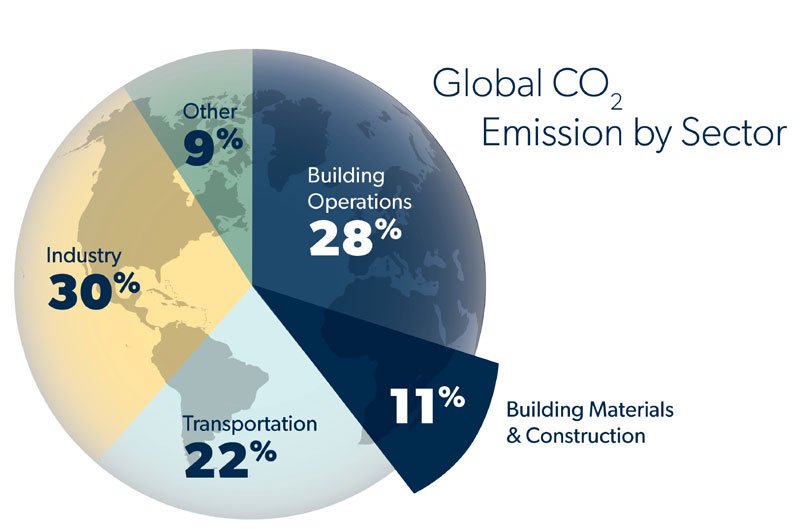
By recent estimates, the production of building materials accounts for approximately 21% of all emissions globally. We cannot adequately address climate change through operational improvements alone; we cannot “net zero” our way out of this. The “embodied carbon” side of the equation needs equivalent focus and action. We need to take responsibility for all the emissions we cause through harvesting, manufacturing, transporting and installing building materials because of the sheer scale of these emissions.

Tackling these “material emissions” may be easier than you think. The data and tools available to make carbon-smart materials choices is growing rapidly and the evidence of the emission reductions that can be achieved is encouraging.

In a study I completed in 2019, a small (930 m2) multi-unit residential building was modelled with a range of different materials that are all comparable in terms of code compliance, cost and practicality. Material selection was found to have a remarkably broad range of potential results (See graphic top of page 59).

The model with the worst results was responsible for over 240 kg of emissions per square metre of floor area. There is no way that climate change is going to be adequately addressed if new buildings are adding emissions to the atmosphere at that rate.

Some simple material swapping reduced this carbon footprint by over 60%, getting it down to 90 kgCO2e/m2. This is an excellent example of our ability to do “less bad,” and to do so with minimal effort and no undue cost or scheduling issues.

But we can do better. A model for doing “more good” also emerged from the study. It resulted in no net emissions from its materials, but instead recorded a small amount of net carbon storage. At the end of construction of this building, there would be less CO2 in the atmosphere than before it was built. 

How is it possible for a building to have net carbon storage? To get to the answer, we need to understand a bit about the global carbon cycle. Every year, the earth’s plants draw down billions of tonnes of CO2  from the atmosphere and through photosynthesis absorb carbon and release oxygen. In a natural cycle, the carbon thus stored in plants is released back to the atmosphere when the plants die and decompose or burn. (See graphic next page.)

Builders can interrupt this carbon cycle by taking carbon-rich plant material and locking it up in buildings, preventing its return to the atmosphere for the lifespan of the building. We have been doing this unintentionally for millennia, incorporating wood and other biofibers into buildings. Conventional building practices include a range of widely available and affordable plant-fiber materials, including products like cellulose insulation, wood fiberboard and many kinds of timber products. By combining these carbon-storing materials with other low-emission materials, results like the 11 kg/m2 of net stored CO2  from the MURB study are entirely feasible with no disruption to the design process, supply chain or construction methodologies. 

The use of biogenic materials in buildings can be increased and our carbon positive impact on the climate further improved. There are biogenic material options for every part of a building’s enclosure and finishes. By intentionally choosing appropriate biogenic materials, the amount of net carbon can be amplified so that buildings can actually become a measurable carbon sink on the planet.

The final model in the study (graphic top right) used this approach and was able to offer over 130 kg of net CO2  storage per square metre. None of the materials used in this model are unattainable and all can (and have) met Canadian building code requirements, but many of these are unconventional materials and not currently available through typical supply chains. There is work to be done to make this kind of change, but the result would be a construction industry that actually helps the climate to heal. 

Chris Magwood is  a director at The Endeavour Centre in Peterborough, ON,  which offers two full-time, certificate programs: Sustainable New Construction and Sustainable Renovations and hosts many hands-on workshops annually.

SUBSCRIBE TO THE DIGITAL OR PRINT ISSUE OF SABMAGAZINE FOR THE FULL VERSION OF THIS ARTICLE.


Aurora Coast Cannabis Innovation Centre

Well being, energy and water conservation top the list at research station


By Heidi Nesbitt

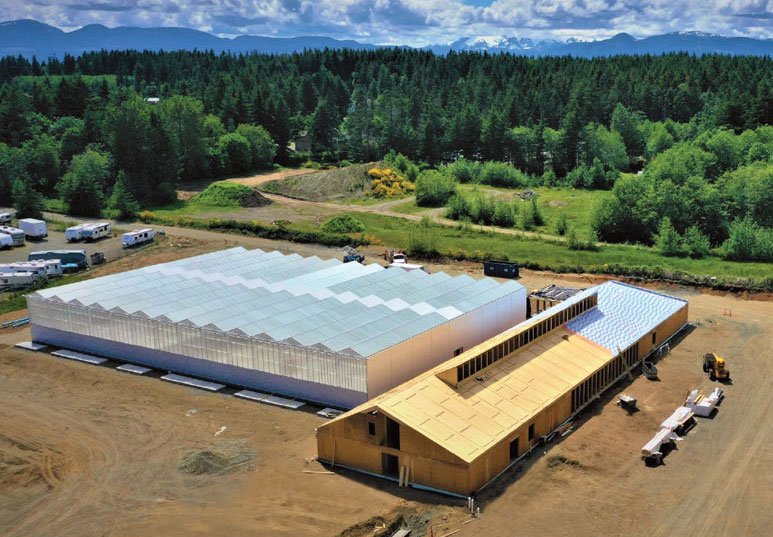
Aurora Coast is a new cannabis research centre located in the Comox Valley on Vancouver Island. This unique facility provides a supportive and nurturing workplace for Aurora’s scientists to expand their genetics and breeding research, with the goal of realizing the full human benefit of the cannabis plant. 

Context 

The project aims to transform public perception of a previously illegal, underground industry, by housing it in a facility that fosters creativity and innovation. The first phase of the project consists of a mass timber building containing offices, labs, meeting rooms and support spaces for the adjacent greenhouse. A transparent network of collaborative workplace hubs was designed to encourage informal interaction and enhance the creative potential of the research team. 

As a project centred around plant health and vitality, every aspect of the building and site is designed to connect occupants to nature and to support health and well-being: an exposed, mass-timber structure was chosen for its low environmental footprint, and to provide a biophilic backdrop to what might otherwise have been a sterile laboratory environment; clerestorey windows bring natural daylight deep within the high-security, restricted-access areas; and views are provided to the restored pollinator habitat and orchard that surrounds the building. 

Cannabis facilities face unique challenges, including security, odour control and public stigma. To help gain the support of the local community, a large, environmentally degraded, industrial site at a prominent intersection was rejuvenated by providing extensive, on-site stormwater management, and by restoring the ecological integrity of several hectares of land. The larger environmental challenge was to provide cannabis plants with the steady warmth, light and water they need to thrive without creating additional strain on local resources. 

Heidi Nesbitt, Architect AIBC CP MRAIC LEED AP  ENV SP, is an associate with Local Practice architecture + Design in Vancouver.

PROJECT CREDITS

  • Owner/Developer  Aurora Cannabis
  • Architect  Local Practice Architecture + Design
  • Interiors  Albright Design
  • General Contractor  Heatherbrae Builders
  • Landscape Architect  Lanarc
  • Civil Engineer  McElhanney Consulting Services Ltd.
  • Electrical/Mechanical/Structural Engineers  Associated Engineering (B.C.) Ltd.
  • Envelope Consultant RDH
  • Passive House Consultant  Tandem Architecture Écologique
  • Greenhouse Consultant  ALPS

PROJECT PERFORMANCE

  • Energy intensity (building) = 162 KWhr/m²/year
  • Water consumption from municipal sources = 8135 litres/occupant/year
  • Reduction in water consumption relative to reference building = 5 %
  •  
  • SUBSCRIBE TO THE DIGITAL OR PRINT ISSUE OF SABMAGAZINE FOR THE FULL VERSION OF THIS ARTICLE.

  •  

Passive House Article: Transformation

By Chris Ballard, CEO of Passive House Canada

Passive House Canada was created with a simple premise: to change how Canada builds and retrofits its buildings for thermal comfort, health, resiliency and low energy.

And it’s happening.

We are changing the marketplace through education and advocacy, by running local and national events, and by providing excellent member services. Our founding members recognized that market transformation would only be achieved if there was fundamental government policy and regulatory reform.  They understood it could only be achieved if quality education courses were developed, national and international networks created and members were supported in their communities.

When the founding members first met in 2013, such transformation was a distant dream, but the world has been quickly waking up to the reality of climate change, the need for better buildings and bringing public policy in line with our mission. Today our fundamental mission is still to make high-performance Passive House buildings the norm through the advancement of public policy and an effective regulatory framework which will improve building codes and standards across the country.

We’ve seen rapid adoption of the Passive House Standard, not only among industry professionals wanting to build better for clients, but from government of all levels recognizing the important role that high performance buildings have in reducing energy consumption and greenhouse gas (GHG) emissions.

The successes that we have experienced are directly attributable to the dedication of industry professionals and elected officials who are passionate about sustainability. Their momentum and drive have given us the privilege of assisting all levels of government in building policy development; of supporting the growth of a national membership of over 1,200 members (in eight provinces and two territories); and of delivering hundreds of training courses to over 5,000 registrations across Canada. Over 10,000 people subscribe to our newsletter and bulletins, and scores more learn about Passive House building standards through our social media platforms.

Transforming how Canadians build buildings is not easy. In the face of the work ahead, it is important to stop and celebrate why so many of us are invested in this process. While the initial driver is, of course, environmental, and the common goal is to mitigate climate change, this alone does not catalyze market transformation, represent the motivation of everyone involved, or simplify the process of managing change. 

For many, the primary motivation is a desire to have better buildings. The unparalleled comfort, health, durability, resilience, and affordability of buildings offering Passive House levels of performance are reasons enough to make the choice. 

Affordable housing advocates may focus on the reduced costs of ownership, operation, and utility cost to tenants. Homeowners may dwell on the comfort. But what we all have in common is the desire to change how we live, work and recreate in our spaces.

Some professionals, developers, and trades are attracted by the quality of work such buildings entail and enjoy the pride of workmanship. Others know high-performance building regulations are coming soon and are looking for a competitive advantage and a market differentiator. 

Regardless of the reason for your interest in buildings delivering this level of performance, we are pleased to have you join us in achieving our mission. 

We are at a pivotal time in the development of regulations concerning its buildings, making it crucial to understand the challenges. 

The advancement of public policy and an effective regulatory framework has been at the core of Passive House Canada’s mission since inception. Canada is making progress on climate change in the building industry charting a pathway to net zero building codes by 2030, but there is still so much more to be done. 

We know our role will change and likely diminish as building codes and standards approach Passive House performance levels, and we can’t think of a better reason to become redundant.

Taking a mission-first approach enables us to make more rapid progress, facilitating collaboration with industry and consumers in addition to government. We can best achieve our mission by collaborating with aligned groups and individuals, and we invite you to do the same. 

In the end, it does not matter to us why people want better buildings — we simply wish to see them become the norm.

  • SUBSCRIBE TO THE DIGITAL OR PRINT ISSUE OF SABMAGAZINE FOR THE FULL VERSION OF THIS ARTICLE.