Dedicated to sustainable,
high performance building

Giant Steps autism centre


A giant step for autism
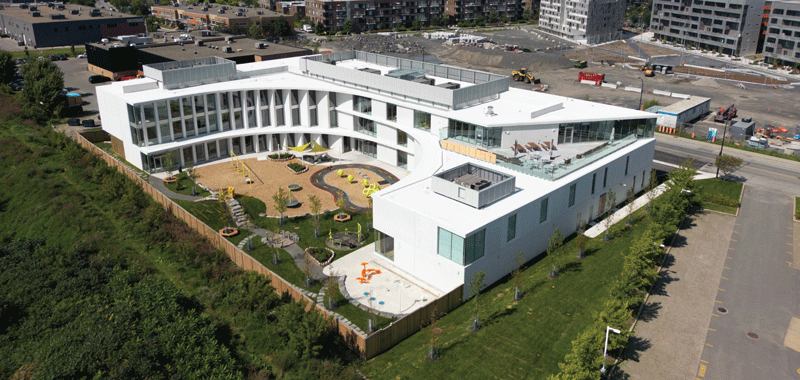
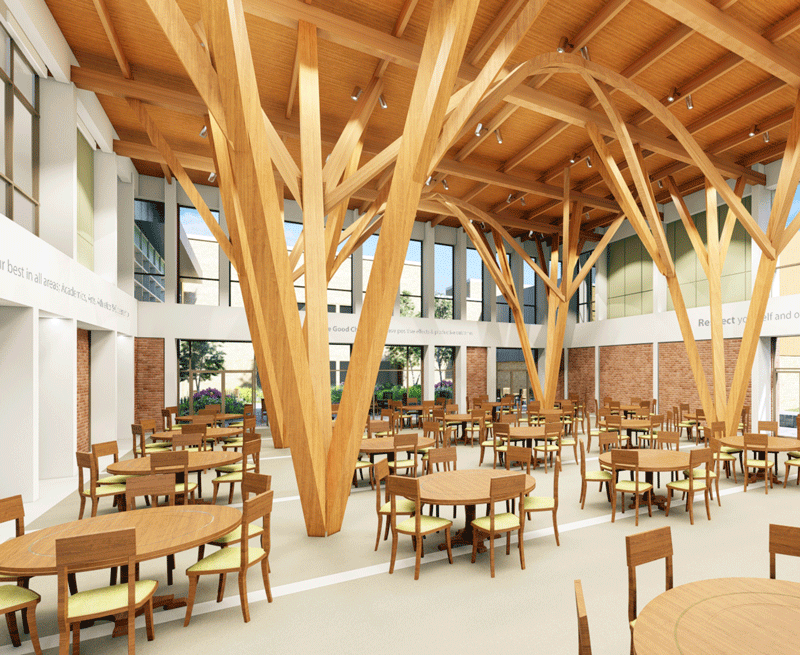
A thorough, highly individualized interdisciplinary approach led to the design of Giant Steps Autism Centre, a cutting-edge facility aiming to transform the way autism services are deployed worldwide. Tailor-made for individuals on the spectrum, this project constitutes a perfect example of the use of architecture as a malleable work tool. More than just a school, Giant Steps is a place of solace – a safe space for the entire community.

For the past 40 years, Giant Steps Autism Centre has asserted its leadership in the provision of services supporting the education and success of people with ASD. As the number of individuals and families affected by autism steadily grows, there was an urgency to develop new ways to respond to their needs. The Centre represents a centralized hub based on four separate but integrated pillars: education, adult services, community outreach, and research.

Giant Steps Autism Centre finds its home in the Technopôle Angus, an avant-garde eco-district guided by principles of innovative sustainable development. With a design informed by the many perceptual differences and sensory challenges often facing people with autism, the Centre integrates the values of its new environment with style, placing innovation at the heart of its achievements.

The architecture is expressed as a concave curve creation that opens into an inner shielded courtyard and closes at the site’s rear embankment. Individuals on the autism spectrum experience both perceptual differences and difficulty processing sensory information.

Any of the senses may be over- or under-sensitive, or both, at different times. Since a child’s development – autonomy, socialization, creativity, and learning – is optimized through sensory stimulation, the building serves as a tool to introduce stimuli at every opportunity.

Vertically, the structure is defined by multiple storeys deployed in step-like fashion, serving to open up the courtyard space. The entrance leads directly to the school’s core, creating a visual link with the courtyard focal point. Lining the building’s massing is a corridor, constituting a shifting space revealing different opening and closing areas. Developed in close collaboration with occupational therapists, the schoolyard is designed to introduce children to many different stimuli.

Project Credits

  • Client  Giant Steps Autism Centre
  • Architect  Provencher_Roy 
  • Project manager  Gestion Proaxis
  • Structural engineer  L2C Experts
  • Concrete Prefabricator  BPDL Inc.
  • Photos  2 and 6 Thibault Carron, 1, 3, 4 and 5 Adrien Williams

Emile Deschenes P. Eng. is Project Manager at BPDL Inc.

  • SUBSCRIBE TO THE DIGITAL OR PRINT ISSUE OF SABMAGAZINE FOR THE FULL VERSION OF THIS ARTICLE.
 

The drive to decarbonization


The Role of Prefabricated Precast Concrete

By Brian J. Hall and Val Sylaj

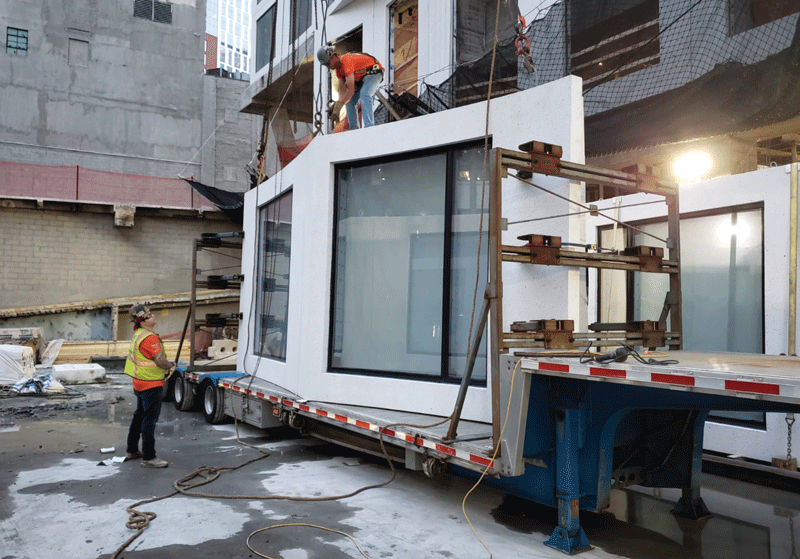
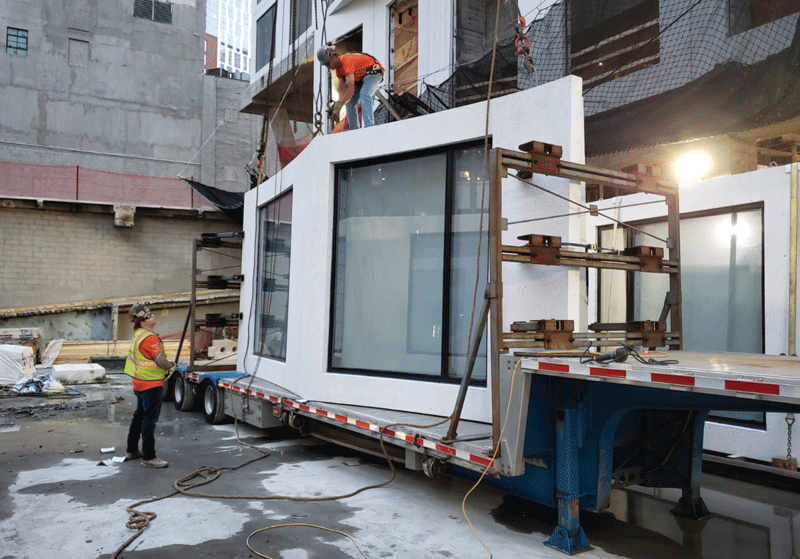
Prefabrication, an innovative production method, stands out with its unique features that have the potential to yield significant greenhouse gas (GHG) emission reductions while meeting current and future construction needs. The fundamental differences between factory prefabrication and conventional site construction offer a reduced carbon footprint, and so a promising path towards a more sustainable future.

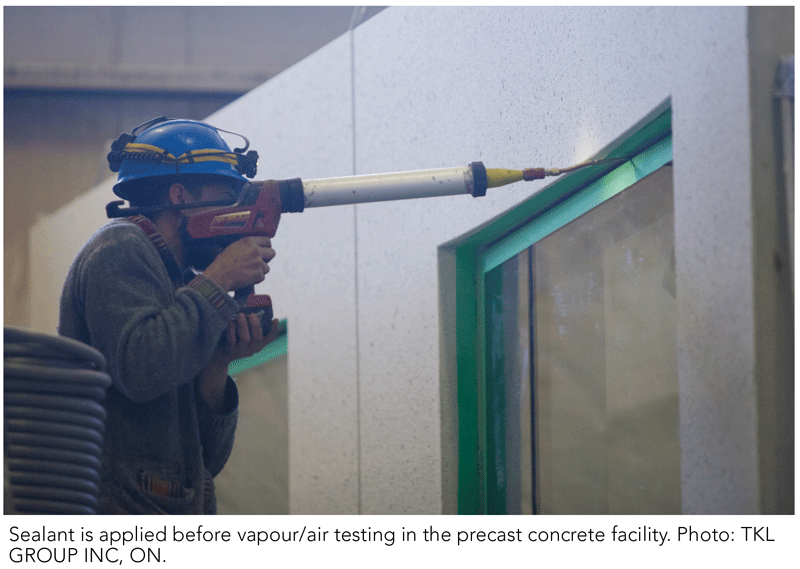
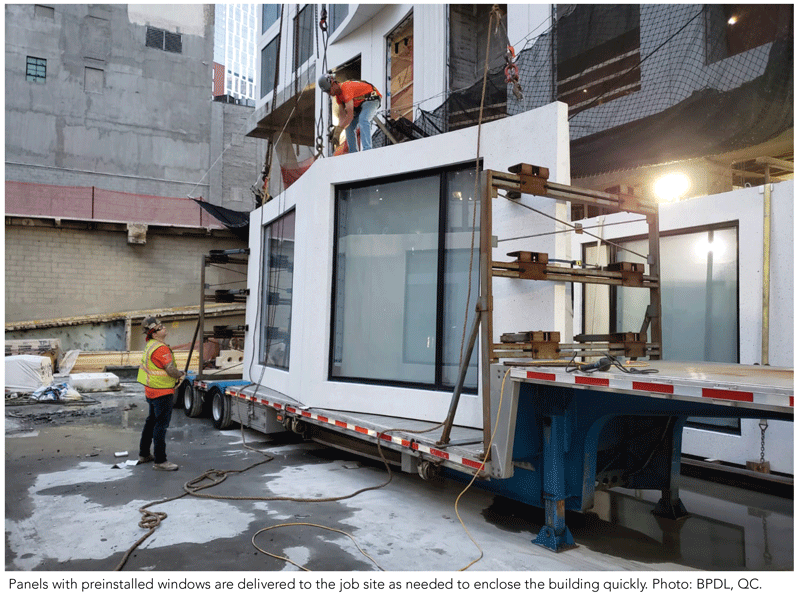
With traditional construction, the different building materials are delivered from production facilities to the site where the building is constructed from the ground up. In prefabricated construction, building components are fabricated at an off-site facility and installed at the construction site. Moreover, using prefabricated precast concrete products significantly reduces the waste and energy usage typically associated with construction.

This shift from the building assembly stage to the product manufacturing stage not only minimizes the environmental impact but also supports  a more sustainable approach to construction. The benefits of prefabrication are already being seen, and there is potential for further carbon reduction going forward 

Our Progress to Date

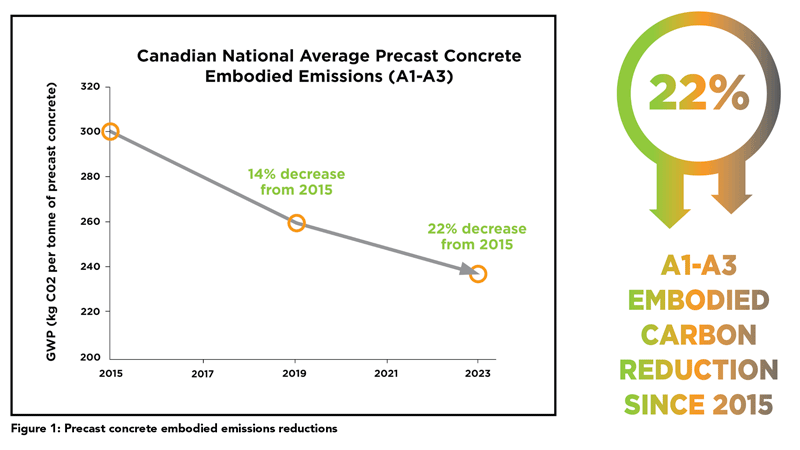
Since the publication of our first CPCI industry-average Environmental Product Declarations (EPDs) in 2015, the Canadian precast concrete industry has made significant strides, achieving a remarkable 22% reduction in our A1-A3 (Product Stage) embodied carbon (Figure 1). This reduction underscores our unwavering commitment to sustainability and the potential of prefabricated precast concrete to play a significant part in the decarbonization of the construction industry.

In 2015, ASTM published the first industry average Type III (EPD) for the Canadian precast concrete industry, a significant milestone within the wider construction industry. Since then, the Canadian precast concrete EPDs have been updated twice (in 2019 and 2023) reflecting the more comprehensive emissions data that is now available.

The latest EPDs from 2023 introduced a more detailed regional emissions breakdown than just a national average. Four product categories were reported: architectural precast products, insulated wall panels, structural precast products, and underground precast products.

However, the Architecture, Engineering and Construction (AEC) community must understand the limitations of EPDs and the differences between EPDs and whole life, whole-building life cycle assessment (wbLCA). Most people focus on just the Global Warming Potential (GWP) reported in the EPDs, but what does this number mean? Can you compare two different building materials’ EPDs and make your choice based solely on the lowest GWP?

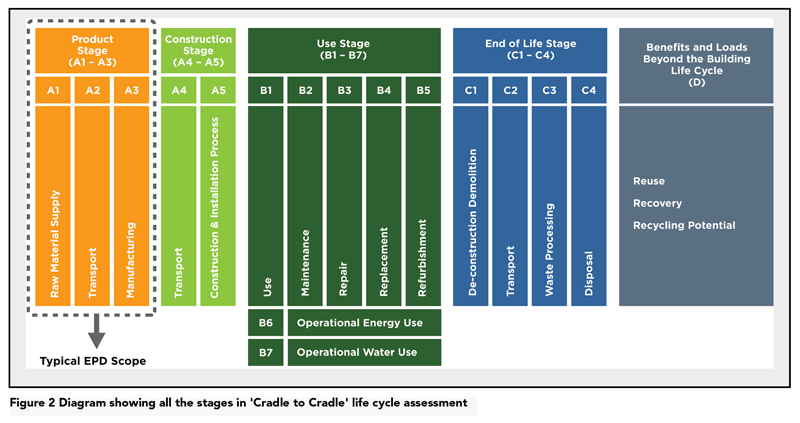
EPDs are intended to be used as reference input data for consultants conducting a wbLCA, which includes all the life cycle stages identified in European Standard EN 15804, the most popular global standard for producing EPDs for construction products.

For a full ‘Cradle to Cradle’ life cycle assessment, the stages are (Figure 2):

  • Modules A1-A3 Product Stage
  • Modules A4, A5 Construction Stage
  • Modules B1–B7 Use Stage
  • Modules C1–C4 End of Life Stage
  • Module D Net Benefits and Loads   

Brian J Hall, B. B. A., MBA, FCPCI, MRAIC. Managing Director, Canadian Precast/Prestressed Concrete Institute.

Val Sylaj, P.Eng., Ph.D.  President/Director of Technical Services, Canadian Precast/Prestressed Concrete Institute.

  • SUBSCRIBE TO THE DIGITAL OR PRINT ISSUE OF SABMAGAZINE FOR THE FULL VERSION OF THIS ARTICLE.
Canada’s strong upswing

Using Galvanized Steel as the optimal sustainable construction material

By Hellen Christodoulou

Canada has made a range of commitments to sustainability in the construction sector, focusing on reducing environmental impacts, promoting energy efficiency, and enhancing green building practices both domestically and globally. Domestically, these commitments include initiatives like the National Climate and Green Building Initiatives and Net-Zero Energy Ready Codes. Under the Pan-Canadian Framework on Clean Growth and Climate Change, Canada aims for all new buildings to be net-zero energy ready by 2030.

In line with this goal, the National Building Code now incorporates sustainability guidelines. Additionally, the Canada Green Building Strategy (CGBS) was launched to address the environmental footprint of the building sector. Programs like LEED Certification incentivize sustainable construction practices to further reduce the carbon footprint of buildings.

Globally, Canada has committed to reducing greenhouse gas emissions by 40-45% below 2005 levels by 2030, as part of the Paris Agreement. To achieve this, the construction sector has embraced stricter regulations, retrofits, and sustainable building practices. Canada is also an active member of the World Green Building Council (WGBC) and the Canadian Green Building Council (CAGBC). Together, these commitments promote low-carbon construction materials, finishes, and methods, helping owners, designers, and specifiers make more sustainable choices.

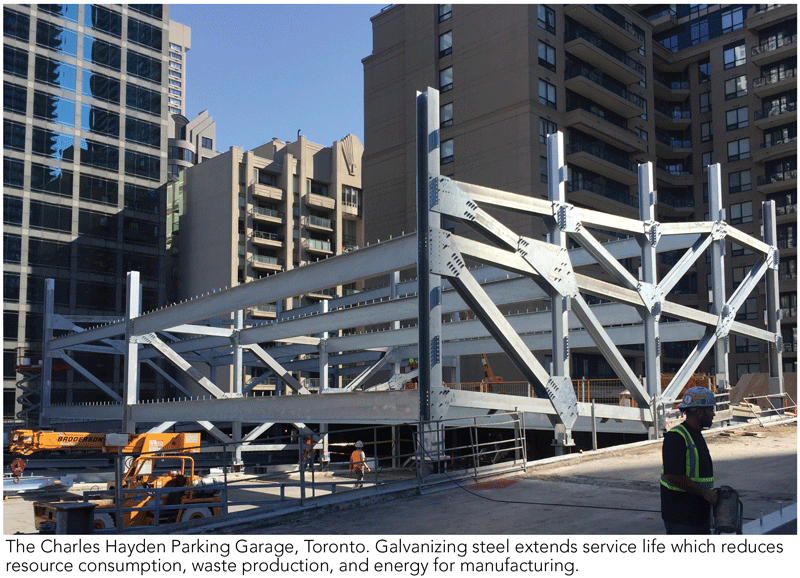
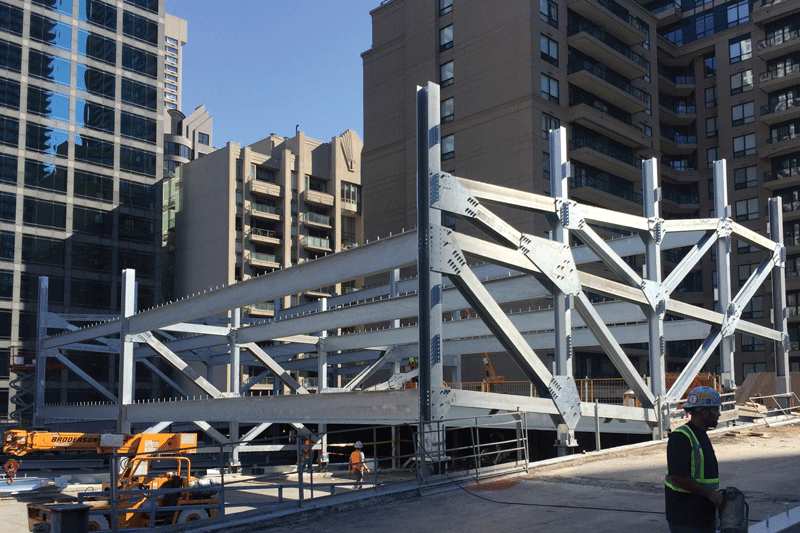
Recently, there has been a strong upswing to use galvanized steel as the optimal sustainable construction material. Galvanized steel stands out for its full life cycle benefits, which include durability, minimal maintenance, and recyclability. The galvanizing process coats steel with a protective zinc layer, preventing corrosion and significantly extending its service life. This longevity reduces the need for frequent replacements, cutting down on resource consumption, waste production, and energy usage associated with manufacturing and installation. The sustainability benefits increase over time, as fewer repairs result in a smaller environmental footprint.

At the end of its life cycle, galvanized steel remains highly recyclable. The steel industry has one of the highest recycling rates globally, and this closed-loop process reduces waste and conserves natural resources, supporting circular economy principles. Additionally, galvanizing requires less energy and fewer materials than alternative protection methods, resulting in lower emissions during production. Overall, galvanized steel aligns with eco-friendly practices throughout its life cycle, from production to end-of-life recyclability.

For asset owners, galvanized steel offers a high return on investment (ROI) by extending the life of steel structures and reducing the need for costly repairs or replacements. Its high recyclability also adds residual value at the end of an asset’s life cycle. Moreover, galvanized steel’s durability minimizes downtime associated with structural repairs, supporting operational continuity. These factors collectively reduce total lifecycle costs, making galvanized steel a sound choice for enhancing asset performance and longevity.

Almost any structure can benefit from galvanizing, including buildings, bridges, rebar, towers, electric power grids, and other steel structures. Painted galvanized structures, known as the Duplex System, mostly used for infrastructure exposed to the environment, can further extend the service life.

Hellen Christodoulou Ph.D., Eng., B.C.L., LL.B., M.B.A. is Executive VP, Engineering, Sustainability & Business Development at Corbec Inc.

  • SUBSCRIBE TO THE DIGITAL OR PRINT ISSUE OF SABMAGAZINE FOR THE FULL VERSION OF THIS ARTICLE.
Kipling Transit Hub


Advanced steel framing cuts tonnage costs  

By Scott Norris

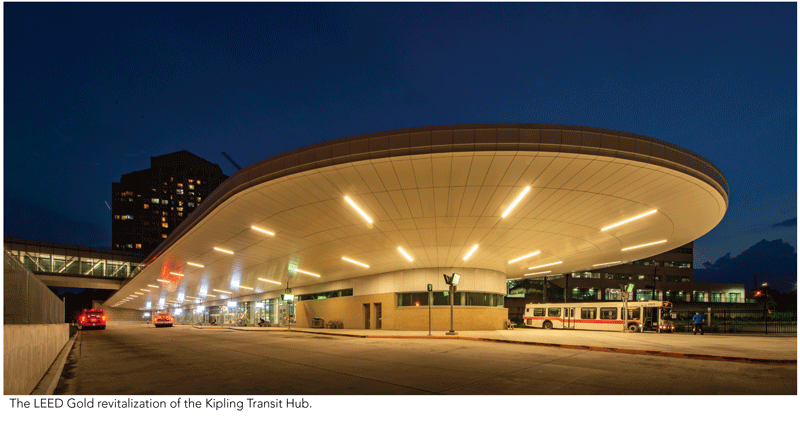
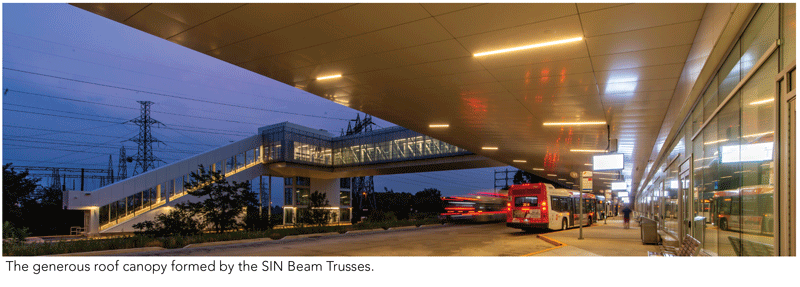
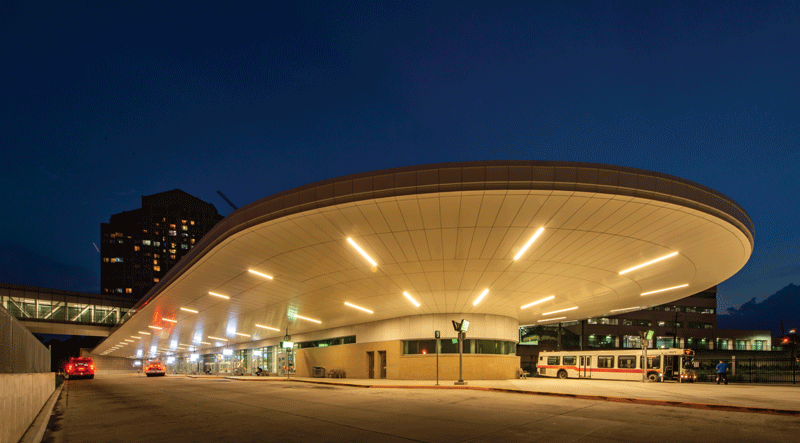
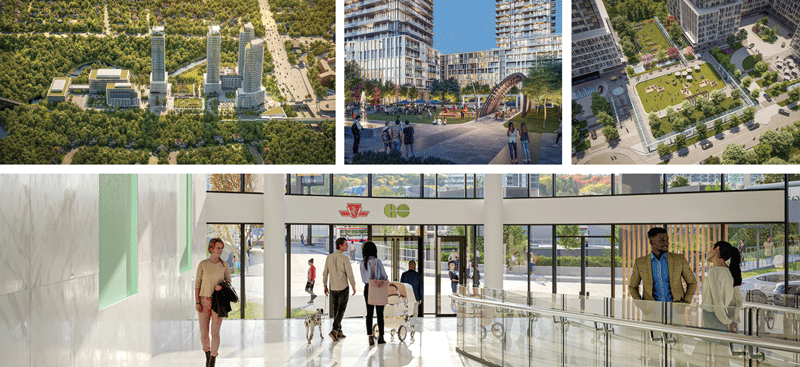
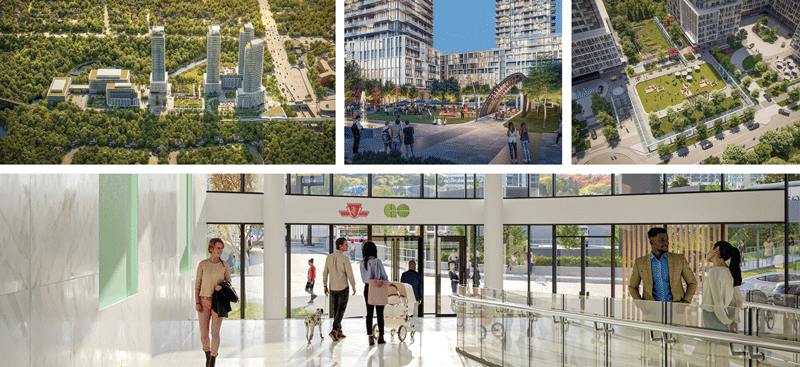
Completed in 2022, the Kipling Transit Hub is a 4,890m2 revitalization of an existing transit station. The LEED Gold station serves as a key transit interchange in Toronto’s west end, connecting GO Transit, TTC subway and MiWay buses under one roof.

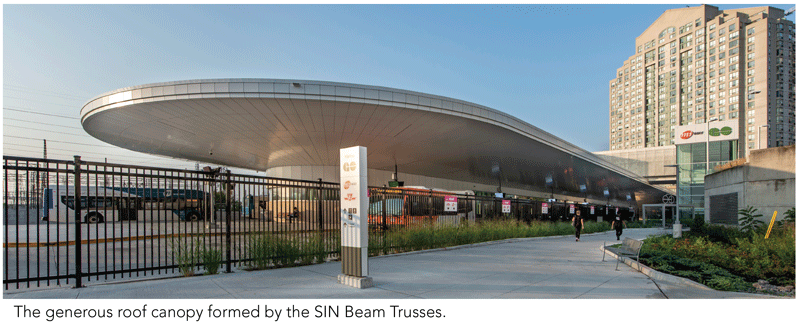
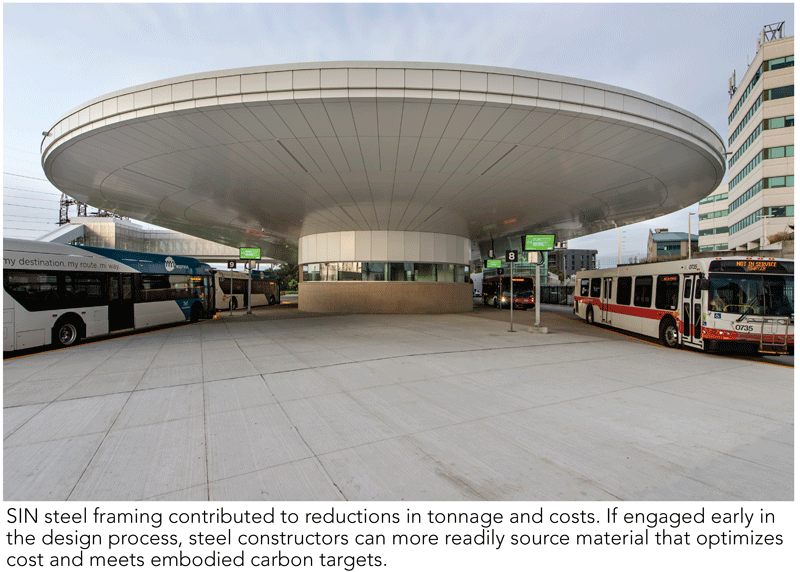
The focal point of the project was a new 300m2 bus terminal with a long curving cantilevered roof structure projecting out over the bus parking and circulation area. The $73 million design/build project was led by Ellis Don.

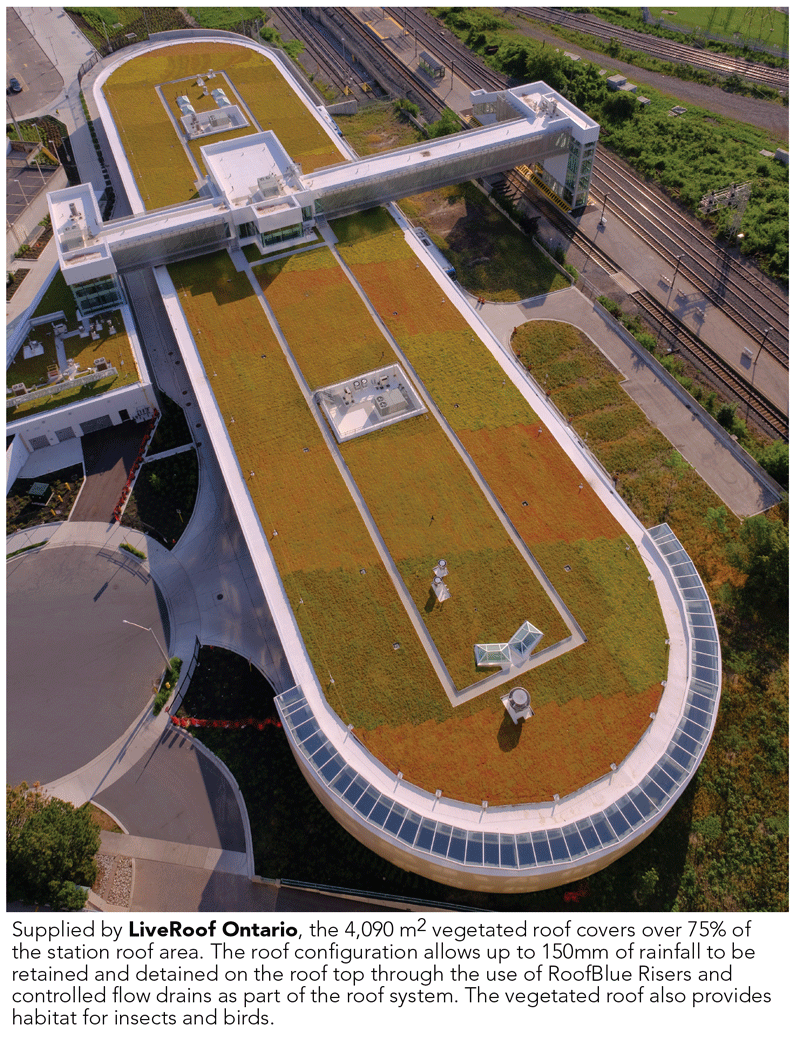
The elliptical shaped roof structure supports a 4,460m2 green roof which contributed to the LEED accreditation. Along with the station building there were many other components including a pedestrian bridge, tunnels, platforms and parking, which will not be covered in this article.

Over the course of the project it was determined that the scope of the structural steel work was expanding beyond the initial budget.  At this point, Steelcon was brought on in a design assist role to determine whether its proprietary SIN beam member could be utilized to reduce cost, overall steel tonnage and improve delivery times.

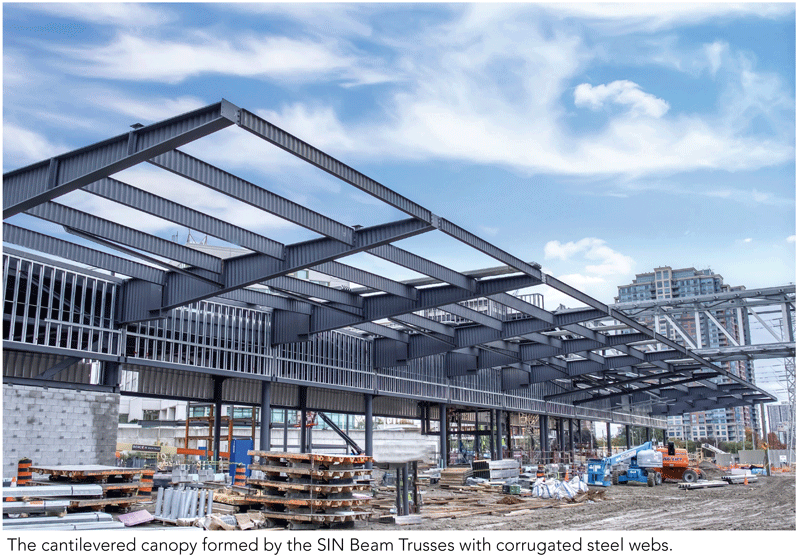
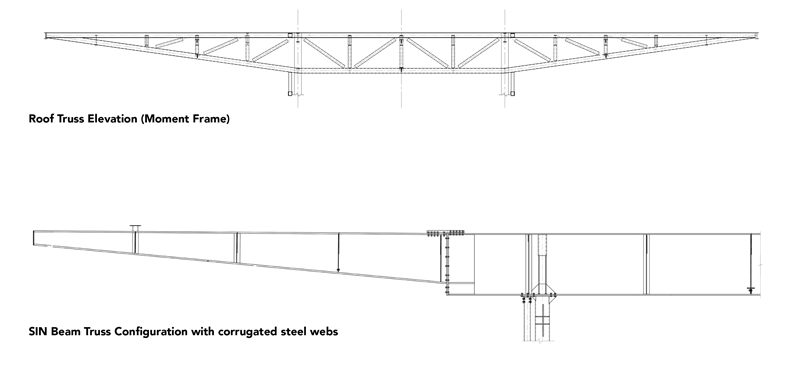
The SIN beam is a custom built-up beam with a corrugated web section that allows the web thickness to be optimized for the design loads.  The sinusoidal (SIN) profile of the corrugations improves the strength-to-weight ratio of the web by virtue of its geometry. This web optimization along with substantial variability in the flange members resulted in significant reduction in the overall tonnage of steel required for the project.

Value Engineering Approach

The initial design for the elliptical roof structure consisted of typical frames spaced at approximately 8.0m on centre through the middle of the structure and transitioning to radially oriented girders at the west end and cantilever trusses to the east. The typical frames consisted of a central truss spanning between columns spaced at 10.5m, with the trusses then projecting 12.75m beyond the supporting columns and tapered down from 2.0m deep at the centre to 300mm at the roof perimeter.  Between the main frames, secondary open web steel joists support a metal deck on which the roof was applied.

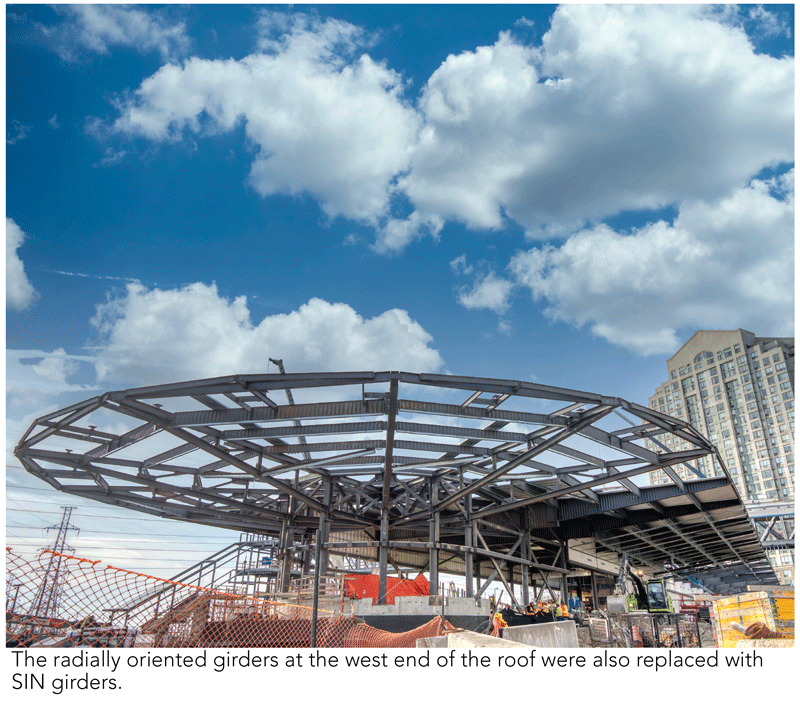
During the design assist review, the trusses at the typical interior frames were revised to long span cantilevered SIN girders. In this application the SIN girders were tapered to follow the initial truss profile. The radially oriented girders at the west end of the roof were also replaced with SIN girders. However, the east end remained as trusses due to the efficiency in this configuration.

The final change involved the replacement of all the secondary framing, open web steel joists being replaced with SIN beams. The framing of the associated ancillary buildings and pedestrian bridge was less suitable for SIN beam replacement and was thus not considered. In all a total of 177 open web steel joists and 11 roof truss members were replaced.

Sustainability Approach

Since this project was designed and built before embodied carbon thresholds and other sustainability targets for structural steel projects became common practice, we decided to review the Kipling project to determine the associated benefits of SIN Beam substitution; notably reductions in global warming potential (GWP). The conclusions from this analysis enable us to extrapolate  to future projects which are subject to carbon thresholds.

Scott Norris B.Esc., P.Eng.is Director, Engineering Solutions at  Steelcan. Photos of completed building: Simon Liao, courtesy Strasman Architects.

  • SUBSCRIBE TO THE DIGITAL OR PRINT ISSUE OF SABMAGAZINE FOR THE FULL VERSION OF THIS ARTICLE.
 

Building Better with Steel

Guidelines for lowering GHG emissions in conventional steel structures

By Scott Norris

Finding ways to reduce the carbon footprint of buildings is on every professional’s mind. While certification programs like LEED, Toronto Green Building Standards, and CAGBC Net Zero Carbon Building Standard have helped guide the industry in terms of reducing the environmental impact of buildings, including Global Warming Potential (GWP), it is an ever evolving mission.

The steel industry has begun to take a life cycle approach, reducing the emissions associated with the production of the material, the construction process, as well as the energy efficiency over its lifespan. Regardless of the building type, occupancy, or design material, it is critical that consultants reaffirm their design approaches to ensure they align with this more holistic goal.

In buildings where, large clear spans are required by the program, a steel structure with conventional cast in place concrete foundations is often preferred for reasons of economy.  Steelwork that is efficiently fabricated off-site offers quality-assured, fully tested, and traceable products. On-site construction is fast and has minimal adverse local environmental impacts. These characteristics lend themselves well to warehouses, community centres, transit buildings, data centres and low-rise offices, among others.

For those involved with these building types for which steel is better suited, the overall embodied carbon in the structure can be reduced in several ways:

1. Design efficiently and purposefully. For example:

a. The consultants must work together to determine accurate design loading; excess loading compounds exponentially in the member design phase.

b. Work with the consultants and contractors to understand serviceability requirements of floors, finishes and curtain walls.

c. During preliminary building layout, opt for bays with a 3:4 rectangular aspect ratio for girders to beams. Also, aim for bay sizes of 7.5m x 10m to 10m x 13m to maximize deck spans and optimize framing weight and depth.

d. Utilize efficient framing systems, such as: SIN Beams, composite beams, gerber girder framing, open web steel joists (OWSJs), trusses, arches and tension only members wherever possible.

e. Avoid inefficient systems such as moment frames, transfers of gravity structure, Vierendeel trusses, etc., wherever possible.

f. Understand the transportation impacts created by the materials that you are choosing. Truck transportation produces 17 kg CO2 / tonne / 100 km, while train is 33% of that and marine shipping is 5%.

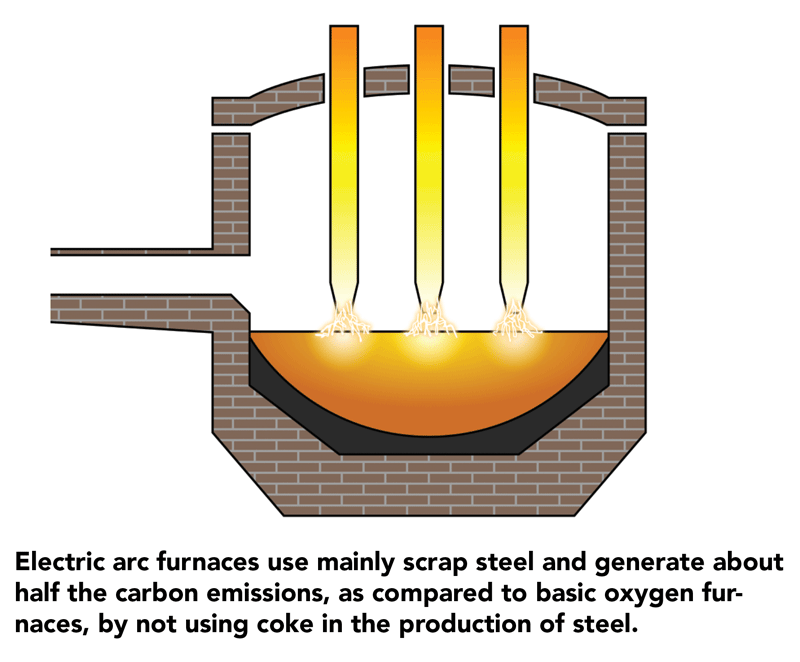
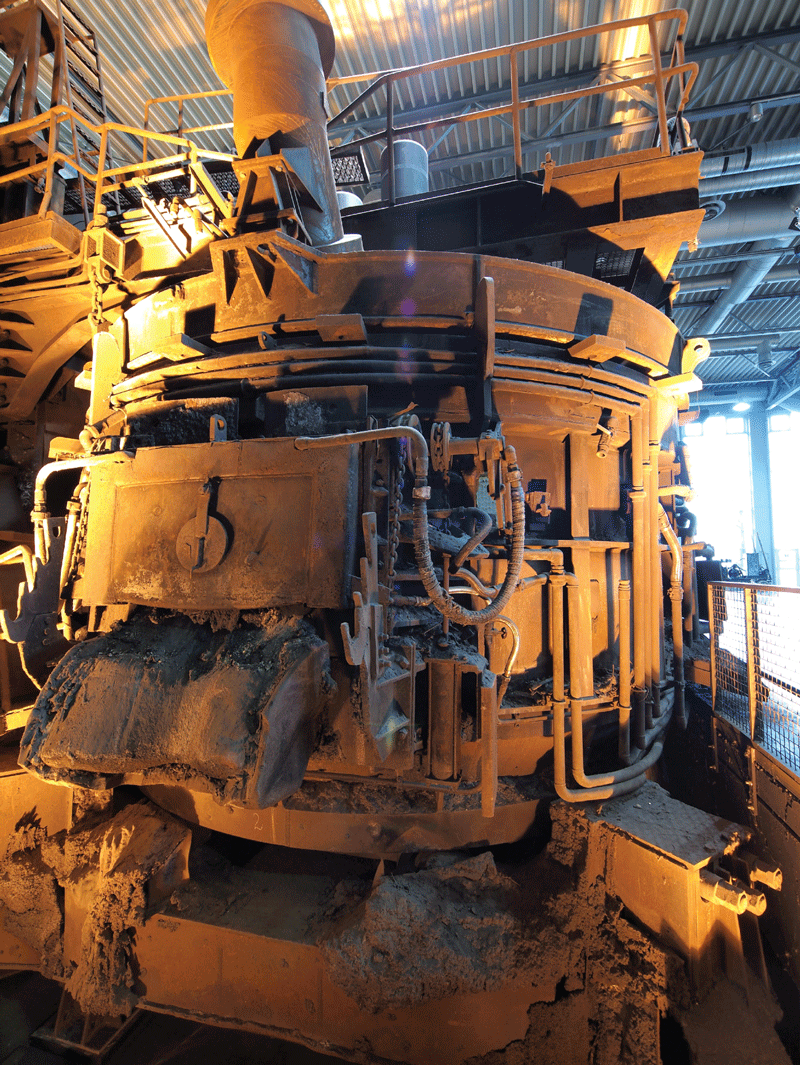
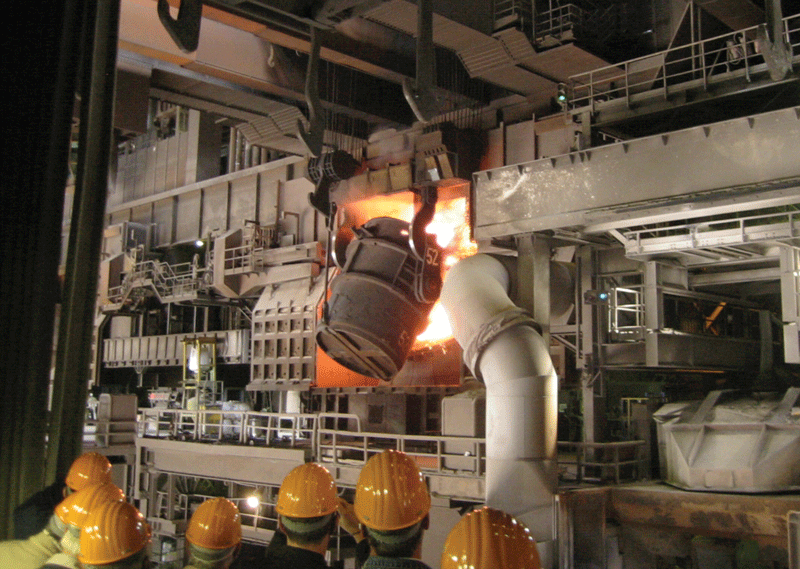
g. Prioritize members that are produced using an electric arc furnace (EAF). North American manufacturers typically use EAFs to manufacture steel for hot rolled shapes like wide-flange members, angles and channels.

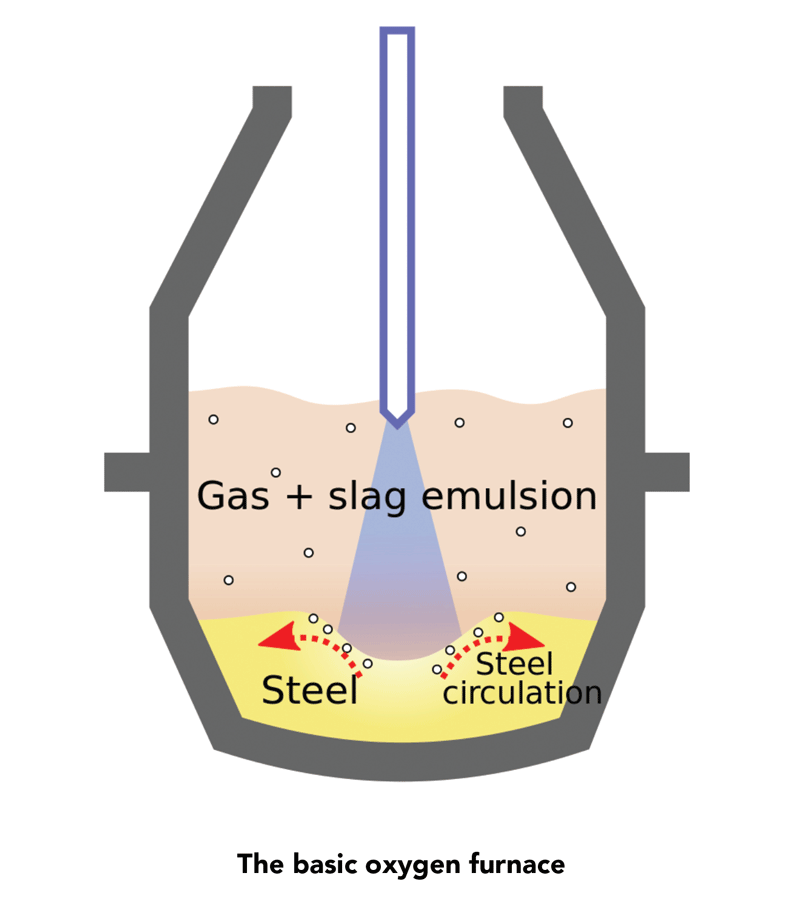
h. Understand the benefits and limitations of hollow structural sections (HSS). These members are more efficient from a material standpoint, however if they are purchased in Canada, they currently come from basic oxygen furnace (BOF) coil which increases embodied carbon and reduces recycled content. If the HSS is purchased from US mills it is more likely that the coil will be coming from EAF.

This will change in coming years when the EAF mills at Algoma Steel and Dofasco come online in 2026.

i. Understand that plate, and cold form steel is often produced in using BOF. This impacts items such as roof deck for example which has high GWP values.

j. Investigate the use of high yield strength for tension members, simply supported columns, beam columns, and simply supported laterally restrained beams

k. Do not forget about the concrete works. Design foundations, slab on grade, floor deck and other elements efficiently and utilize reinforcement only as required Alternately, use fibre reinforcement instead of steel.

l. Work with the concrete suppliers to utilize low carbon mixes.

Scott Norris is Director of Engineering Solutions at Steelcon.

Find out more about carbon neutral steel designs at  www.steelcongoc.com, follow Scott Norris on LinkedIn or contact him directly, snorris@steelcongoc.com.

  • SUBSCRIBE TO THE DIGITAL OR PRINT ISSUE OF SABMAGAZINE FOR THE FULL VERSION OF THIS ARTICLE.
Fast + Epp head office

Urban infill building highlights hybrid construction

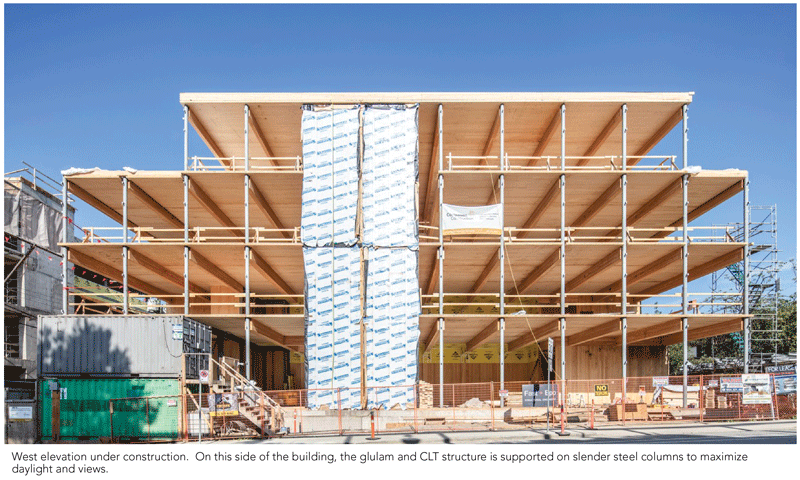
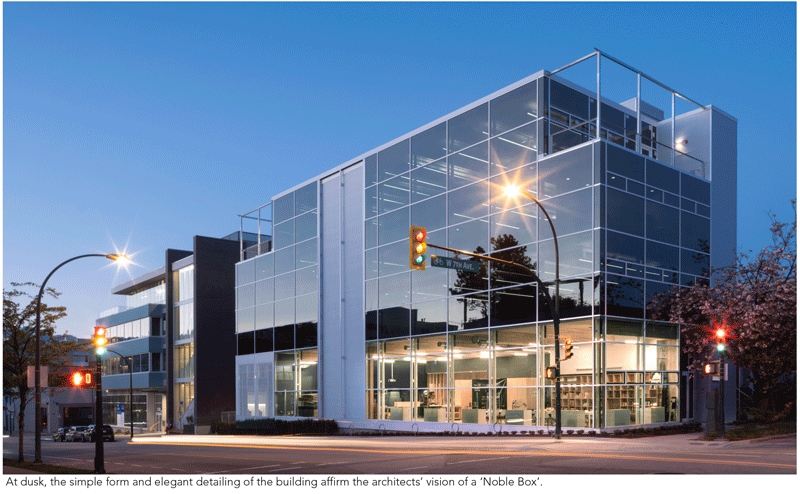
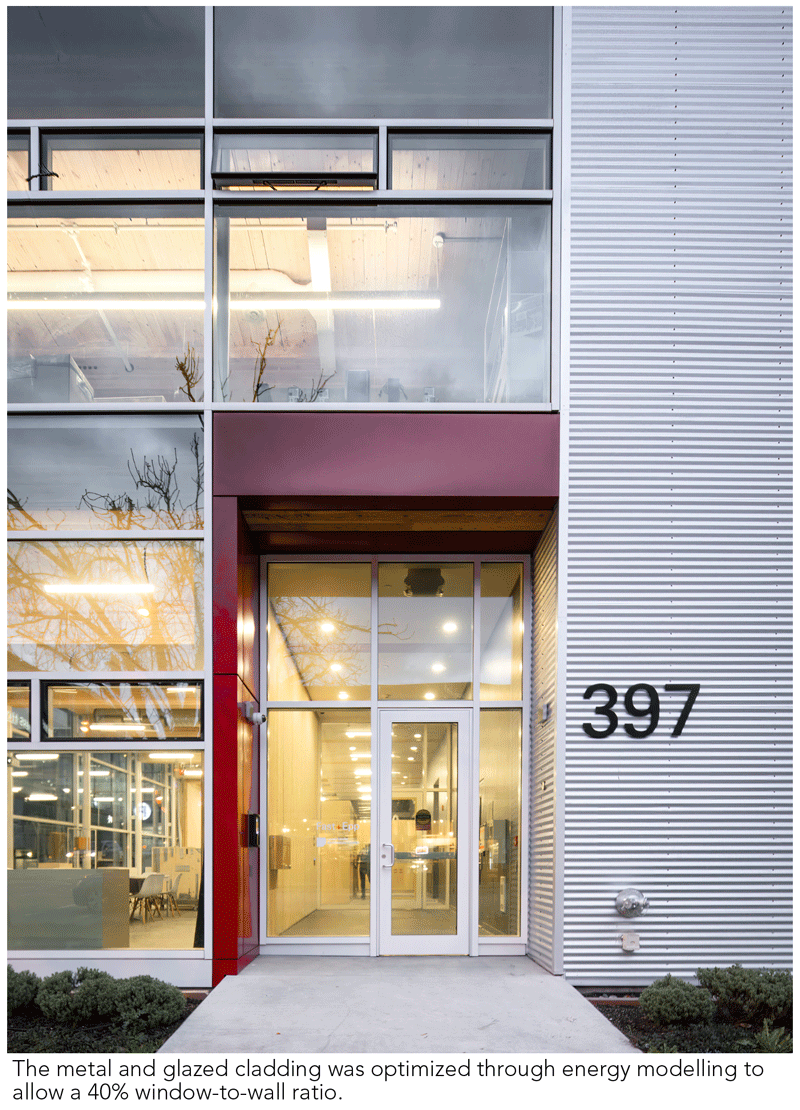
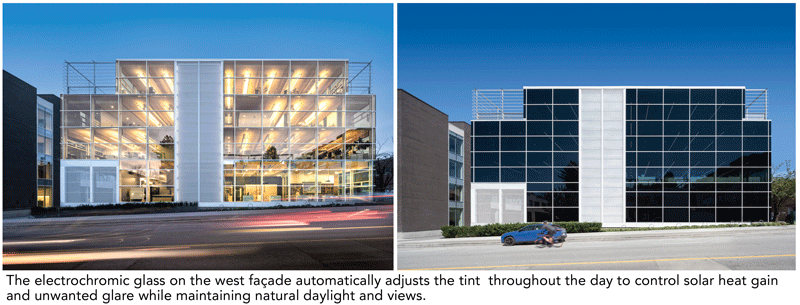
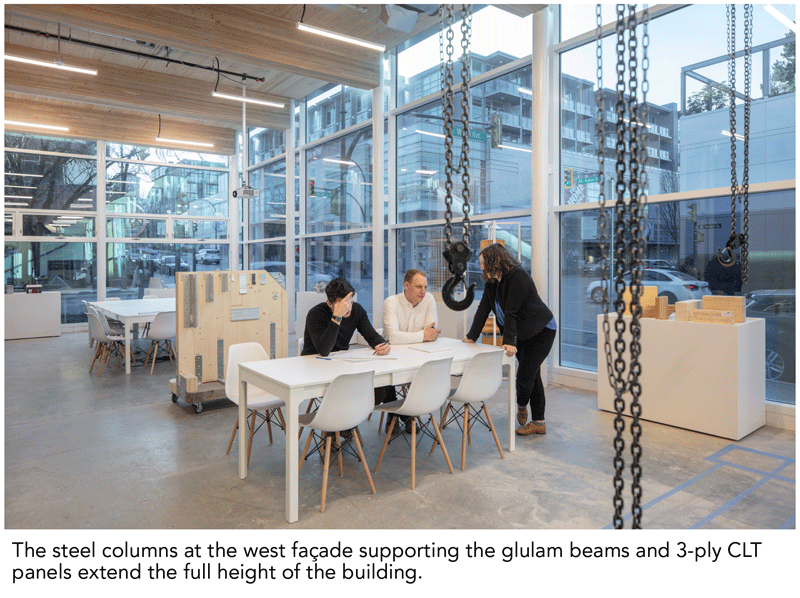
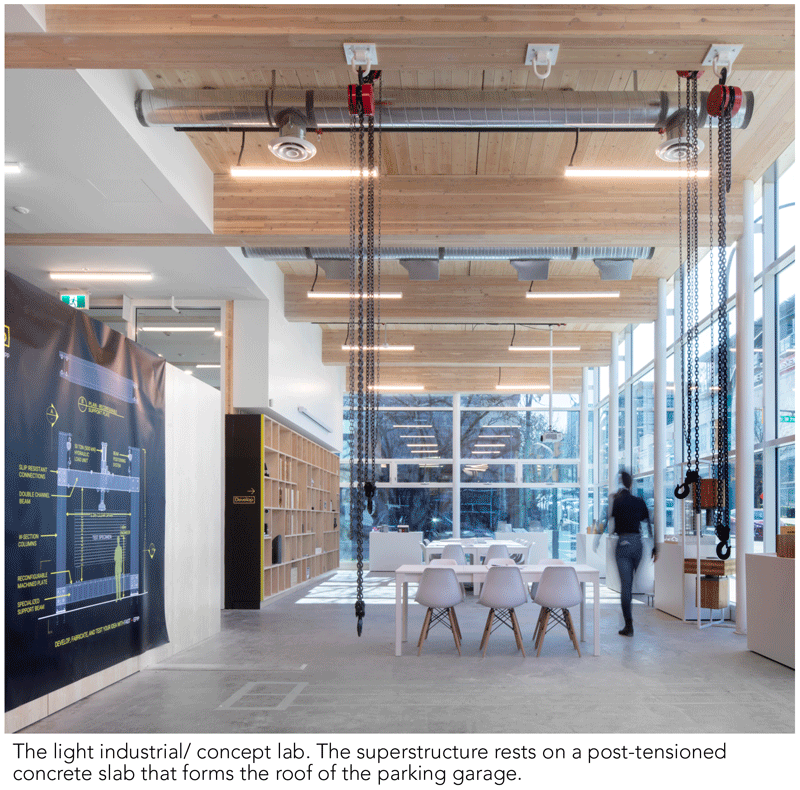
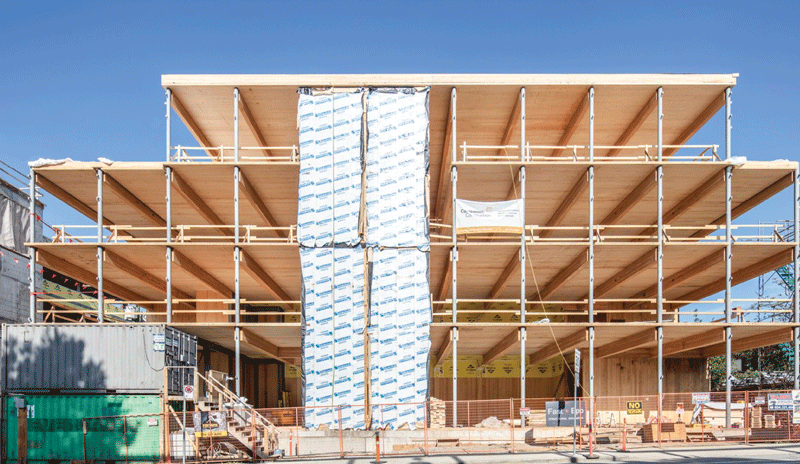
Completed in 2022, the Fast + Epp Home Office is an elegant, economic and highly transferable example of an urban densification project whose approach to material use is a pragmatic hybrid of mass timber, steel and concrete.

The four-storey mixed use building is located close to the city centre on the south shore of False Creek, an eclectic light industrial area that has undergone dramatic transformation over the past decade.

The 137.1m x 13.3m site is zoned for an FSR of 3.0, of which 1.0 must be an industrial use located at street level. A 1.2m right-of-way reduced the width of the site, forcing a portion of the industrial use to the second level and making vertical fire separations necessary.

Below grade, the reduced width required the elimination of interior columns in favour of a clear span, post-tensioned slab to accommodate a single row of parking and an aisle. This in turn influenced the design of the above ground structure, where clear spanning glulam beams informed both the subdivision of space and the routing of exposed building services.

These constraints required a pragmatic design response, both in the use of space and choice of materials. This approach resonated with Fast + Epp (both client and structural engineer for the project) and with f2a architecture, which aims “to create buildings that are minimal, energy efficient, have healthy interiors and a direct relationship to their site.”

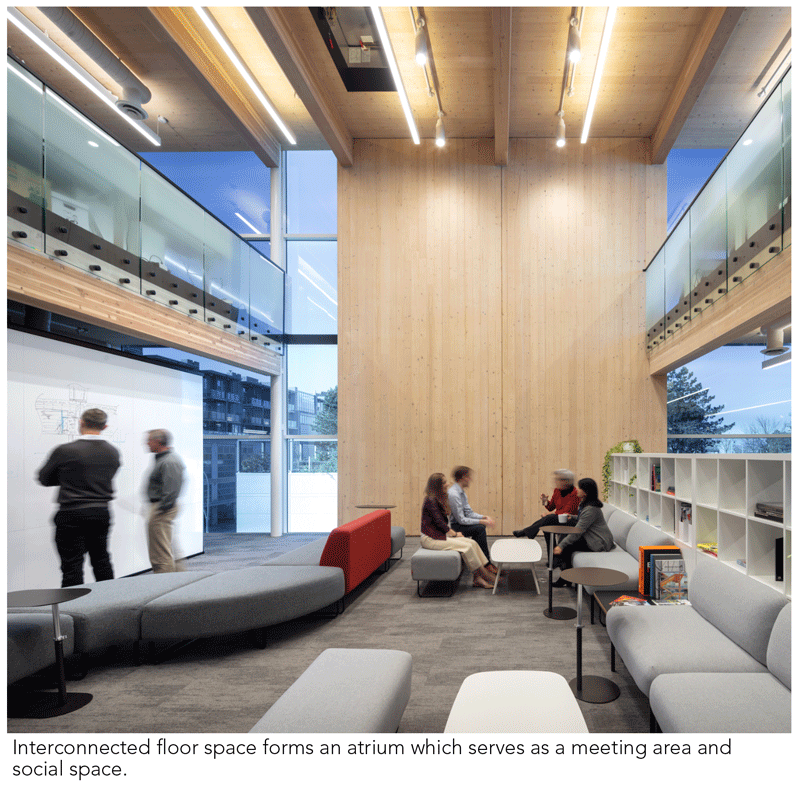
To maximize leasable area within the zoning envelope, floor to floor heights were carefully manipulated according to use; Level 1 being 4.8m; Levels 2 and 3 being 3.6m and the Level 4 penthouse 2.6m. There is an interconnected floor space (IFS) between Levels 3 and 4. There is a 2-hour fire separation between industrial and office occupancies, with 1-hour required for the other floors and supporting structure.

The IFS forms an atrium, serving as a meeting area and social space for the Fast + Epp office. The lower level has a small kitchen, while the upper level accommodates ‘touch down’ work stations and (being smaller than the lower floors) has access to a roof terrace.

Project Credits

  • Owner/Developer Fast + Epp Structural Engineers
  • Architect  f2a architecture
  • General Contractor Companion Construction Ltd
  • Building Code  GHL Consultants
  • Structural Engineer Fast + Epp Structural Engineers
  • Interior Design HCMA Architecture + Design
  • Mechanical Engineering Impact Engineering
  • Photos Michael Elkan
  •  
  • SUBSCRIBE TO THE DIGITAL OR PRINT ISSUE OF SABMAGAZINE FOR THE FULL VERSION OF THIS ARTICLE.
Navigating the transformation

The evolving role of wood in sustainable construction

By Peter Moonen

Around the globe, the construction sector is in the midst of a profound transformation. Faced with an array of social, economic, and environmental challenges, the industry is adapting to new demands and regulations. As urban populations swell—80% of the world’s population is projected to live in cities by 2050, with Canada already at 81%—the need for affordable, high-performance multifamily housing has never been more pressing. The sector is grappling with rising operational costs, material expenses, and a shrinking labour force, all while striving to enhance energy efficiency and affordability in rapidly densifying urban areas.

The Carbon Conundrum

Decarbonizing construction is a crucial part of this transformation. For decades, regulations have focused on operational energy, pushing the industry toward buildings with minimal energy demand and related monthly costs. Recently, however, there has been a shift toward addressing the carbon footprint of the construction process itself. Wood, with its low carbon emissions, is emerging as a key player in this shift. As building codes evolve to permit greater use of wood, particularly mass timber, there is a significant opportunity to reduce the carbon footprint of construction.

In Europe, energy efficiency has long been a standard, and now low-carbon building policies are becoming more prevalent. Canadian cities like Vancouver and Toronto are following suit with initiatives to cut embodied carbon in new construction. Provincial and federal governments are also setting carbon reduction targets in their procurement practices, creating a ripple effect across the industry.

The Rise of Mass Timber

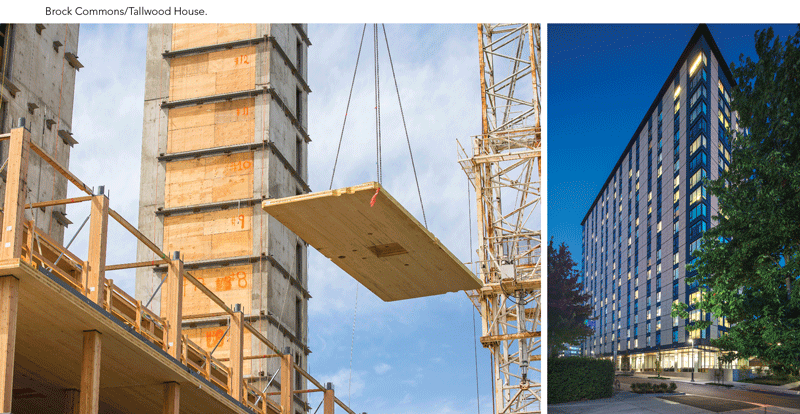
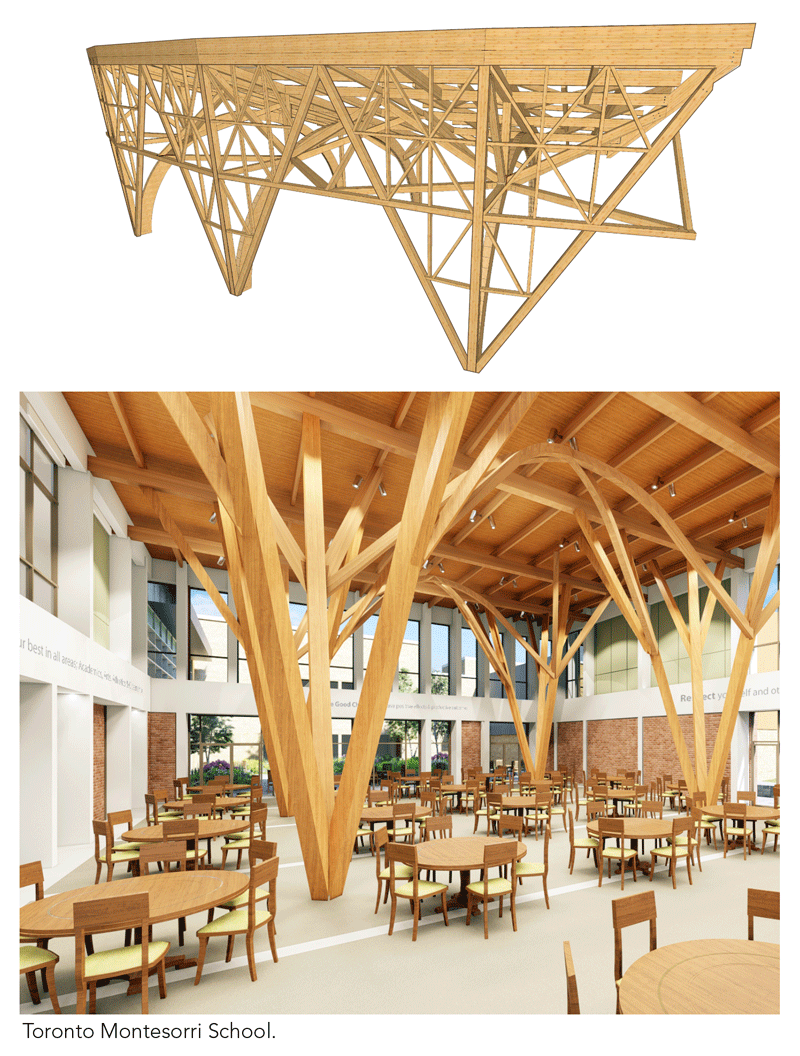
The past 15 years have seen a substantial growth in the mass timber sector in both Canada and the U.S. Building codes are increasingly recognizing the potential of mass timber products, which are now being used in structures previously deemed unsuitable because of their height and/or occupancy . Notable examples include Brock Commons/Tallwood House (Photos 1 and 2) , an 18-storey student residence  at the University of British Columbia and the Fast + Epp Home Office Building, a mixed use, 4-storey infill building in Vancouver. These structures demonstrate the viability of mass timber in high-rise and hybrid construction, blending wood with other materials for enhanced performance.

The Importance of Collaboration

For hybrid buildings such as these, designers and specifiers must work closely with contractors and suppliers to ensure that material choices align with the project’s goals. By fostering collaboration, teams can leverage the expertise of various stakeholders, ultimately leading to more innovative and efficient solutions. The transition from traditional construction methods to a hybrid approach is reshaping the way we build in Canada.

Code Changes

Changes to building codes have been instrumental in this shift. For instance, the National Building Code now allows encapsulated mass timber construction (EMTC) up to 12 stories, with some jurisdictions permitting up to 18 stories. This increased acceptance is largely due to rigorous research by the National Research Council of Canada and other organizations, which has validated the performance capabilities of mass timber and engineered wood products.

Peter Moonen is National sustainability Manager for the Canadian Wood Council.

SUBSCRIBE TO THE DIGITAL OR PRINT ISSUE OF SABMAGAZINE FOR THE FULL VERSION OF THIS ARTICLE.
Amexon Development Corporation wins prestigious IPAX Americas Property Award

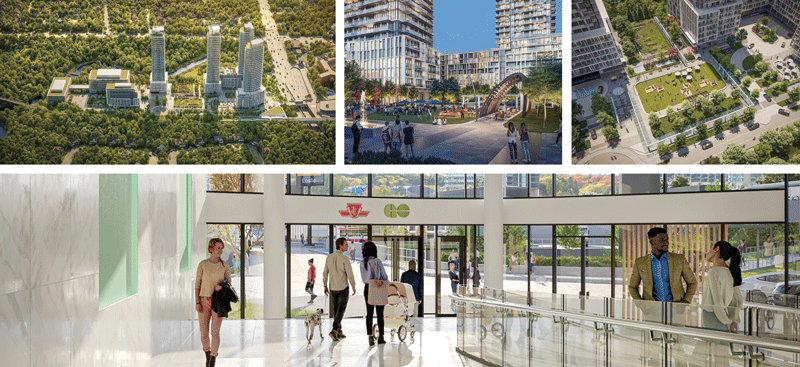
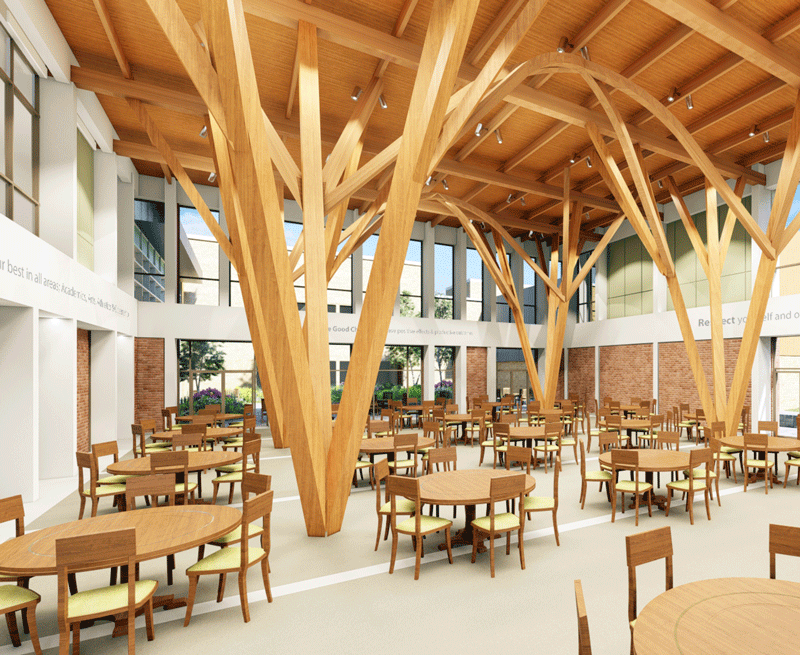
The Residences at Central Park project by Amexon Development Corporation has won the coveted IPAX Americas Property Award for “Best Sustainable Residential Development” in Canada.

The globally-recognized IPAX Americas Awards honour outstanding achievements across the real estate sector from nine global regions, awarding projects that exemplify innovation, superior quality, and environmental responsibility.

Amexon's award-winning Residences at Central Park in Toronto —a 12-acre master-planned community of five towers— contains numerous green technology measures, some of which include:

In the building:

• Vegetated roofs reduce energy consumption and absorb rainwater

• Photovoltaic modules supplement the building’s power needs

• High-performance thermal building envelope minimizes unwanted solar gain and heat loss

• Over 1,500 electric car charging stations service every parking space, including visitor parking spaces, a first in North America

• Energy-efficient LED light fixtures and motion sensors in corridors and common areas

• Intelligent building automation system for heating and cooling controls in common areas

• Next-generation building mechanical systems feature improved air flow and HEPA filtration systems

• Central building water filtration system

• On-site car-share service and bicycle-share service

• Convenient access to transit

In each suite:

• Individually metered electrical and water usage provide control over consumption and water-wise fixtures for showers, sinks and dual-flush toilets

• Individually controlled and programmable comfort systems to control heating and cooling from smartphone

• Low-voc finishes and significant use of hard-surface flooring for easy maintenance

“The Award is a testament to our ongoing commitment to sustainability and forward-thinking design,” said Ashling Evans, General Manager of Real Estate at Amexon Development Corporation.

The Residences at Central Park also recently won the Ontario Home Builders' Association's Project of the Year (People's Choice Award) and named a finalist for the BILD Green Builder of the Year and the OHBA Green Building of the Year.

The project seamlessly integrates with the adjacent East Don Parkland to create a mixed-use community that represents the future of sustainable urban living in North America. centralparktoronto.com

SUBSCRIBE TO THE DIGITAL OR PRINT ISSUE OF SABMAGAZINE FOR THE FULL VERSION OF THIS ARTICLE.
New all-Canadian platform

Meeting sustainable building compliance in less time

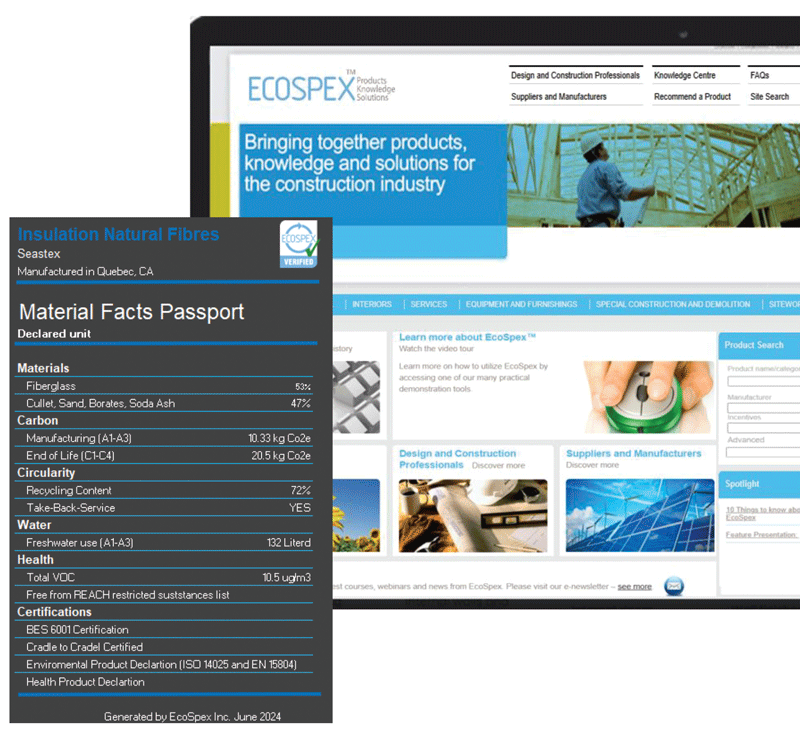
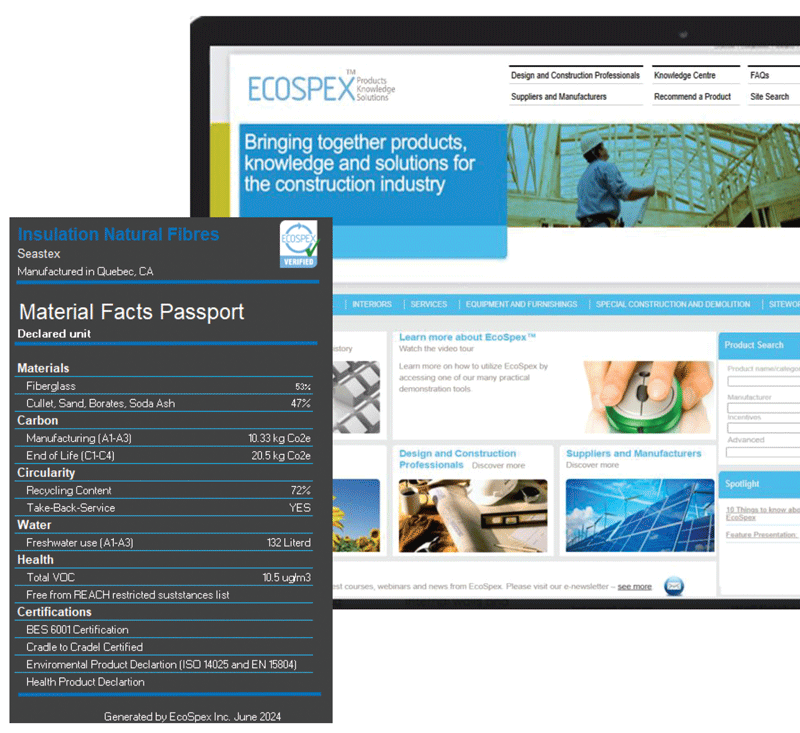
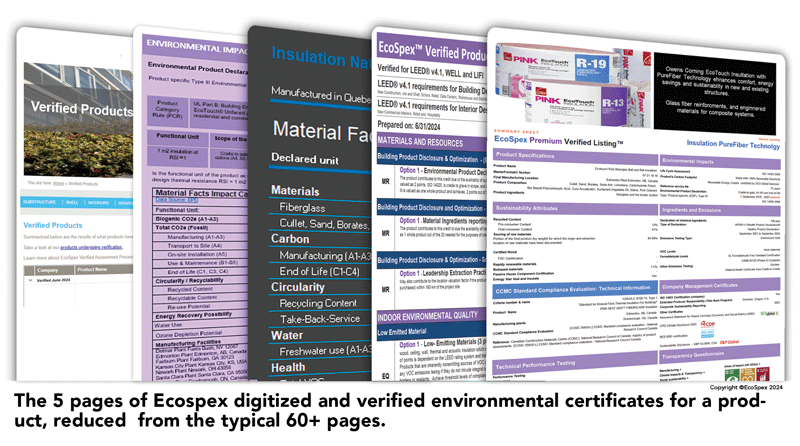
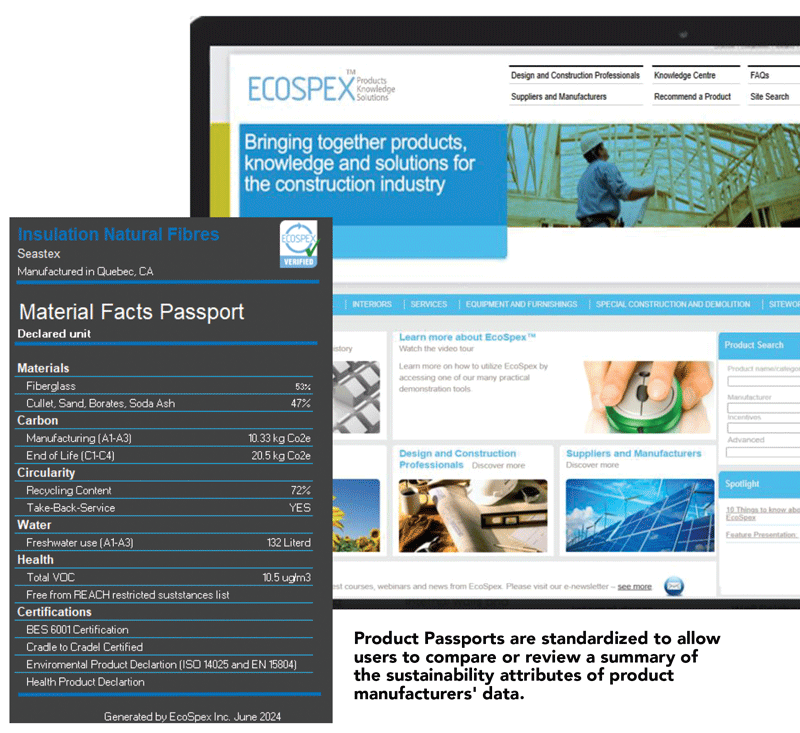
What is it? – EcoSpex is a verified product specification platform designed to revolutionize how construction materials are specified for green and healthy buildings.

Who is it for – EcoSpex supports manufacturers by automating and digitizing the environmental certifications and other relevant documentation of their products on one platform so that Developers, Owners, Architects, Engineers, General Contractors, Interior Designers, and sustainability professionals can cut the time it takes to decide the suitability of products for sustainable building from hours to minutes.

Why Now, Why Canadian?

EcoSpex consulted with the Federal Government, numerous companies and Industry Associations across Canada to discover the need for an all-encompassing, fully digitized one-stop platform that collects, verifies and automates environmental certifications of manufacturers’ products accessible in Canada and suitable for Canadian climates. 

The platform quickly provides an accurate set of documents to assure project teams that a product can meet sustainability and performance goals and compliance with LEEDv4, LEEDv5, WELL®, ILFI, International Passivhaus Institute, Fitwell, Green Globes, BOMA and BREEAM.

EcoSpex Low Carbon Platform allows project teams to:

  • Access a Trusted Process
  • Streamlined Product Evaluation
  • New Product Alerts
  • Get Guidance
  • Powerful Search & Compare Tools

Ready to specify products faster while meeting green and healthy standards?

Contact Julie Scarcella today: julie@ecospex.com

705-445-1256

www.ecospex.com

  • SUBSCRIBE TO THE DIGITAL OR PRINT ISSUE OF SABMAGAZINE FOR THE FULL VERSION OF THIS ARTICLE.
Prefabricated balconies Bring benefits in time, cost and performance

By Sam Estall

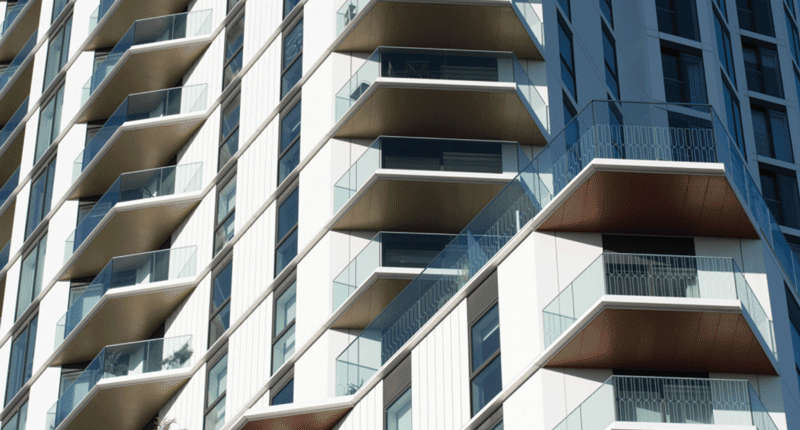
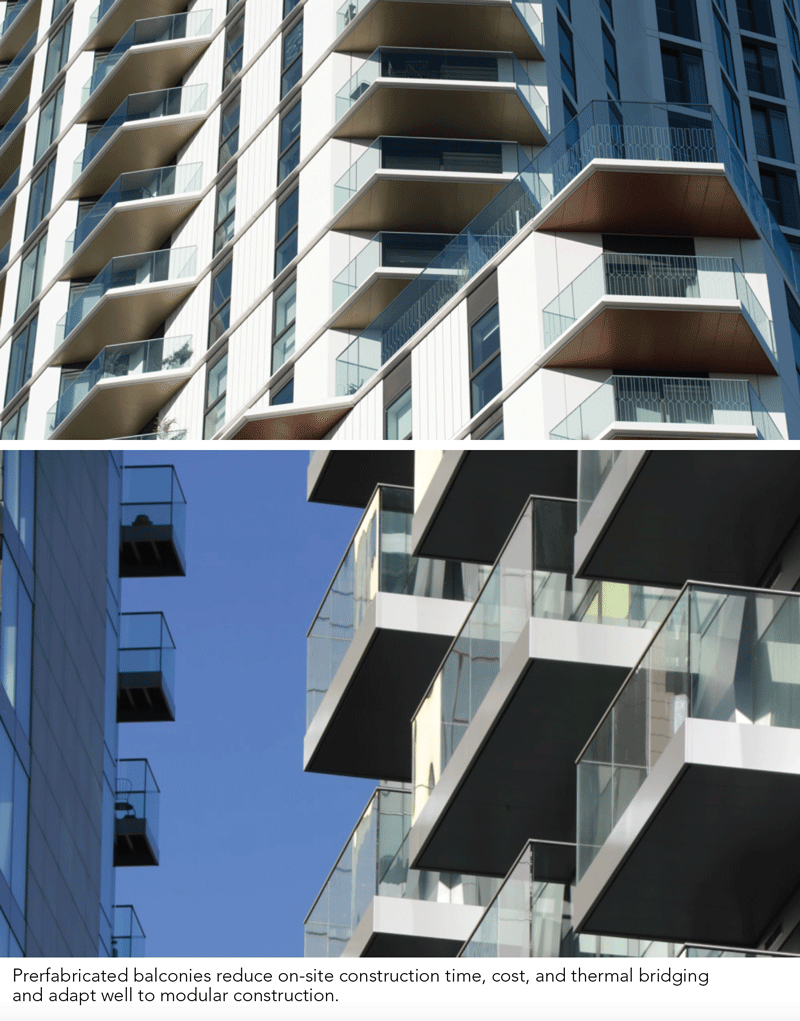
Prefabrication and modular construction are innovative approaches that can benefit a building project, and this includes balconies.
Reducing the time on site by not needing to manufacture balconies in-situ can be a time and cost-effective way to manage balconies on a development. Delivering fully assembled units means not only a decrease in cost, but also a reduction in risk.

And, since the floor of the prefabricated balcony is not continuous with the floor of the interior space, thermal bridging is all but eliminated.

Pre-finishing as much as possible in the factory reduces the requirement for secure storage on site – a further benefit particularly ideal for projects in city centres like Toronto or Vancouver where site space can often be extremely limited.

On-site health and safety issues, such as the risk of errors and potentially costly project delays due to bad weather, can be reduced with a prefabricated solution.

Finally, this increase in quality stretches out to quality assurance too – prefabricating balconies in factory conditions ensures a high degree of quality control which is almost impossible to achieve on site.

Prefabricated balconies do need to be designed to ensure compatibility with modular construction processes. Ensuring that the balcony design integrates seamlessly with other building systems, such as façade elements and structural supports, can enhance overall project coordination and efficiency.

Compliance with step codes in Canada must also be considered. Having a prefabricated balcony can lead to sustainability benefits, but making sure that balcony designs comply with relevant building codes and regulations, including requirements for structural integrity, fire safety, and accessibility, are crucial for ensuring code compliance.

Prefabrication is reinventing modern balcony construction – as time goes on, we at SAPPHIRE are seeing signs that the modular approach to balcony manufacturing could be on its way to becoming the norm.

With the various benefits of a prefabricated approach such as faster installation times, minimized thermal bridging, and quality assurance, a building development can benefit from not only a streamlined approach, but a lighter, safer, kinder one too, with more possibilities than ever before.

To learn more about how a prefabricated solution could benefit your project, visit balconies.global/visit-us-canada-showroom.

Sam Estall, Content Marketing Manager, Sapphire Balconies Ltd.

SUBSCRIBE TO THE DIGITAL OR PRINT ISSUE OF SABMAGAZINE FOR THE FULL VERSION OF THIS ARTICLE.