Dedicated to sustainable,
high performance building

WINDERMERE FIRE STATION No.31

Canada’s first net-zero fire station features sweeping PV array

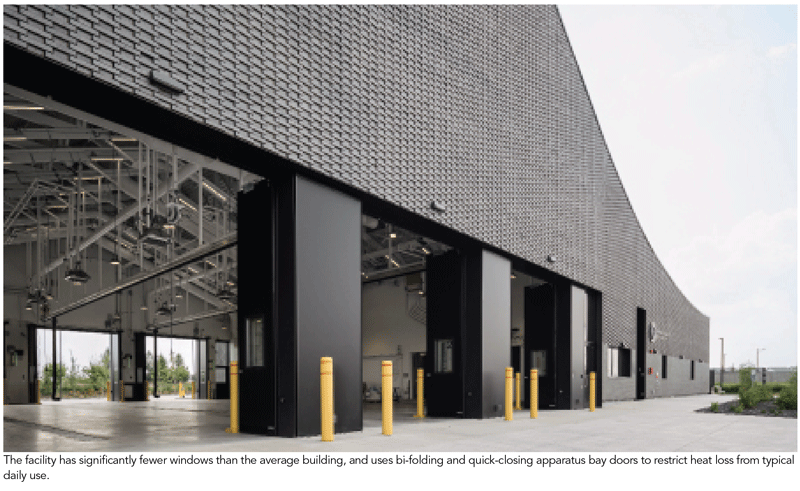
Windermere Fire Station No. 31 is located in southwest Edmonton in a rapidly expanding neighbourhood. The project is the City of Edmonton’s first net-zero building, achieved through a comprehensive passive design approach and a combination of solar arrays, geothermal heating and cooling.

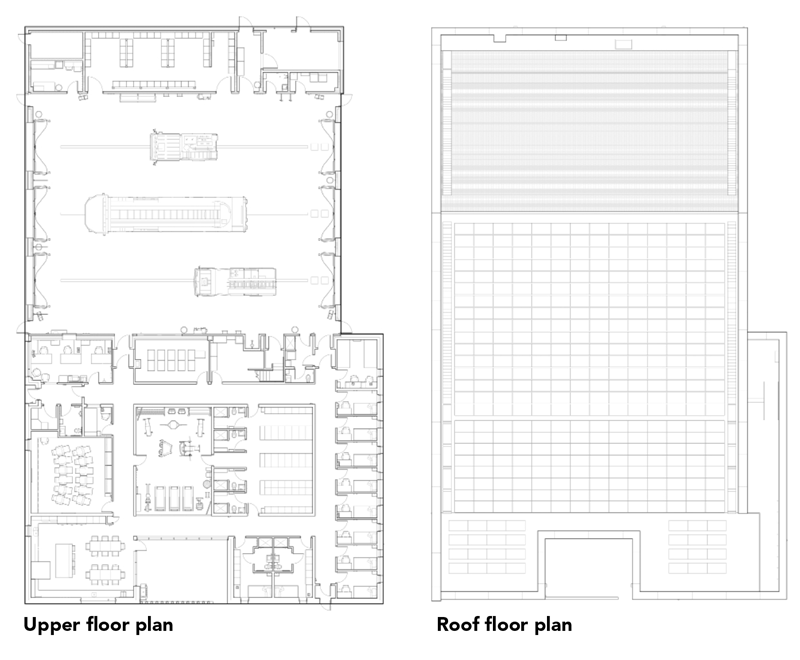
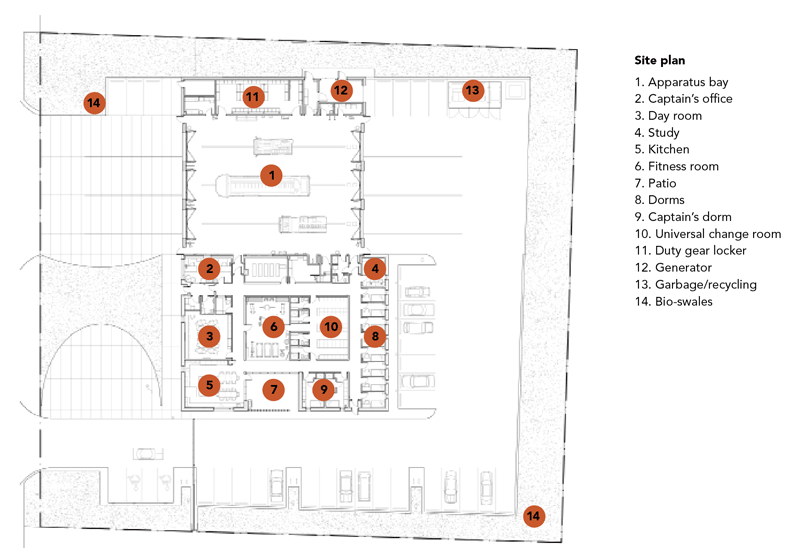
he 1,520 sq.m facility has bays for three fire engines as well as offices, sleeping quarters and dining areas for a crew of up to 12 firefighters.  The post-disaster, non-combustible, sprinklered building will also act as a community centre in the event of an emergency. To underpin this role, it also has a dedicated room to support  the many community drives in which the department is involved.

Design Approach

As civic buildings, fire stations are highly functional and technical facilities, usually embedded in residential communities for citizen safety. At once practical and symbolic, contemporary fire stations serve a critical public service while conveying important civic values within a neighbourhood.

The design challenge was to create an expressive and engaging structure that would encourage community pride and incorporate technical advances in environmental performance.

The City of Edmonton requested a highly sustainable project that would generate on-site renewable energy equal to 100% of the total building energy demand. The facility must also have an energy performance that is 40% more efficient than NECB 2011, yield 40% less green house gas emissions than the baseline using NECB 2011, and operate at no more than 80 kilowatt-hours per square metre per year for heating needs.

The project site was unbuilt and unremarkable – essentially a blank slate. The station’s form was derived from a desire to underscore both the iconic image of a fire station as a community anchor, and a contemporary imperative for sustainable citizenship. A typical fire station might have been characterized by familiar signatures such as a pitched roof, large fire truck doors, a hose and bell tower, and solid and heavy load-bearing walls.

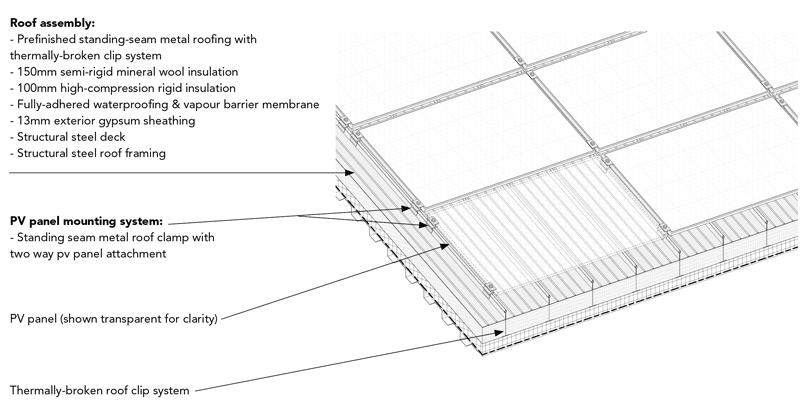
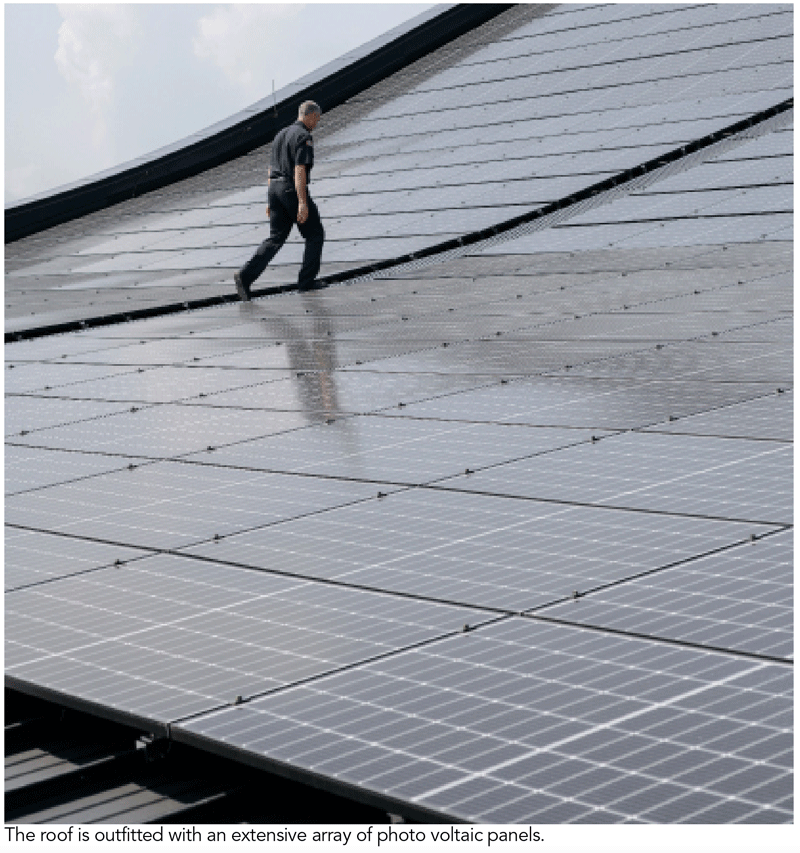
Windermere adheres to those principles, however, it re-imagines the hose and bell tower form – now redundant elements – with a gently curving, south-facing roof, outfitted with an extensive array of photovoltaic panels.

Other strategies to increase environmental performance include the building’s southern orientation which reduces energy demand by improving the quality of light received in the workplace. A geothermal heating and cooling system is also incorporated. The building is extremely well-insulated and includes high-performance windows and exterior doors.

Edited by SABMag editor Jim Taggart from material created by the project team.

SUBSCRIBE TO THE DIGITAL OR PRINT ISSUE OF SABMAGAZINE FOR THE FULL VERSION OF THIS ARTICLE.
The Contribution of Structural thermal Breaks to Overall Energy Performance

By Tracy Dacko

As our energy codes become more and more stringent, thermal breaks are increasingly important to prevent condensation and mould, reduce heat loss through envelope penetrations, lower energy costs and reduce carbon emissions.

Among the most critical locations to address this concern is at projecting balconies, where cantilevered slabs were traditionally a major contributor to the overall thermal bridging through the envelope. The introduction of structural thermal break systems  has prompted a resurgence of interest in balconies, which are once again a prominent feature of many buildings.

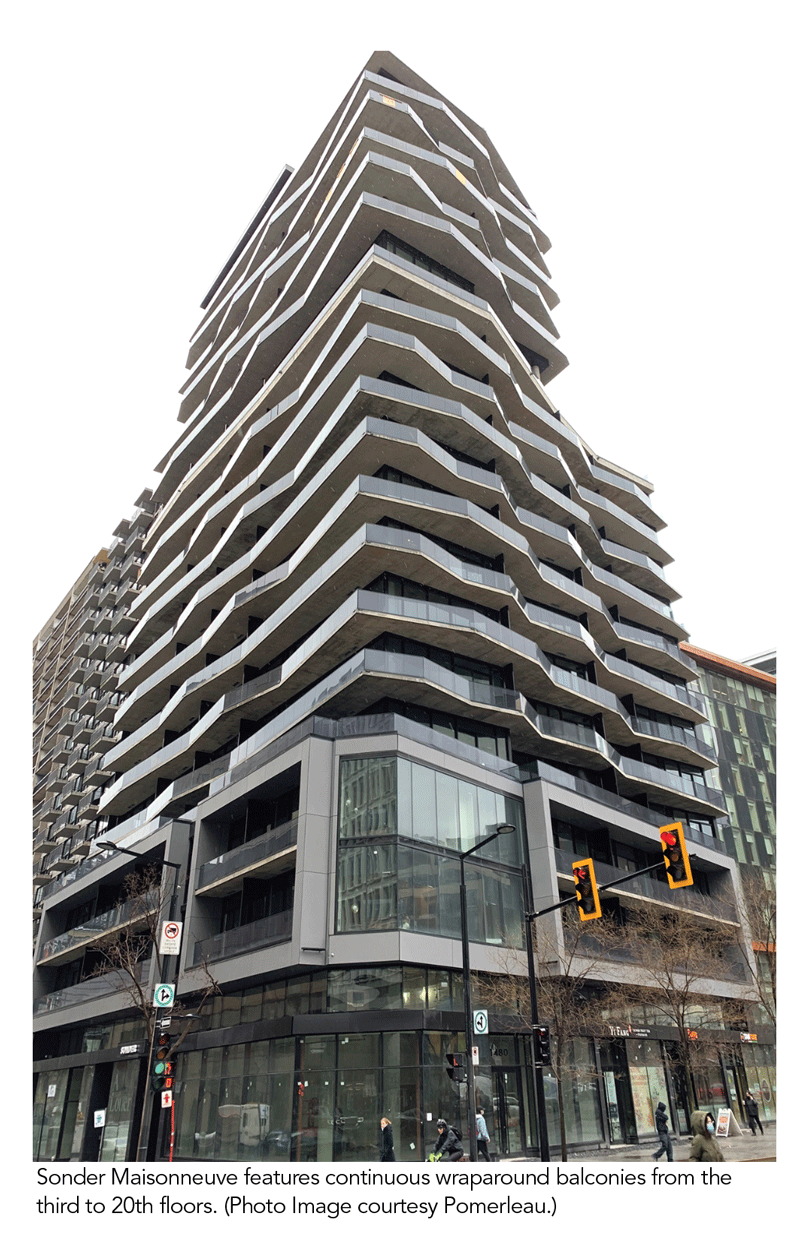
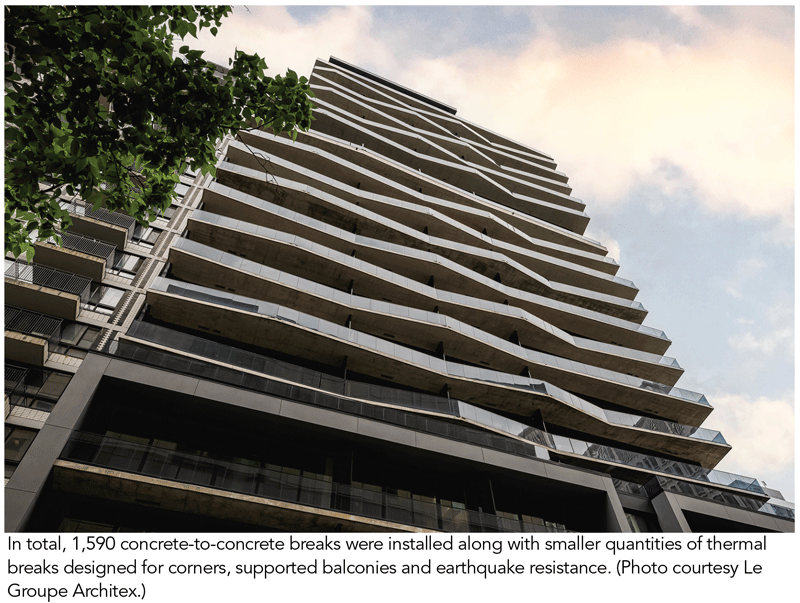
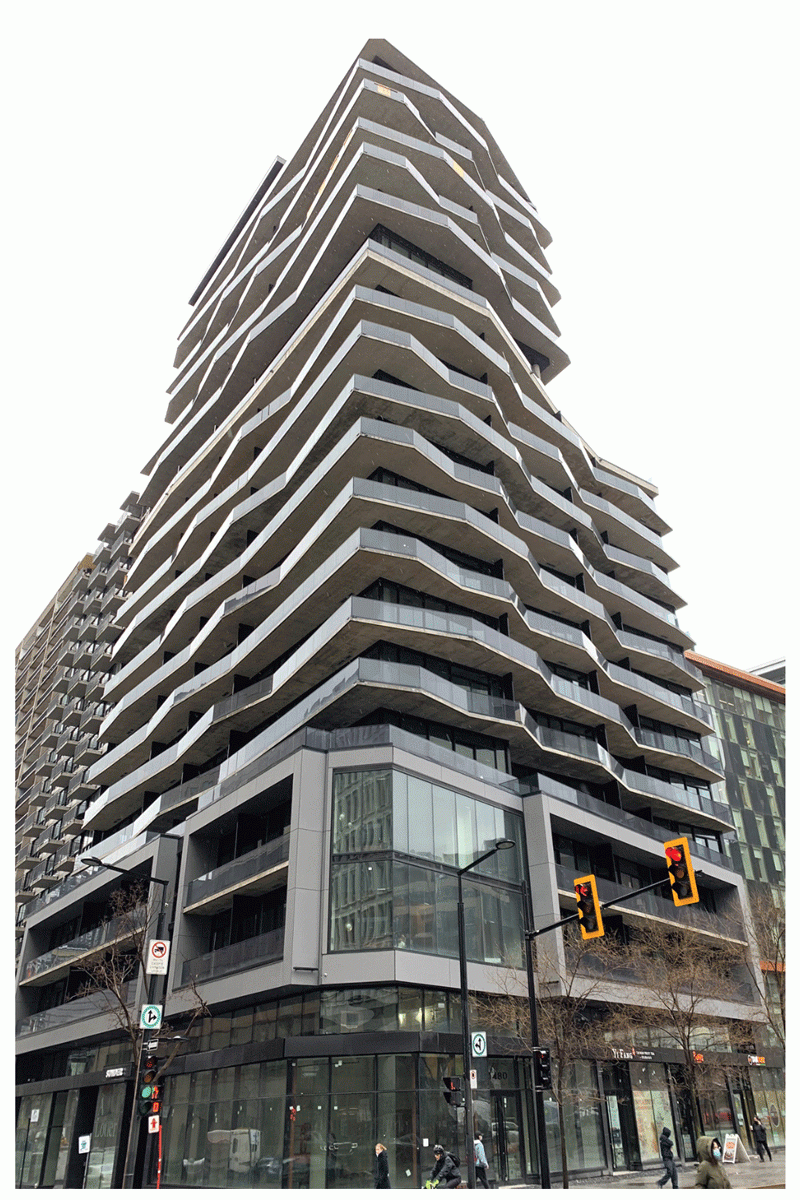
A striking recent example of this trend is Sonder Maisonneuve, an upscale extended stay hotel at 1500 Maisonneuve in downtown Montréal. Completed in the fall of 2021, the project team included Le Groupe Architex, Pomerleau Construction, L2C Structural Engineers, and Desjardins Experts Conseils, a mechanical, electrical and civil engineering firm. The building is owned by Prime Properties and operated by Sonder, an international hospitality company.

Performance Goals and Strategies

The Team instituted a suite of sustainability measures in advance of new requirements set by the National Energy Code of Canada for Buildings (NECB) 2015 and ahead of Montréal’s 46-point action plan established in 2016 targeting carbon-neutrality by 2050. 

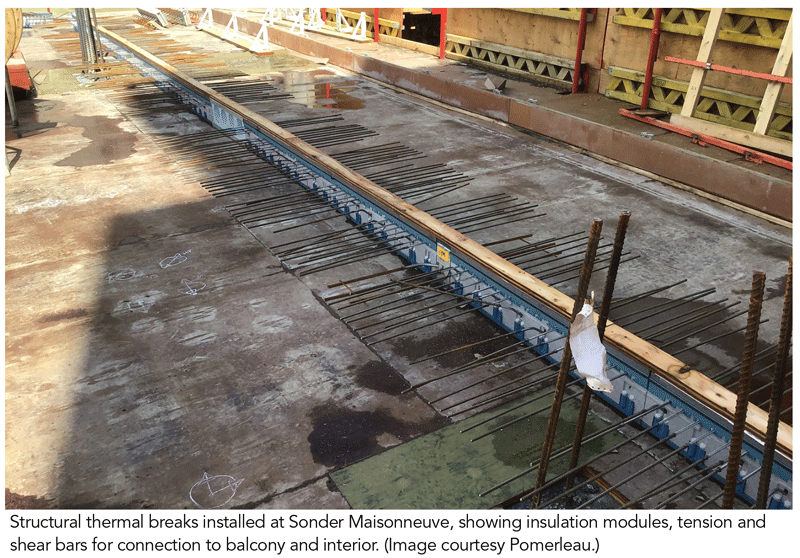
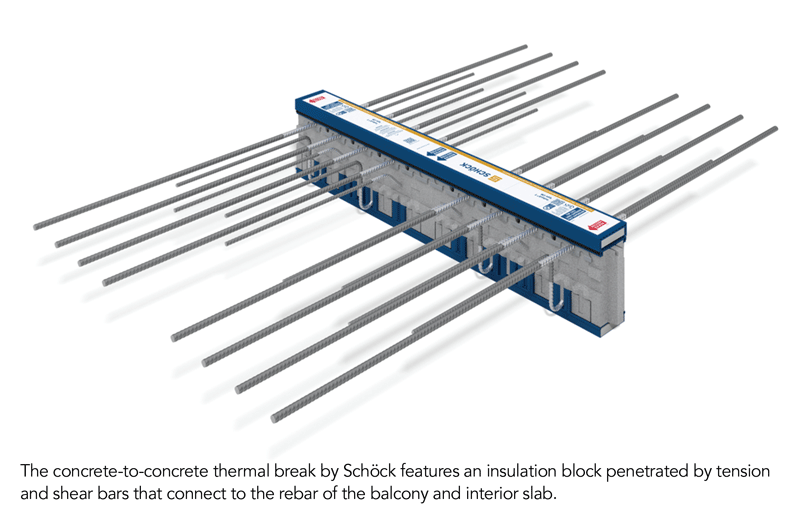
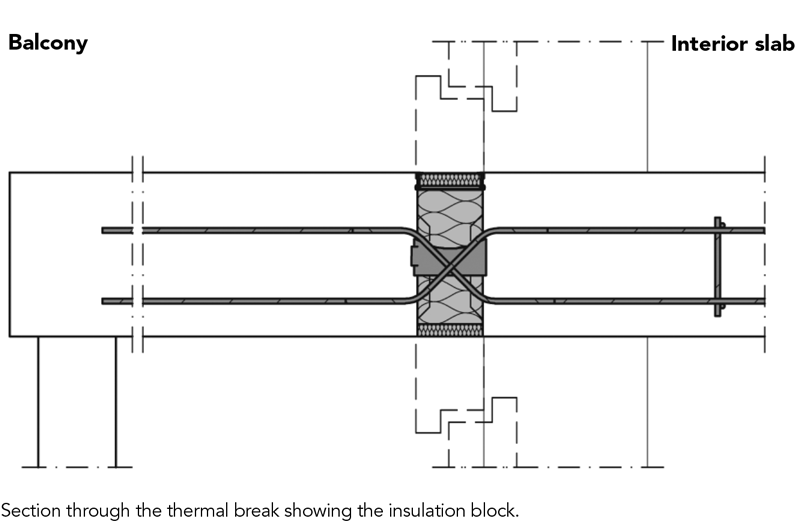
Changes to the NECB include such measures as monitoring electricity use, lighting power density reduction, air ventilation heat recovery, and continuous insulation of the building envelope. In the case of Sonder Maisonneuve, this included insulating exterior walls to R25, and insulating wraparound balconies on 17 floors using 1600m (5,248 ft) of structural thermal breaks.

Mechanical and electrical efficiencies were achieved in part using condensing hydronic boilers with 96% efficiency for central domestic hot water distribution throughout the building. Each apartment is fitted with energy recovery air exchangers for fresh air requirements. For common areas such as corridors, fresh air comes from a gas-fired high-efficiency modulating air handling unit on the roof.

An underground garage ventilation system controls CO/NOx from car exhaust with in-line fans dedicated to each CO/NOx sensor, saving energy by reducing how often the main exhaust fans and fresh air louvres turn on. HVAC serving the 156 dwelling units is provided by high efficiency variable refrigerant volume heat pumps located on the roof. The heat pumps produce heat with a coefficient of performance for heating of 2.8 at an exterior temperature of -8o C. For cooling they provide a seasonal efficiency rating of 17.

Thwarting thermal bridging at wraparound balconies

The 156 furnished studios and one- and two-bedroom apartments feature floor-to-ceiling double-glazed window walls leading onto continuous balconies that encircle the building.  While visually striking, the 2,788 m2 (30,000 sq. ft.) of balconies and 1,600 linear metres (5,248 ft) of window walls posed a risk of thermal bridging, particularly where the concrete floor slabs penetrate the insulated building envelope. With relative humidity of 40-50% typical for occupant comfort, the design team was concerned not only that thermal bridging would cause heat loss but, given Montreal’s extremely cold winters, that condensation could potentially form within the window wall, or other chilled interior cavities adjacent to the balcony connections, leading to mould growth. 

Tracy Dacko, Marketing Manager, Schöck North America.

Photos: Sonder Masionneuve Hotel. Photo courtesy Pomerleau.

SUBSCRIBE TO THE DIGITAL OR PRINT ISSUE OF SABMAGAZINE FOR THE FULL VERSION OF THIS ARTICLE.
CARBON CAPTURE, UTILIZATION & STORAGE

An Industry Strategy for Limiting Carbon Emissions

By Alfredo Carrato

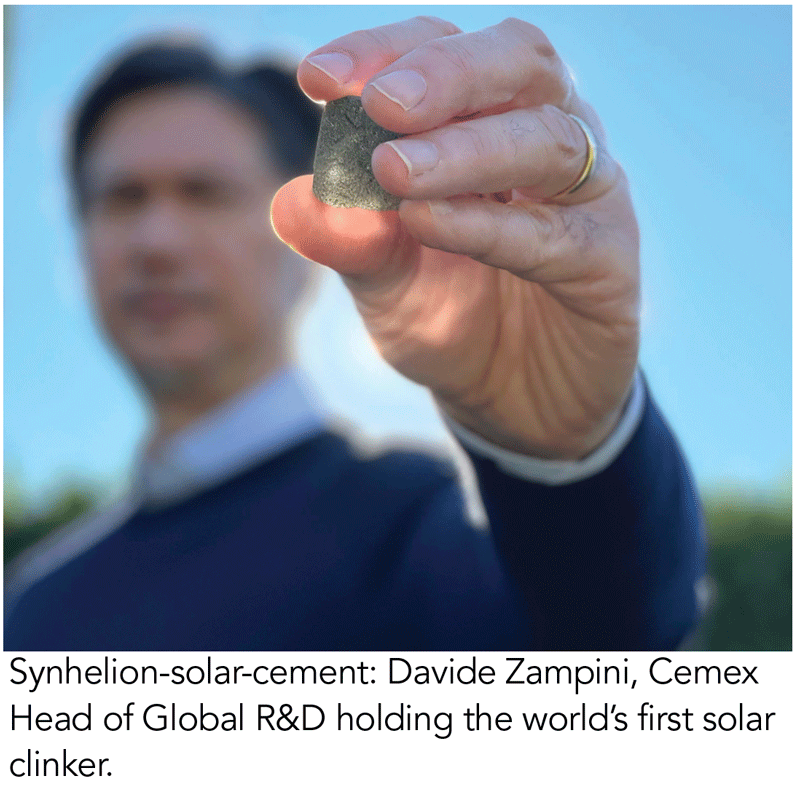
When it comes to limiting the amount of carbon emissions globally responsible for advancing climate change, the construction sector has a substantial role to play. Overall, construction is responsible for more than one-tenth of total carbon emissions around the world, and a large portion of this carbon footprint comes from the manufacturing of building materials such as cement, the second-most consumed material in the world after water.

However, the past decade or so has seen significant advancements in methodologies for reducing carbon emissions in the cement production process. One of the most promising and rapidly growing methodologies is called Carbon Capture, Utilization, and Storage (CCUS), representing a suite of technologies designed to prevent the carbon dioxide that manufacturing processes produce from going into the atmosphere.

Several leading organizations, such as the International Energy Agency, the International Renewable Energy Agency, and the Intergovernmental Panel on Climate Change, have released long-term initiatives that rely on the expansion of CCUS to limit the global temperature rise to just 1.5 degrees Celsius. The IEA has also cited CCUS among the most cost-effective options for the decarbonization of carbon-heavy industries, many of which operate across the construction value chain.

Before outlining the specific CCUS methodologies that are gaining real momentum today, it’s important to clarify exactly how it works and the various ways it promises to lower the carbon impact of cement production.

What is CCUS?

Carbon emissions are an unavoidable byproduct of traditional cement production. This is because a core component of Portland cement – the most widely used cement today – is limestone. When this mineral is heated, the carbon trapped inside the limestone is usually released.

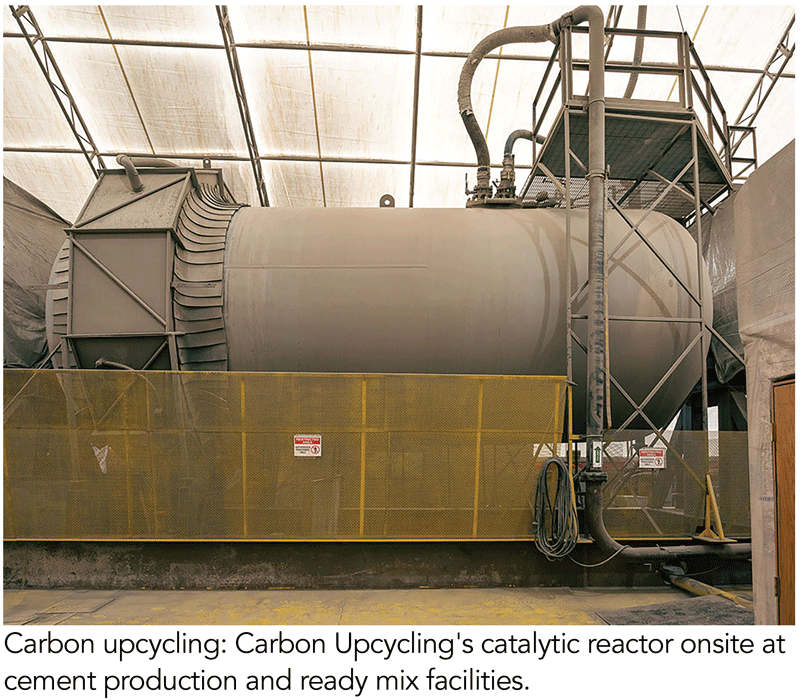
CCUS allows cement manufacturers to capture this carbon byproduct from points of emission within the manufacturing facilities or directly from the air. Such captured emissions can then be safely stored underground in geological formations, injected into concrete to strengthen it, or used to make other valuable products.

Companies leveraging CCUS

Though CCUS has only gained widespread attention fairly recently, the technology has been achieving real results for several decades. In 1996, the first large-scale CCS project was commissioned at the Sleipner offshore gas facility in Norway. At Sleipner and Snøhvit, another leading project in Norway, over 20 million tons of CO2 have been safely stored to date.

Today, more than 30 cement CCUS projects are in different development stages worldwide, the majority of which are based in Europe. In the United States, the U.S. Department of Energy is currently conducting feasibility studies for multiple projects in California, Colorado, Texas, Missouri and Indiana, among others. However, much of the CCUS progress worldwide is taking place at the startup level, often thanks to collaborations with sustainability-focused venture capital firms.

In England, a startup called Carbon Clean has developed proprietary technology that captures carbon emissions from the flue gas that gets released through a cement plant’s smokestack. The technology is currently in use at cement facilities in several countries such as India and more recently Germany, where the goal is to standardize carbon capture and achieve cost-competitive carbon neutrality across so-called hard to abate industries before 2030.

This is just one of the myriad CCUS-related startups that has garnered considerable venture funding as of late, which reflects the increasing prioritization of sustainability in the global construction sector.

Challenges for CCUS

The biggest drawbacks to CCUS are the high upfront capital costs for the equipment to separate the carbon, the high energy costs of keeping the equipment running, and the costs related to transportation and safe storage of the captured CO2. According to a recent report from the U.S. Department of Energy, to cover these expenses a cement manufacturing organization would need to spend another $22 to $55 for every metric ton of cement produced.

Alfredo Carrato is a trained architect, BIM enthusiast and college professor who scouts for breakthrough decarbonization technologies for the construction industry. As an Investment and Open Innovation Advisor, he oversees investment activities and partnerships at Cemex Ventures, with a focus on tackling the carbon footprint challenge of the construction sector.

SUBSCRIBE TO THE DIGITAL OR PRINT ISSUE OF SABMAGAZINE FOR THE FULL VERSION OF THIS ARTICLE.

CENTENNIAL COLLEGE: A-BUILDING EXPANSION

LEED Gold, net-zero carbon, and WELL certifications signify huge commitment to sustainability

By Craig Applegath

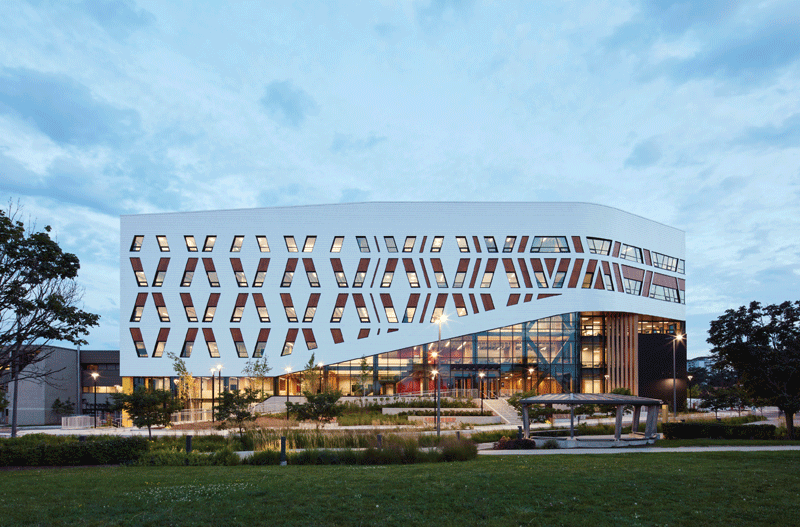
Established in 1966, Centennial College of Applied Arts & Technology is the oldest publicly funded college in Ontario.  A-Building is situated on the Progress Campus in Scarborough, about 25km east of Downtown Toronto.

The city of Toronto is located on the traditional territory of many nations including the Mississaugas of the Credit, the Anishnabeg, the Chippewa, the Haudenosaunee and the Wendat peoples and is now home to many different First Nations, Inuit and Métis peoples. This contributes to the cultural diversity of Centennial College; whose faculty and students speak more than 80 different languages.

Context and Concept

Centennial College envisioned its A Building Expansion as a living embodiment of Chief R.

Stacey Laforme’s inspirational book Living in the Tall Grass: Poems of Reconciliation.  The design response to this challenge is a celebration of the Mi’kmaq concept of “Two-Eyed Seeing” which harmonizes Indigenous wisdom and Western perspectives. 

The A-Building Expansion, which houses the School of Engineering Technology and Applied Science programs completes the truncated corner of the site, forming a gateway into the campus. A new urban edge & landscaped area planted with biologically indigenous plant species enhances the public realm.

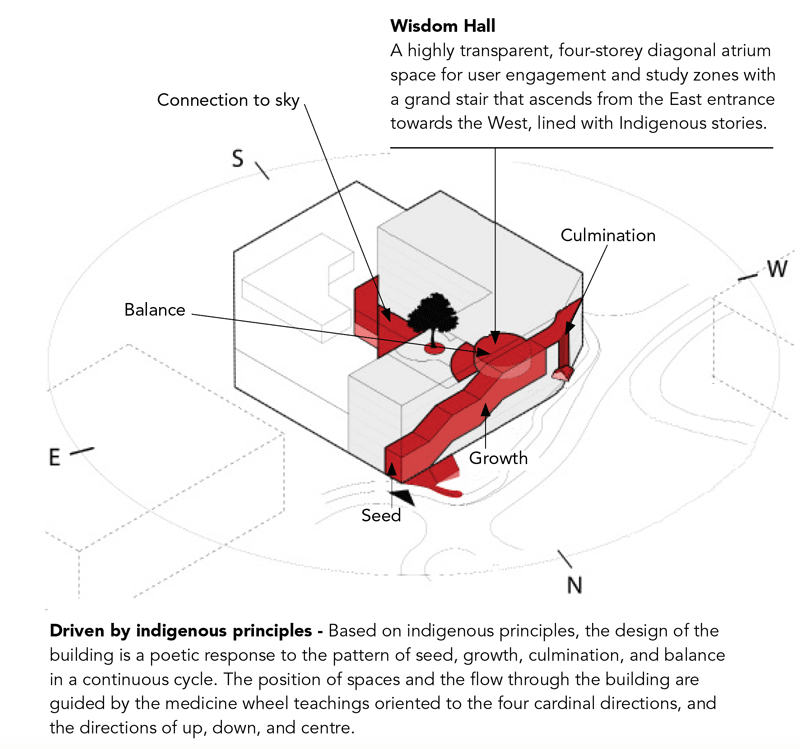
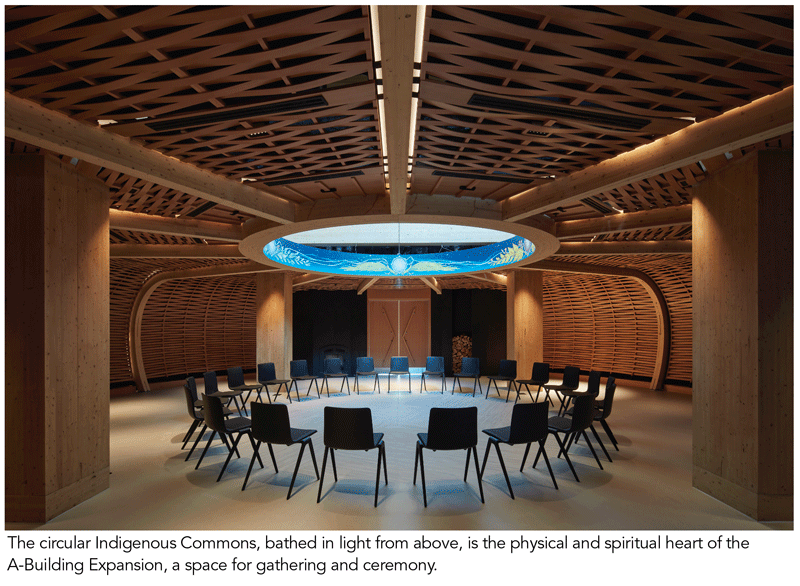
The prominent north & west facades act as a tool for storytelling, visually symbolizing the aspirations of the institution. Designed to embody the Indigenous concepts of the four-colour medicine wheel and the seven directions, the building also visually signals the coming together of Indigenous and Western aesthetics.

Program

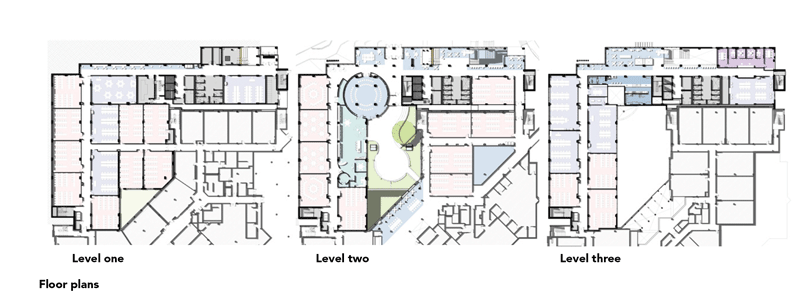
The A Building Expansion sits lightly on the land, and is aligned with the four cardinal directions. The main entrance opens to the East, echoing the traditional approach of a longhouse. In this six storey structure, the lower three floors contain flexible and accessible classrooms, labs, informal learning spaces and food services; while the upper three floors contain flexible workspaces for Faculty and Staff specifically planned for collaboration and student engagement. The building also surrounds an exterior courtyard that serves as an outdoor classroom for teaching in the round. Designed for inclusivity, the facility also incorporates universal Washrooms, lactation rooms, and a multi-faith space to meet the needs of all occupants.

Structure, Form and Materials

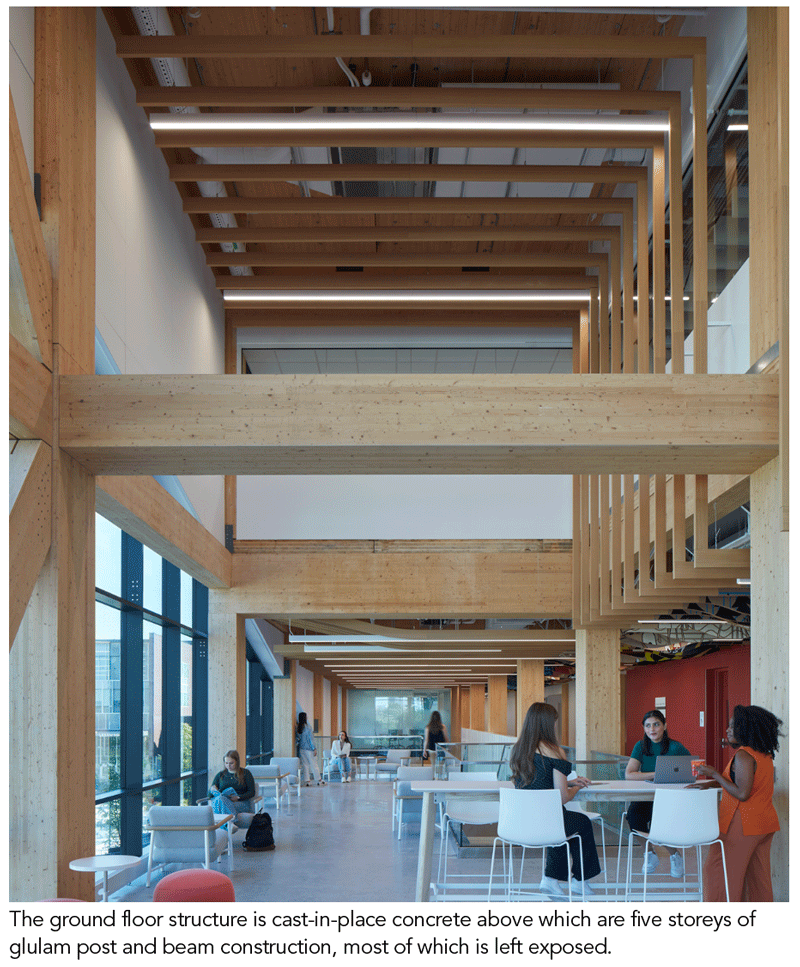
The ground floor structure is cast-in-place concrete, above which are five storeys of glulam post and beam construction, with CLT floor panels with concrete topping. Much of the mass timber structure is left exposed.

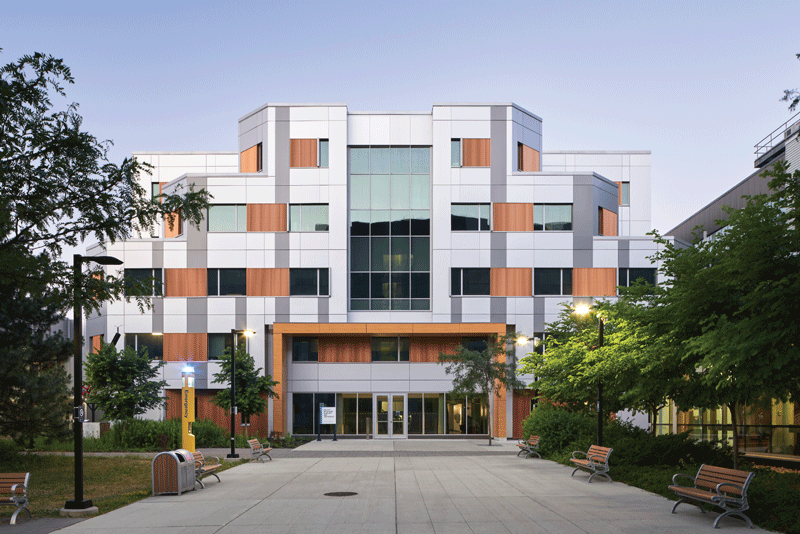
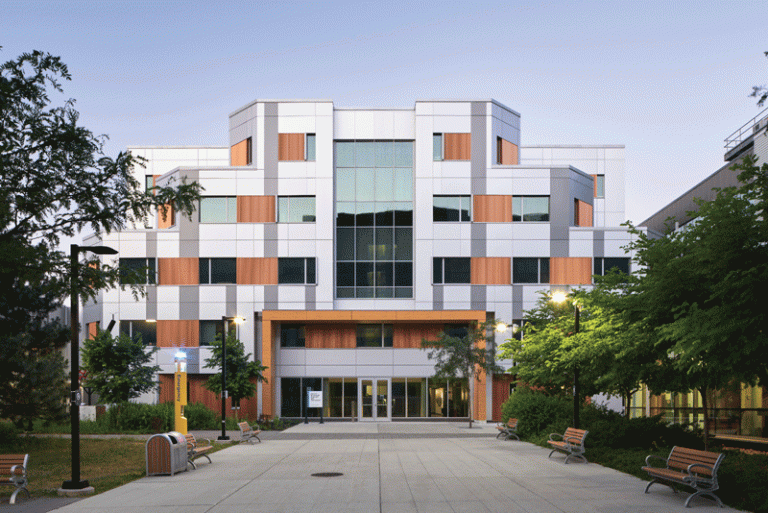
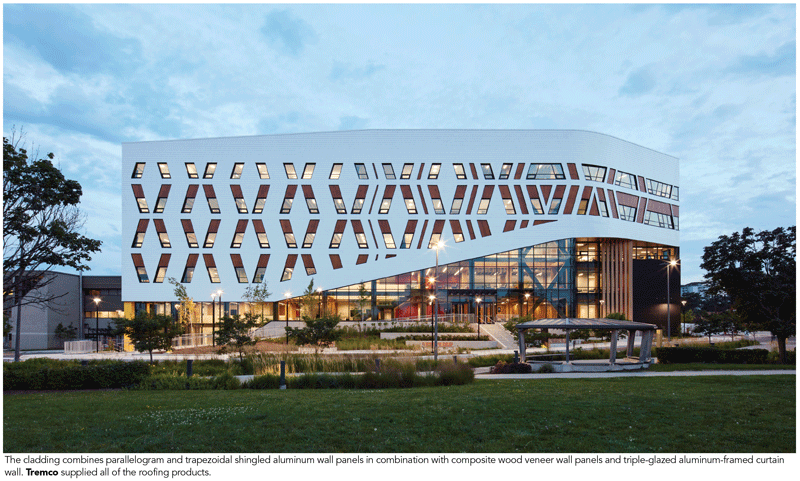
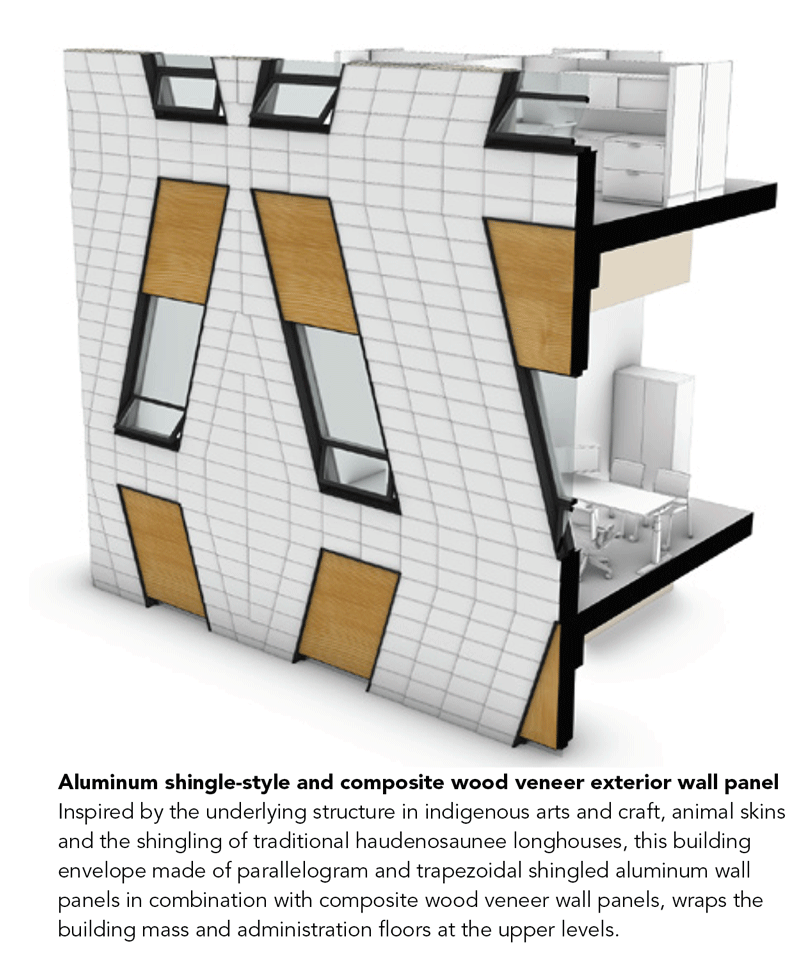
The geometry of the exterior envelope is inspired by the underlying structure in indigenous arts and craft, animal skins and the shingling of traditional haudenosaunee longhouses.  The cladding combines parallelogram and trapezoidal shingled aluminum wall panels in combination with composite wood veneer wall panels, which wrap the building mass and administration floors at the upper levels.  The envelope of the classroom block complements and balances the architectural form, grounding the building through the west of the site. It is clad in large and elegant anthracite grey solid phenolic wall panels.

Large areas of triple glazed aluminum framed curtain wall reveal the underlying wood structure, exposing student, staff and faculty life while alluding to the drawing back of the skins over a traditional Haudenosaunee wigwam frame in response to seasonal temperature changes. 

Interior Design

Internally, the plan is organized along Wisdom Hall, a highly transparent, 4-storey diagonal atrium space for user engagement & study zones with a grand stair that ascends from the East entrance toward the West, lined with Indigenous stories

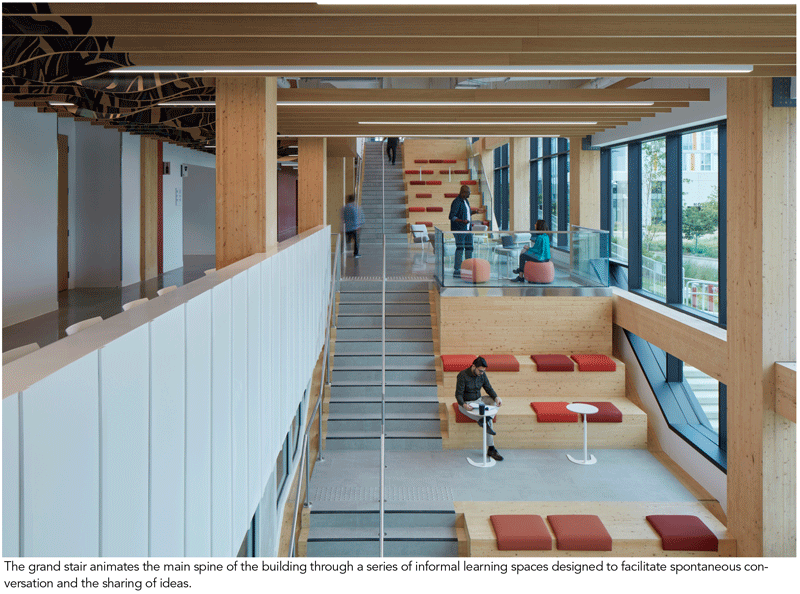
Entering the building from the East, students ascend the grand stair, animating the main spine of the building through a series of informal learning spaces designed to facilitate spontaneous conversation and the sharing of ideas.

Reaching the top at Level 3, the stair culminates at a large Student hub and café that showcase Indigenous food offerings, allowing students to experience Indigenous culture through its cuisine.

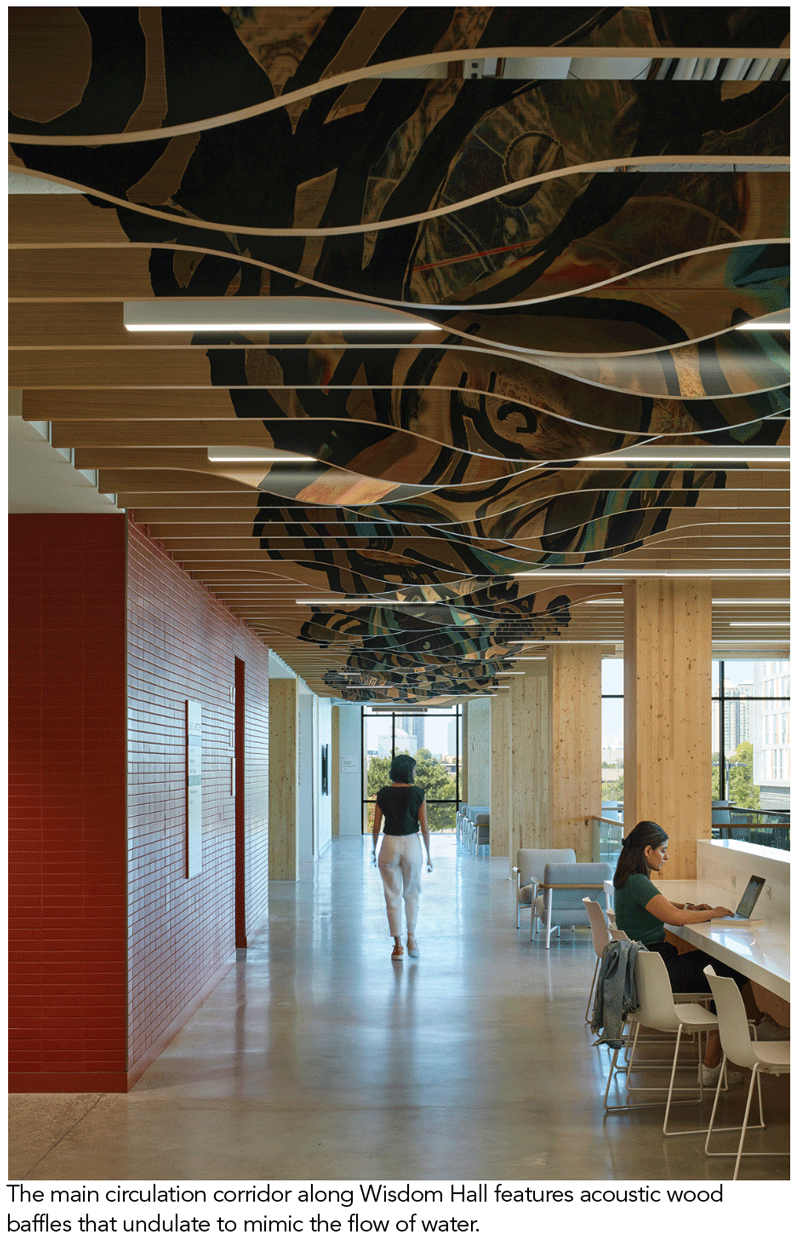
The main circulation corridor along Wisdom Hall features acoustic wood ceiling baffles that undulate to represent the flow of water, a key element that is richly woven through Indigenous stories, customs, and heritage. On each side of the baffles, commissioned artwork tells a Creation Story. Students may learn the story of the Anishinaabe as they walk West to class and the story of Haudenosaunee on their return towards the East.

The cladding combines parallelogram and trapezoidal shingled aluminum wall panels in combination with composite wood veneer wall panels. Tremco supplied all of the roofing products.

Project Performance

  • Energy intensity (building and process energy) = 106 KWhr/m²/year
  • ANNUAL ON-SITE RENEWABLE ENERGY EXPORTED = 69,000 kWh/year
  • ANNUAL NET ENERGY USE INTENSITY = 98 kWh/year
  • Energy savings relative to OBC SB-10 reference building = 40%
  • Annual Energy Cost (ECI) = $14/m²/year

Project Credits

  • Owner/Developer  Centennial College
  • Architect  DIALOG Architects and Smoke Architecture Project Manager  Colliers
  • Design/Build Contractor Ellis Don
  • Landscape Architect  Vertechs Design
  • Civil Engineer Walter Fedy
  • Mechanical & Electrical Engineer  Smith + Andersen
  • Structural Engineer  RJC Engineers
  • Photos  James Brittain

SUBSCRIBE TO THE DIGITAL OR PRINT ISSUE OF SABMAGAZINE FOR THE FULL VERSION OF THIS ARTICLE.
Waterfront Innovation Centre

Transformative project targets LEED Platinum

By Peter Kurkjian and David Copeland

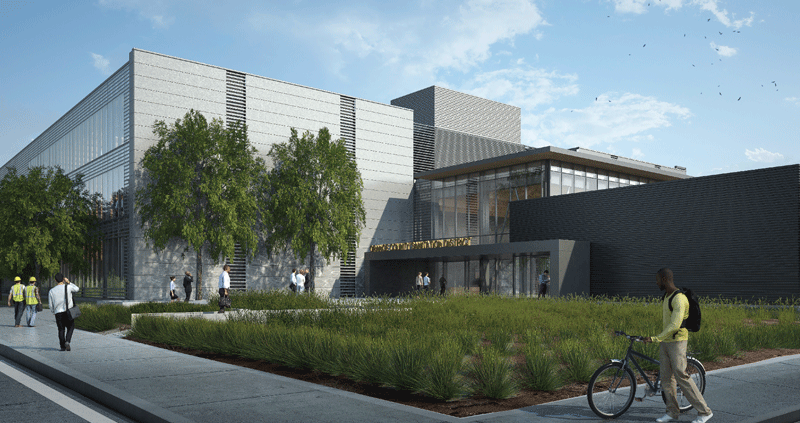
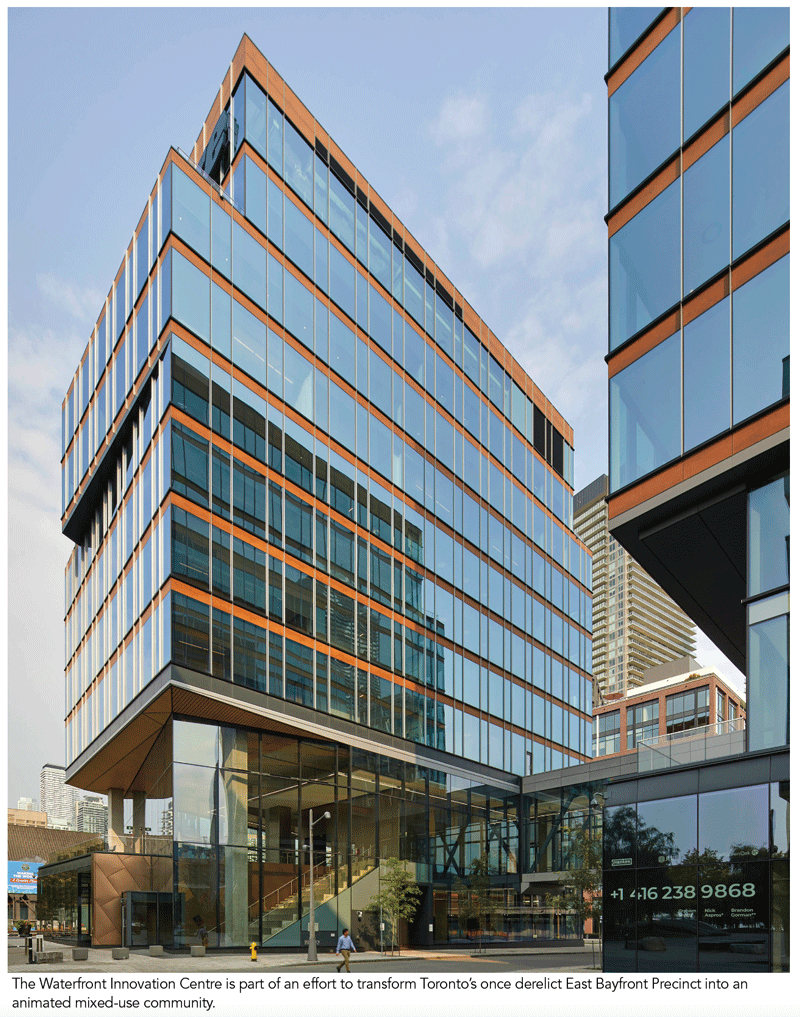
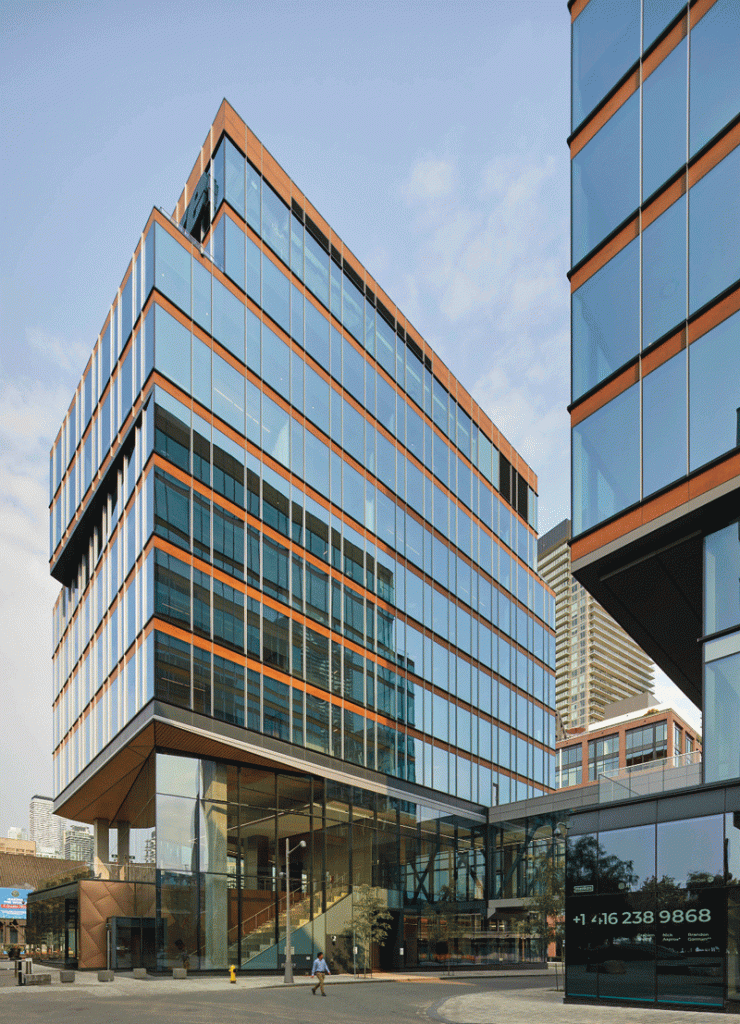
The Waterfront Innovation Centre (WIC) was born out of a competition by Waterfront Toronto in 2015 with the intention of transforming Toronto’s once derelict East Bayfront Precinct into an animated mixed-use community. WIC is a purpose-built commercial development that caters to Toronto’s growing technology and media sectors.

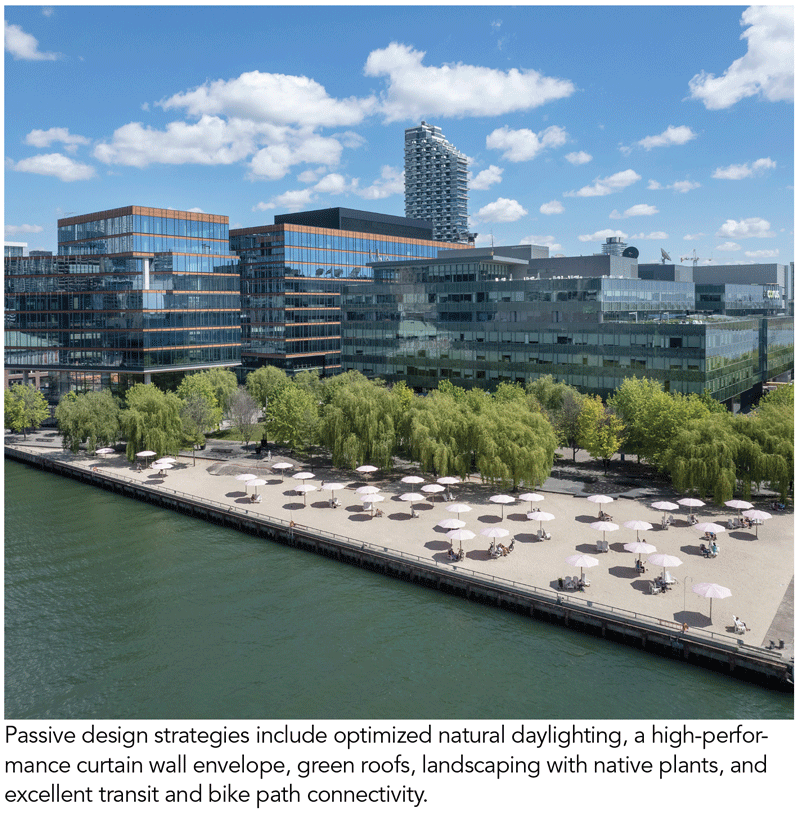
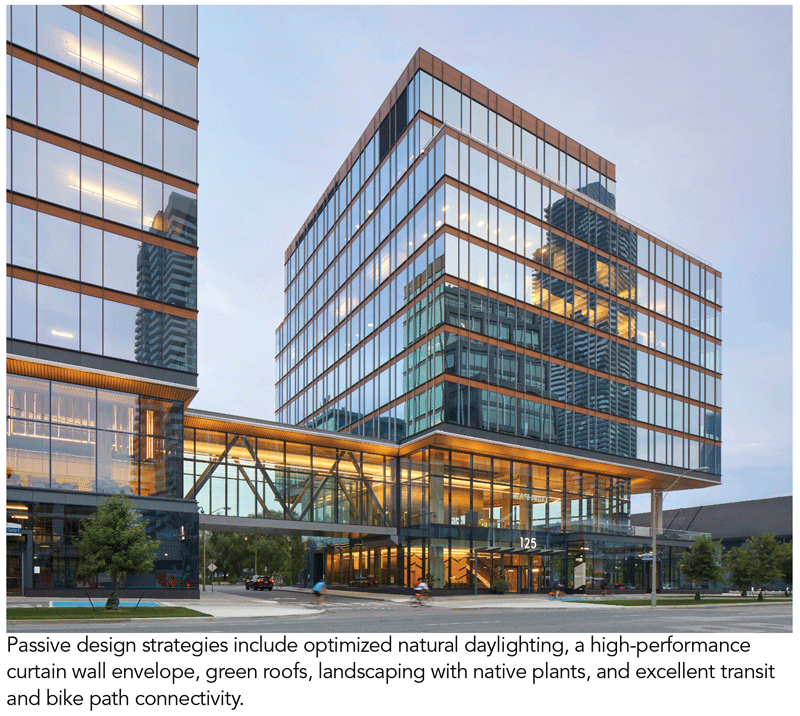
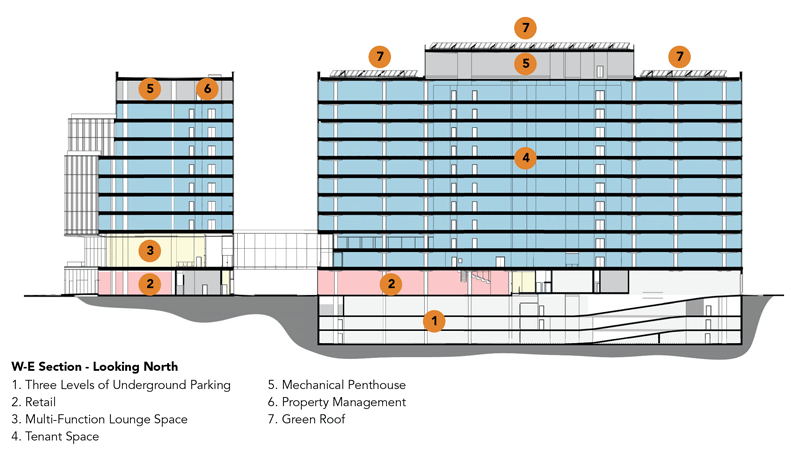
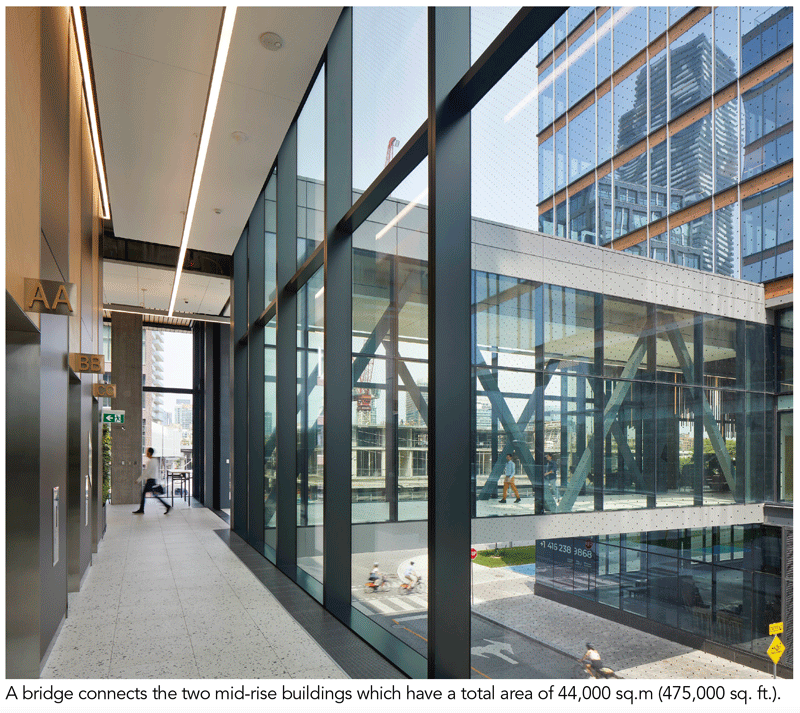
The project consists of two mid-rise buildings connected by a bridge, with a total area of 44,000 sq.m (475,000 sq. ft.). Passive design strategies include optimized natural daylighting, a high-performance curtain wall envelope, green roofs, landscaping with native plants, and excellent transit and bike path connectivity. Active systems include on-site energy generation with an array of solar panels, underfloor air distribution systems, connection to the Enwave deep water cooling district network, and rainwater harvesting. It has achieved LEED v4.1 Platinum certification (Core and Shell), one of Canada’s first developments to achieve this rating.

WIC features three distinct programmatic areas, the ‘Hive’, which is an adaptable, high-performance workplace with unobstructed planning flexibility. The ‘Exchange’, which features gathering areas, labs, and workspaces, and ‘The ‘Nexus’, which converges all three. The Nexus is a light-filled space for both the public and the buildings’ tenants.

Both of WIC’s ’ main entrances feature amphitheatre-styled seating that extends from ground level up to The Nexus. Spanning both buildings, the Nexus houses two expansive lounges with multi-use seating and tables, event space with high-tech meeting areas, 3 cafes, breakout areas and public washrooms.  By providing a distinctive, welcoming and easily accessible interior amenity, the Nexus becomes an extension of the public realm, and invites the public and building users to interact in a readily adaptable space. Retail spaces open out onto the adjacent park frontages and streets.

Externally, native species were used as they are more resilient, promote water conservation and stormwater management, as well as supporting greater biodiversity. A partial green roof filters rainwater and reduces the heat island effect.

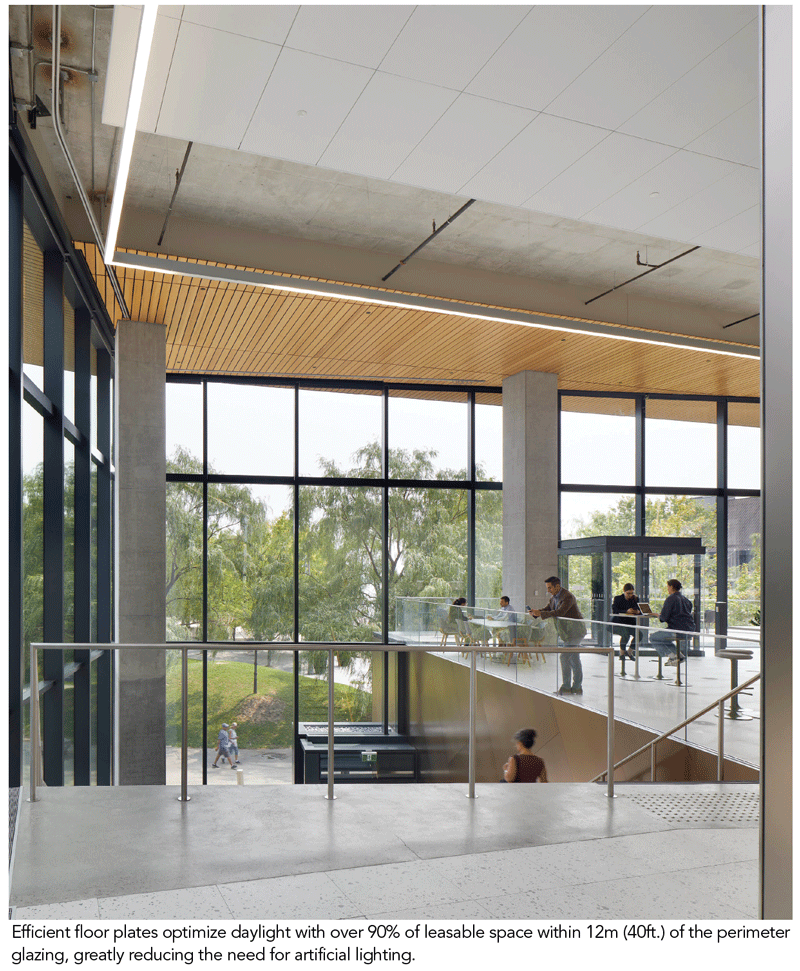
Efficient floor plates optimize daylight, with over 90% of leasable space within 12m (40ft.) of the perimeter glazing. As a result, during 85% of annual working hours, artificial lighting is not required.  Photo-electric sensors along the perimeter take advantage of daylight harvesting, and high-performance glazing with a low Solar Heat Gain Coefficient assists in reducing thermal gains.

The Underfloor Air Distribution (UFAD) system has individual, user-controlled diffusers at floor level which circulate clean air from below. This provides comfort by eliminating thermal stratification and improves indoor air quality, with stale air rising above the occupied zone to be replaced by fresh air from below.

The UFAD system supplies low pressure, individual user-controlled ventilation at lower energy than conventional overhead systems. Coupled with a heat recovery system for all ventilation air, high efficiency boilers, and variable frequency drive pumps, WIC achieves a 49% reduction in winter heating and 23% reduction for summer cooling over baseline. The energy reduction is aided by site-generated renewable energy in the form of a 253-kW photovoltaic system located on the roof, supplying 5% of the building’s required energy. An integrated demand-response program allows the building to make operational adjustments before peak demand, reducing  stress on the Ontario electrical grid.

Trane equipment is used extensively in the ventilation system, in the chilled water and hot water systems, in the stormwater system, and in the underfloor air distribution system.

Project Performance

  • Energy Use Intensity (building and process energy) = 172.11KWhr/m²/year
  • Energy intensity reduction relative to reference building under ASHRAE 90.1 2013 = 10%
  • Water consumption from municipal sources = 4247.7 litres/occupant/year
  • Reduction in indoor water consumption relative to reference building under LEED = 42%
  • Reduction in outdoor water consumption
  • relative to reference building under LEED = 62%
  • Recycled material content by value = 20%
  • Regional materials (160km radius) by value = 20%
  • Construction waste diverted from landfill = 81%

Project Credits

  • Owner/Developer  Menkes Developments
  • Architect  Sweeny&Co Architects Inc
  • General Contractor  EllisDon
  • Landscape Architect  Janet Rosenburg Studio
  • Civil Engineer  Stantec
  • Electrical Engineer  Mulvey & Banani
  • Mechanical Engineer  The Mitchell Partnership
  • Structural Engineer  Stephenson Engineering
  • Interior Design (Landlord spaces)  Sweeny&Co Architects Inc
  • Commissioning Agent  JLL
  • LEED Consultant  Green Reason
  • Photos  Tom Arban, Paul Cassselman Photography

Peter Kurkjian, Senior Associate and David Copeland, Associate, both of Sweeny & Co, were project architect and project manager, respectively, on the design team for the project.

SUBSCRIBE TO THE DIGITAL OR PRINT ISSUE OF SABMAGAZINE FOR THE FULL VERSION OF THIS ARTICLE.
THE WELLINGTON

THE WELLINGTON

Good design and high performance break stereotype of affordable housing

By Stephen Kopp

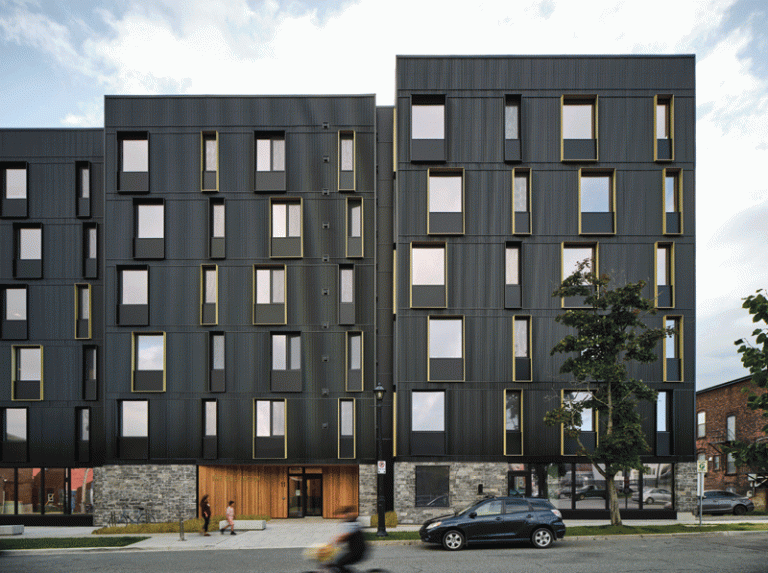
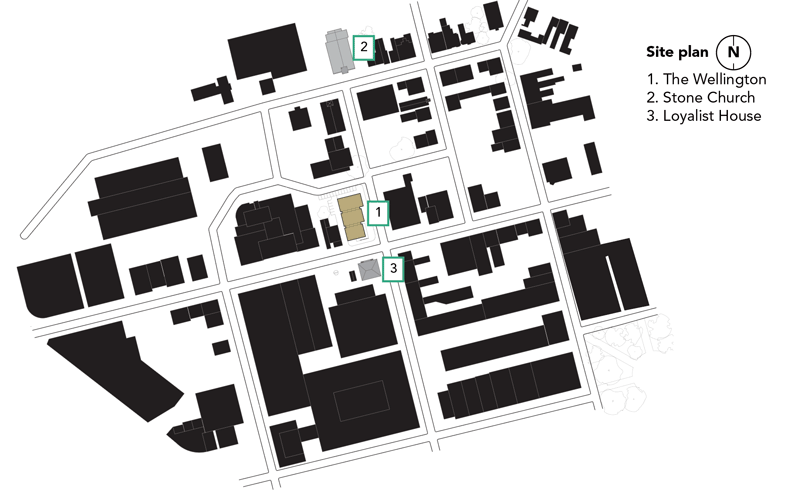
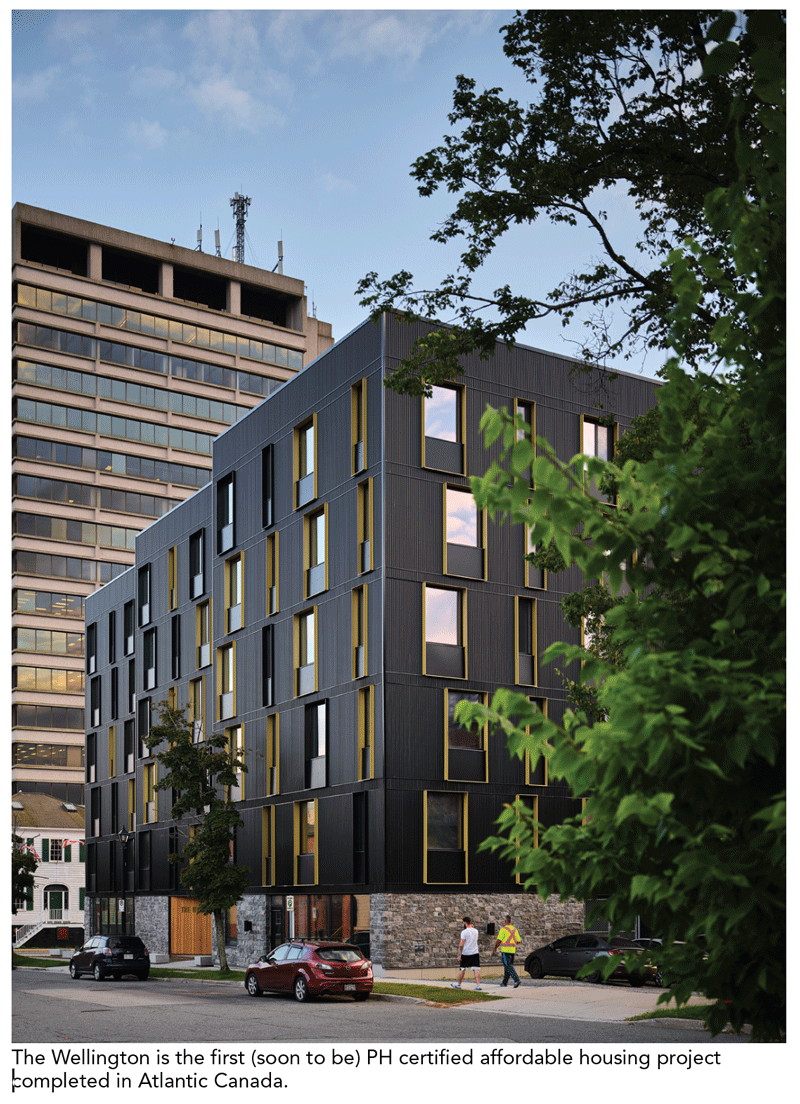
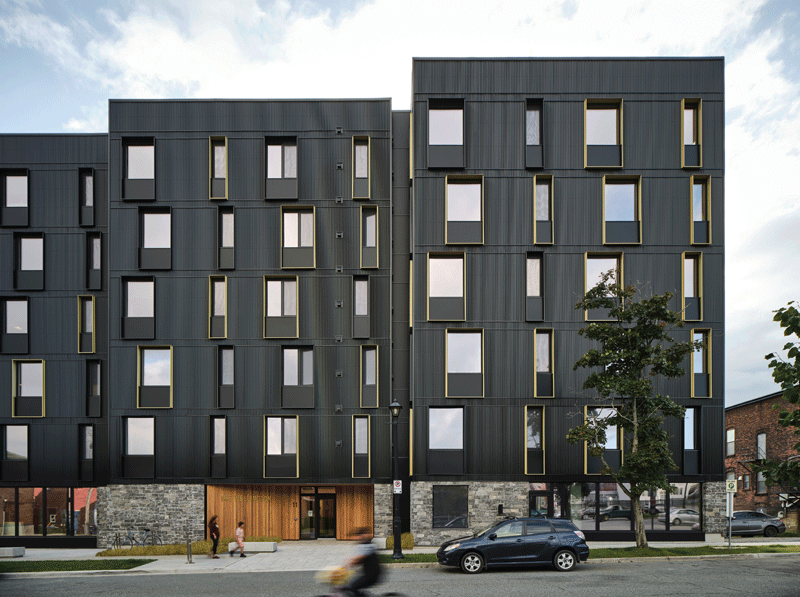
Located at the historic intersection of Union & Wellington streets in the heart of Saint John, The Wellington is a 6-storey mixed-use development, with ground floor commercial space and 5 upper floors containing a total of 47 affordable and market rate apartment units.

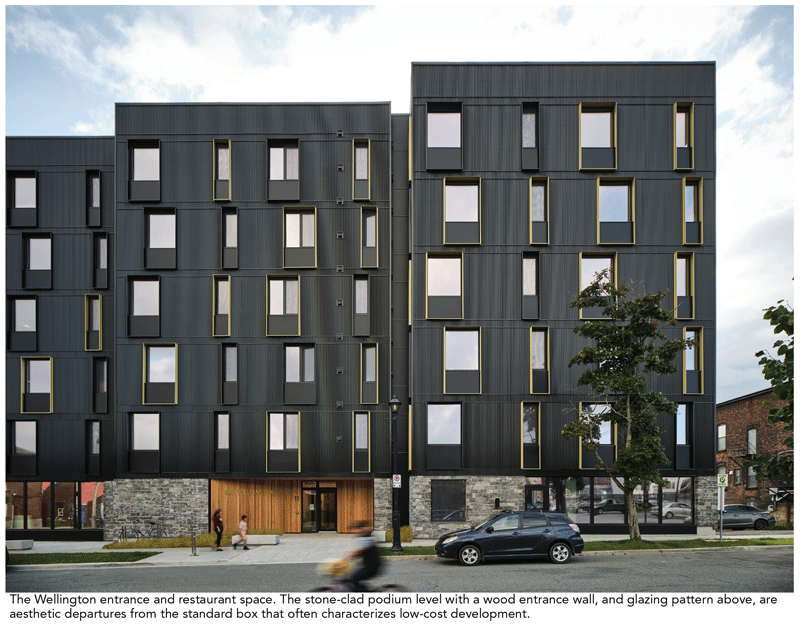
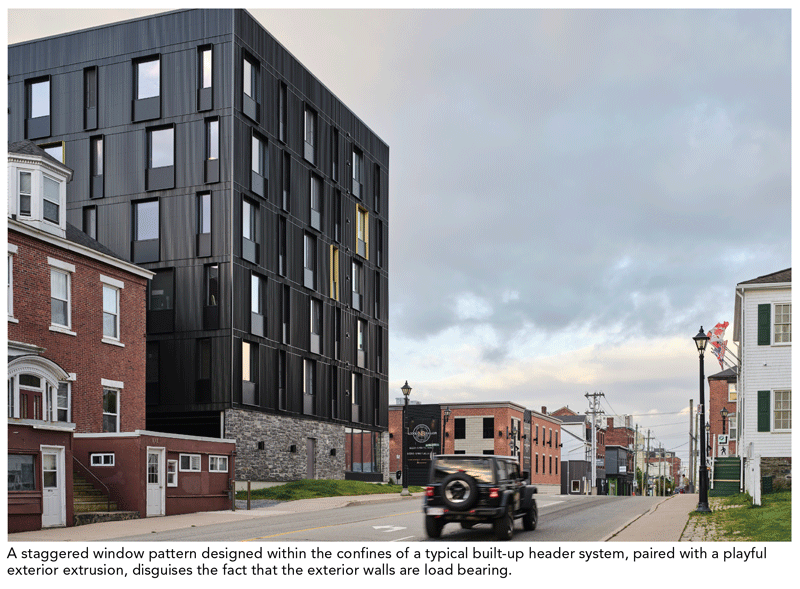
On a tight urban site, the building massing steps back in three volumes to reveal the neighbouring landmark Loyalist House, views of historic church towers on Germain Street, and the leafy maples of Queen Square in the distance. A quarried stone-clad podium level with a wood entrance wall, together with the striking glazing pattern above are aesthetic departures from the standard box that often characterizes low-cost development. In the city of Saint John 22.5% of people live in poverty.

There are many barriers to people breaking the cycle of poverty, at the heart of which is access to affordable housing. Affordable housing projects often look low-cost, resulting in residents being further ostracized by their communities. These realities reinforce acre Architects’ conviction that modern housing should encompass sustainability, affordability and accessibility, and at the same time counter the stereotype that affordability and good design are mutually exclusive.

DESIGN APPROACH

Designed to international Passive House standards, The Wellington is the first (soon to be) PH certified affordable housing project completed in Atlantic Canada.

The building employs the main tenets of Passive House design, and while not unique in its approach, the building exceeded performance expectations during its multiple testing periods. As such, it has set an important precedent for the Maritimes.

In keeping with Passive House standards, Acre Architects created an envelope with a balance of airtight design, high insulation value, and carefully considered window details.

Beyond the base wall assembly, which achieves a min. R-value of 55 for the roof and 37 for the walls, coordination with mechanical and electrical consultants was critical to minimize penetrations through the building envelope.

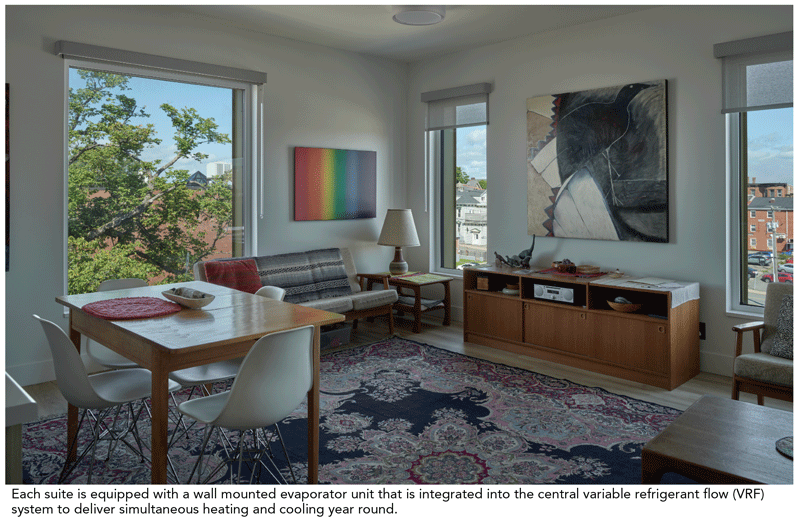
Internally, the heating and cooling system for the Wellington employs a highly efficient variable refrigerant flow (VRF) design that is able to deliver simultaneous heating and cooling year round. Each suite is equipped with a wall mounted evaporator unit that is integrated into the central VRF system.

The system is able to meet the heating targets even on the coldest days of the year. On exceptionally cold days, the building is equipped with electric baseboard heaters that supplement the heating load if required.

PROJECT CREDITS

  • OWNER/DEVELOPER Saint John Non-Profit Housing Inc.
  • ARCHITECT Acre Architects
  • GENERAL CONTRACTOR John Flood & Sons Construction
  • COMMISSIONING (PHIUS VERIFICATION) RDH Building Science
  • ENERGY MODELLING ZON Engineering
  • LANDSCAPE ARCHITECT Brackish Landscape Studio
  • CIVIL ENGINEER Fundy Engineering & Consulting
  • ELECTRICAL/ MECHANICAL ENGINEER Fundy Engineering & Consulting
  • STRUCTURAL ENGINEER Blackwell Structural Engineers
  • FIRE PROTECTION RJ Bartlett Engineering Ltd.
  • PASSIVE HOUSE CONSULTANT Zon Engineering
  • PHOTOS Julien Parkinson

PROJECT PERFORMANCE

  • ENERGY INTENSITY REDUCTION RELATIVE TO REFERENCE BUILDING
  • (DESIGN CALCULATION UNDER 2015 NECB) = 57% 
  • ENERGY INTENSITY (HEATING AND COOLING) = 10.1 KWhr/m2/year
  • ENERGY INTENSITY (HEATING) = 6.8 KWh/m2/year
  • ENERGY INTENSITY (COOLING) = 3.2 KWh/m2/year

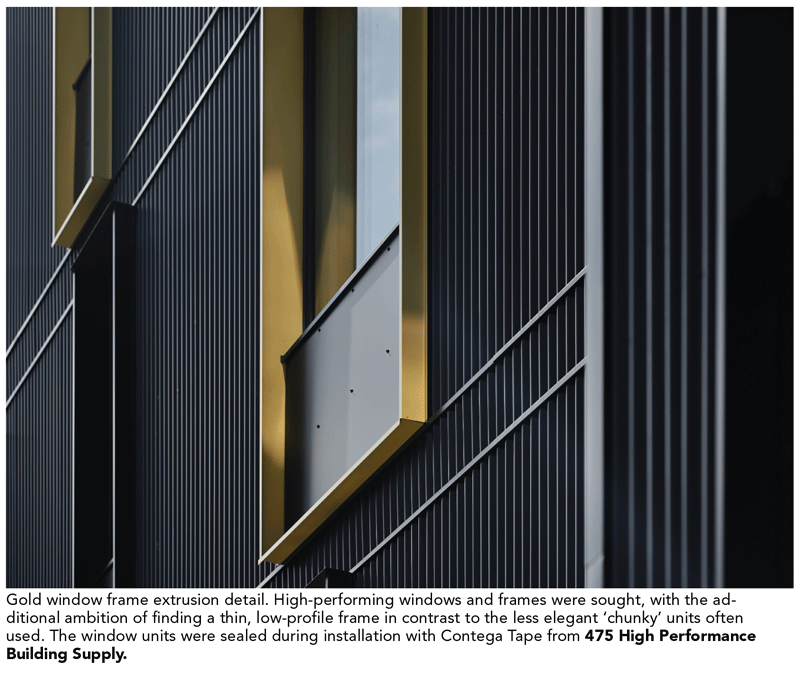
Gold window frame extrusion detail. High-performing windows and frames were sought, with the additional ambition of finding a thin, low-profile frame in contrast to the less elegant ‘chunky’ units often used. The window units were sealed during installation with Contega Tape from 475 High Performance Building Supply.

SUBSCRIBE TO THE DIGITAL OR PRINT ISSUE OF SABMAGAZINE FOR THE FULL VERSION OF THIS ARTICLE.

INTERVIEW WITH

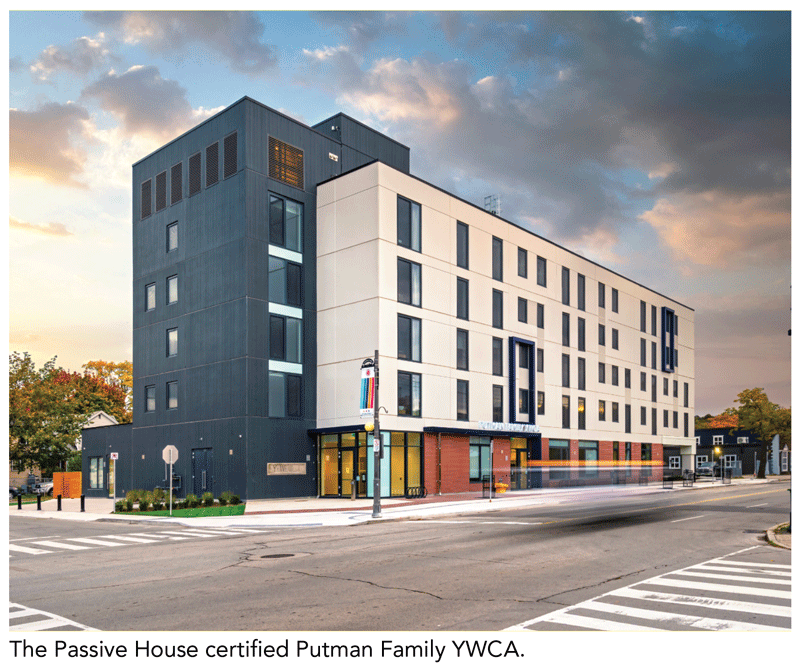
Irene Rivera and Esther van Eeden: Designing the Passive House Putman Family YWCA

Irene Rivera, associate architect, and Esther van Eeden, director of high-performance buildings, at Kearns Mancini Architects in Toronto (kmai.com), were part of the design team of the Passive House certified Putman Family YWCA in Hamilton which received the Technical Award in the SABMag 2023 Canadian Green Building Awards, https://sabmagazine.com/2023-winners-sabmag-canadian-green-building-awards/

1. Kearns Mancini had completed some Passive House projects previously, but why did you recommend Passive House construction for this project?

Beyond energy efficiency, KMAI sees Passive House as a pathway to resiliency and social equity. During early client presentations on what Passive House can do, the client noticed that their core values and strategic priorities aligned perfectly with Passive House goals, and that is what got things rolling. KMAI worked with the client to provide the information necessary to secure environmental and energy incentives. In the end, the client embraced the benefits of Passive House design.

2. What drew you to use all precast concrete construction as opposed to other materials?

The client wanted a building that was robust, both physically and aesthetically. They also wanted a factorybuilt solution to reduce the construction risks, so a precast concrete building was a good solution. The project was delivered with CCDC 5B-2010 Construction Management. The total precast system satisfies thermal, airtightness, and structural criteria in factory-built components from a local manufacturer. This reduced the use of traditional formwork, auxiliary elements, erection time and waste.

3. How did you adapt the Passive House detailing to precast concrete?

The precast concrete manufacturer adapted its wall system to meet Passive House requirements. After some research, a higher thermal conductivity exterior wall insulation was used, and the structural wall ties were swapped to achieve the maximum structural strength with the lowest thermal transmittance. The next step was to connect the different parts of the building envelope; there were many changes and design iterations until we found the optimal solution to meet the PH intent, constructability, and cost-effectiveness. Workshops were held to walk all disciplines through where the penetrations would be and how they would be insulated and sealed. This ensured correct locations for pre-drilling holes before the panels arrived at the site and avoided any changes on site.

4. What are the main lessons have you learned in the Passive House projects you have completed?

One of the main lessons is having the Construction Manager and the manufacturer on board at an early stage of the design. This is crucial as throughout this project valuable insights into elements like design constraints, constructability, logistics, or specific trade scheduling can help reduce risks, costs, and expedite construction, making sure the Passive House certification can be met. Even the staff from the YWCA went through some passive house training. Another equally important lesson is that Passive House Design not be at odds with good architectural design, and the Putman YWCA building is the perfect example. This project redefines the way people think of energy-efficient design within the context of providing affordable housing.

5. Do you see Passive House design gaining more prominence in your future projects?

Definitely. Passive House is the most rigorous energy performance standard in the world. It doesn’t take a tick-box approach to sustainability, and clients are starting to recognize the true energy savings Passive House buildings deliver and the value it unlocks.

High-performance buildings are going to be the new normal and we as architects have a deep responsibility to act and not ignore the climate impacts of our buildings.

SUBSCRIBE TO THE DIGITAL OR PRINT ISSUE OF SABMAGAZINE FOR THE FULL VERSION OF THIS ARTICLE.

VIEWPOINT

RIGHTS OF NATURE: Pathways to legal Personhood for the Fraser River Estuary

By Avery Pasternak and Kristen Walters, University of British Columbia and Raincoast Conservation Foundation “Imbuing the estuary with legal standing and personality captures the estuary’s intrinsic value as a living organism, beyond what resources it can provide to support economic growth and industrialization.”

INTRODUCTION

The objective of this research project was to better understand the feasibility of granting legal personhood to the Fraser River Estuary. The resultingreport seeks to provide an overview of the key legal pathways towards recognition of nature as a rights- bearing legal subject. We examined case studies from jurisdictions across the world alongside the current state of Canada and British Columbia’s environmental law regime to determine which legal pathways are the most feasible to accord the Fraser River Estuary legal rights and recognition.

PROJECT CONTEXT

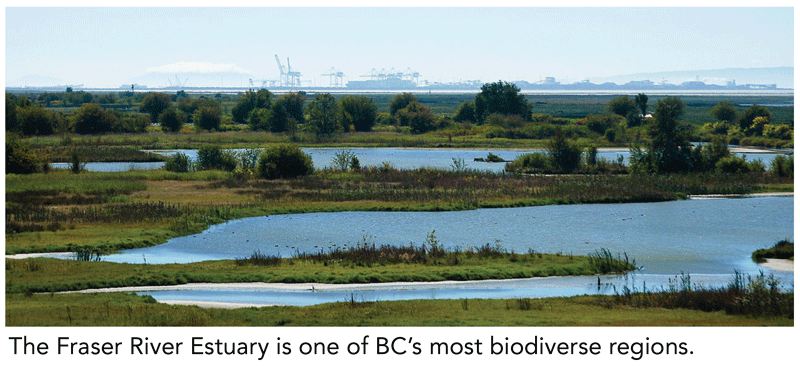
As the largest river in western Canada and one of the most productive salmon-bearing rivers in the world, the Fraser River is a critically important ecosystem and economic driver for the region. The Fraser River Estuary, located at the mouth of the river where it meets Georgia Strait in the Pacific Ocean, is one of the province’s most biodiverse regions, providing vital habitat for many bird, fish, and mammal species.

Juvenile salmon rely on this estuary for food and protection during a critical phase of their development as they transition from freshwater to the marine environment. However, ongoing colonization and industrialization have had devastating impacts on estuarine ecosystem health and Fraser River salmon populations.

Governance of the estuary is antiquated, and the current state of Canada’s environmental laws take an extractive approach to ecosystem management that fails to protect plant and animal species. British Columbia, a province whose identity is tied to its biodiversity, has no standalone protections for wildlife, such as endangered species legislation.

Regulators are unable, or unwilling, to address many of the existential threats facing species and habitats within the Fraser River Estuary. In many cases, environmental law authorizes this ecosystem’s degradation by fragmenting interconnected habitats into ‘natural resources’ to be industrialized in the pursuit of economic growth.

The regulatory landscape perpetuates land-use, water management, and species management decisions to be made in silos, failing to account for the cumulative effects ongoing habitat destruction and degradation has on the resilience of the estuarine ecosystem. The estuary, and all the living things it supports, are not viewed as having intrinsic worth.

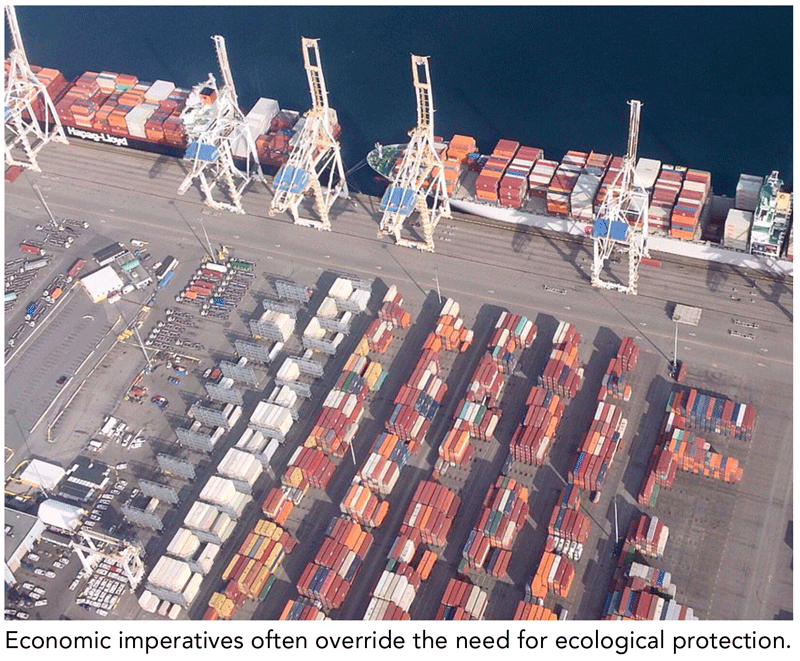
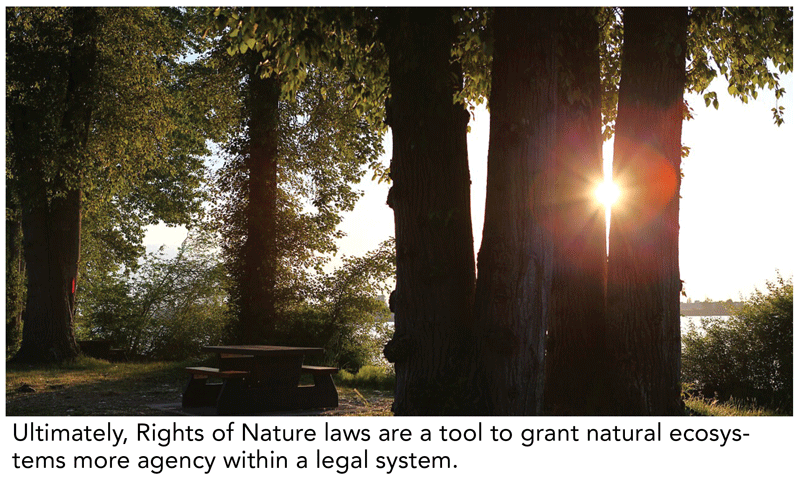
Economic imperatives consistently override the need for ecological protection, and as a result, threaten the very existence of one of the most ecologically important regions in the province. The Rights of Nature is a growing body of law that seeks to reframe how nature is conceptualized under the law, and subsequently how it is governed, by broadening the legal impetus for its protection.

Laws granting rights to nature are not a catch-all solution, but rather a supplement to pre-existing conservation, restoration, and species recovery initiatives.

The report explores the permutations of rights of nature laws in jurisdictions worldwide and examines their compatibility within Canada’s regulatory environment. It seeks to determine how granting the Fraser River Estuary legal rights and standing could produce much-needed changes to governance in the region and how those changes could accelerate conservation efforts already taking place.

SUBSCRIBE TO THE DIGITAL OR PRINT ISSUE OF SABMAGAZINE FOR THE FULL VERSION OF THIS ARTICLE.
A FRAMEWORK FOR REGENERATIVE DESIGN

By Colin Rohlfing

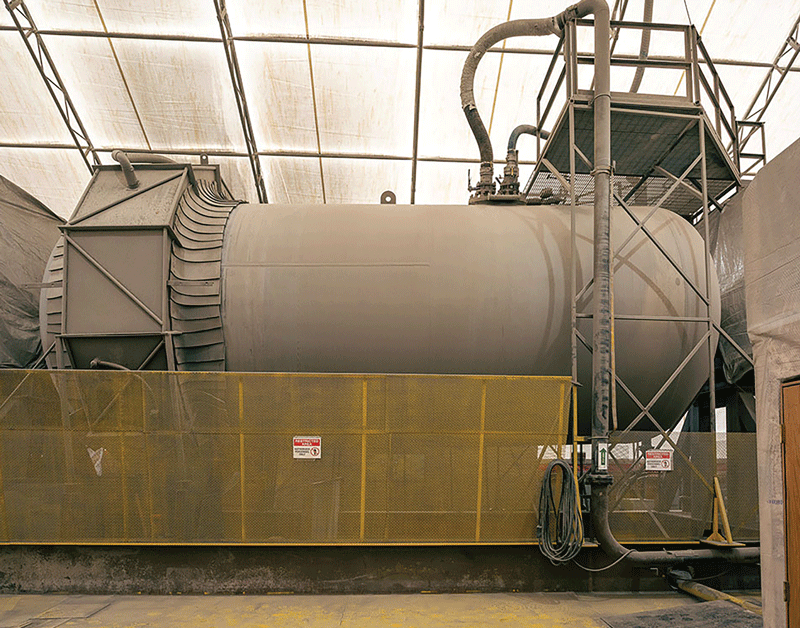
According to the August 2021 report from Working Group 1 of the Intergovernmental Panel on Climate Change (WPG-1), ‘it is only possible to avoid warming of 1.5 °C or 2.0 °C with associated catastrophic impacts, if massive and immediate cuts in greenhouse gas (GHG) emissions are made’ before 2030. In short, we have less than eight years to drastically reduce global carbon emissions and avoid the direst impacts of climate change.

As we know, the built environment plays a significant role in climate change — from how projects are constructed, to how they’re used, to how they are disassembled at end of life. For some time now, the design and construction field has implemented increasingly stringent “high performance” design practices to minimize those impacts and there have been progress. Since the implementation of the AIA 2030 Challenge in 2005, the building sector has reduced GHG emissions by 30% even with a nearly 20% increase in floor area. The industry is on target to achieve a 72% reduction by the year 2030. However, these reductions alone are not enough and we must keep pushing towards faster, net positive benefits for a variety of focus areas such as water, ecology, human health and equity.

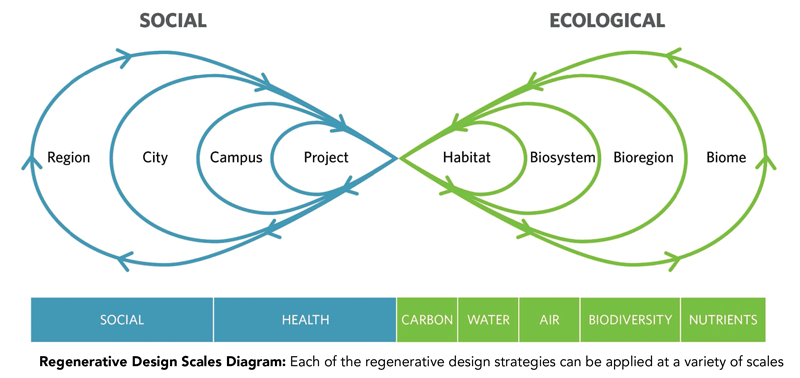
As a design industry, we must radically transform the way we approach design; to think beyond the immediate boundaries of our projects to EMBRACE broader interconnected social and ecological systems. We must move beyond the equilibrium of sustainability towards design that has net positive benefits. We need to think about our developments not in the context of doing less harm, but actually doing good.

In other words, our projects need to actively regenerate or contribute positive impacts to the people who use them and the local ecology that surrounds them.

REGENERATIVE DESIGN

The term “Regenerative Design” describes a process that mimics nature itself by restoring or renewing its own sources of energy and materials. At HDR, we view regenerative design as design that reconnects humans and nature through the continuous renewal of evolving socio-ecological systems. It emulates natural systems for the continuous renewal of societal and ecological functions. A Regenerative Design approach embodies six core principles:

1. Regenerative design achieves net-positive impacts for ecology, health and society. A regenerative project establishes performance metrics in these three areas to remediate the harm that has resulted from decades of conventional development. Because it emulates natural ecological systems, regenerative design incorporates leading edge design for wellness and actively participates in unique, place-driven solutions that address issues of social equity.

2. Regenerative design is flexible, and can be applied to all project types and sizes. Regenerative design does not discriminate, nor does it apply only to certain types of projects. HDR has developed a regenerative design framework that has the ability to accommodate design projects of all sizes, typologies and levels of performance.

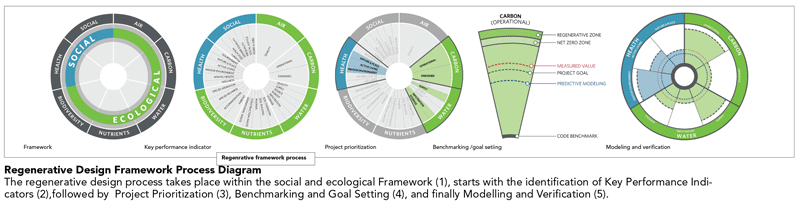
The framework moves beyond conventional high performance design to pursue “net positive” impacts for carbon, water, nutrients, air, biodiversity, social and health categories.

3. Regenerative design is evidence based, data driven and measured against multiple metrics. Regenerative project goals are established using a pristine reference site as a baseline. Its associated natural performance metrics exceed code and regulatory standards. These metrics are scientifically defensible and are established using Geographical Information System (GIS) maps; together with data from federal and provincial governments; and research conducted by universities and other recognized social and ecological enterprises. Benchmarking /goal setiing Modeling and verification

4. Regenerative design continuously evolves and renews. Regenerative design includes projection modelling of place-appropriate performance indicators in the following categories:

  • air
  • carbon
  • water
  • nutrients
  • biodiversity
  • health
  • social equity and community wellbeing

These indicators will fluctuate and are influenced by short- and long-term disturbances of socio-ecological systems.

SUBSCRIBE TO THE DIGITAL OR PRINT ISSUE OF SABMAGAZINE FOR THE FULL VERSION OF THIS ARTICLE.
BUILDING NX RETROFIT

A first for Passive House certification

By Holly Jordan

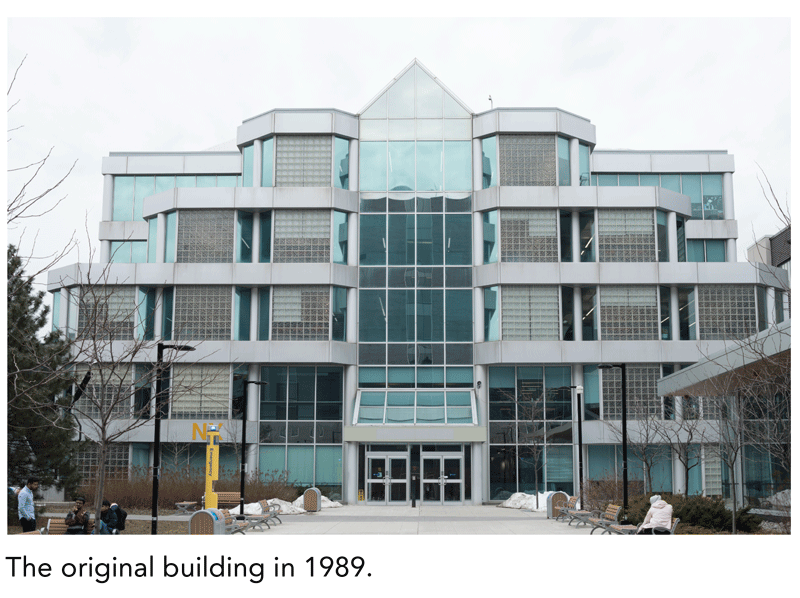
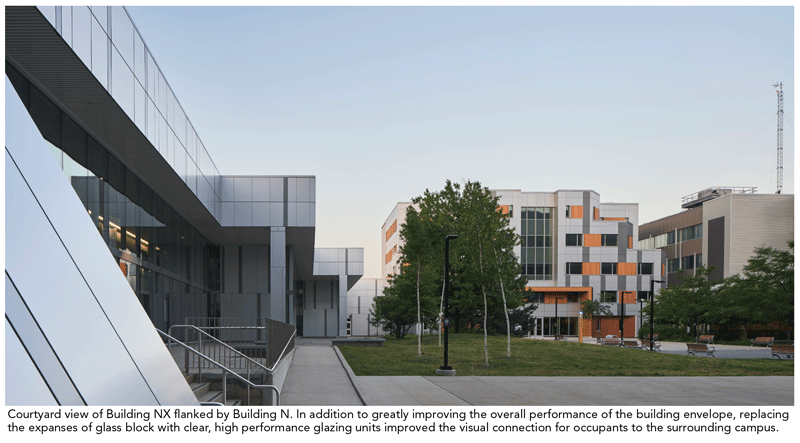
Building NX was constructed in 1989 as the main library for Humber College, also serving as the gateway to its North Campus. When the main library and entrance moved to the Learning Resource Commons, the five-storey concrete structure became an office area for faculty.
In 2015, Humber College launched its Integrated Energy Master Plan (IEMP) a long-term strategy designed to achieve 50% reductions in energy and water consumption and 30% reduction in carbon emissions across all its campuses by 2034. With major deficiencies in its base building systems and building envelope, including water leakage and air infiltration, a complete retrofit of Building NX was identified as a high priority.

Typical of 1980s design and construction, Building NX featured large sections of glass block and geometric articulation of the building form.

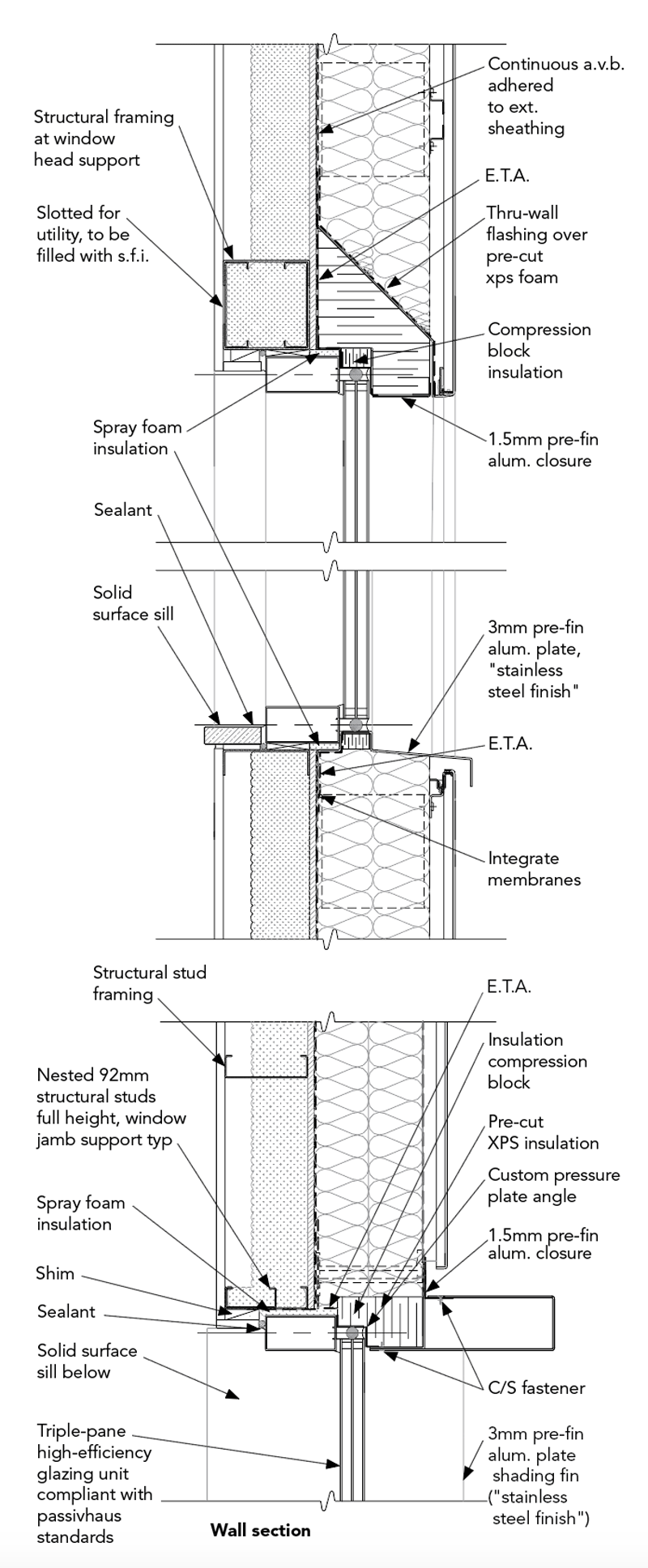
The extensive use of glass block reduced the thermal performance of the envelope; increased interior glare, and limited prime views to the campus courtyard. A large central skylight and a protruding entrance were vulnerable to water leakage and were also major sources of heat loss.

DESIGN APPROACH

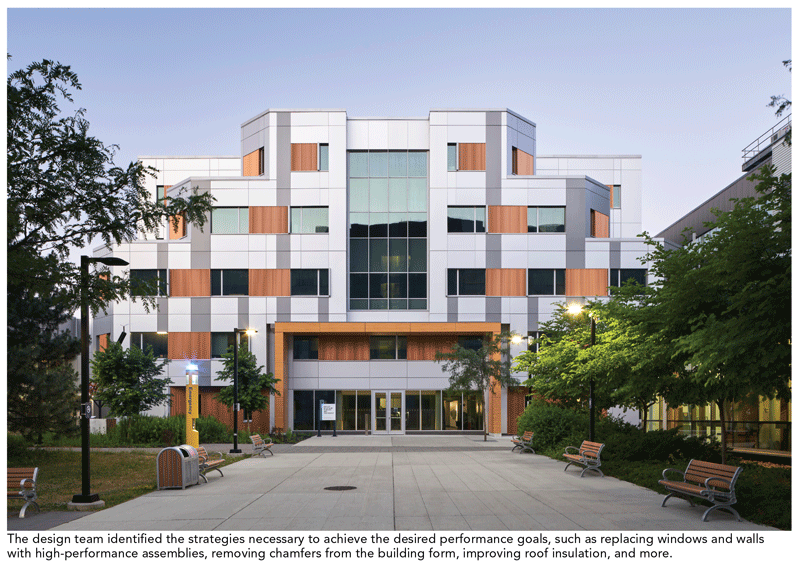
Given these existing conditions, the design team identified the strategies necessary to achieve the desired performance goals:

  • • Replace windows and walls with high-performance assemblies
  • • Remove chamfers from building form to reduce surface area
  • • Improve roof insulation
  • • Remove and infill skylight to address thermal and water leakage
  • Internalize vestibule to minimize heat loss
  • Separate canopy from building, both structurally and thermally

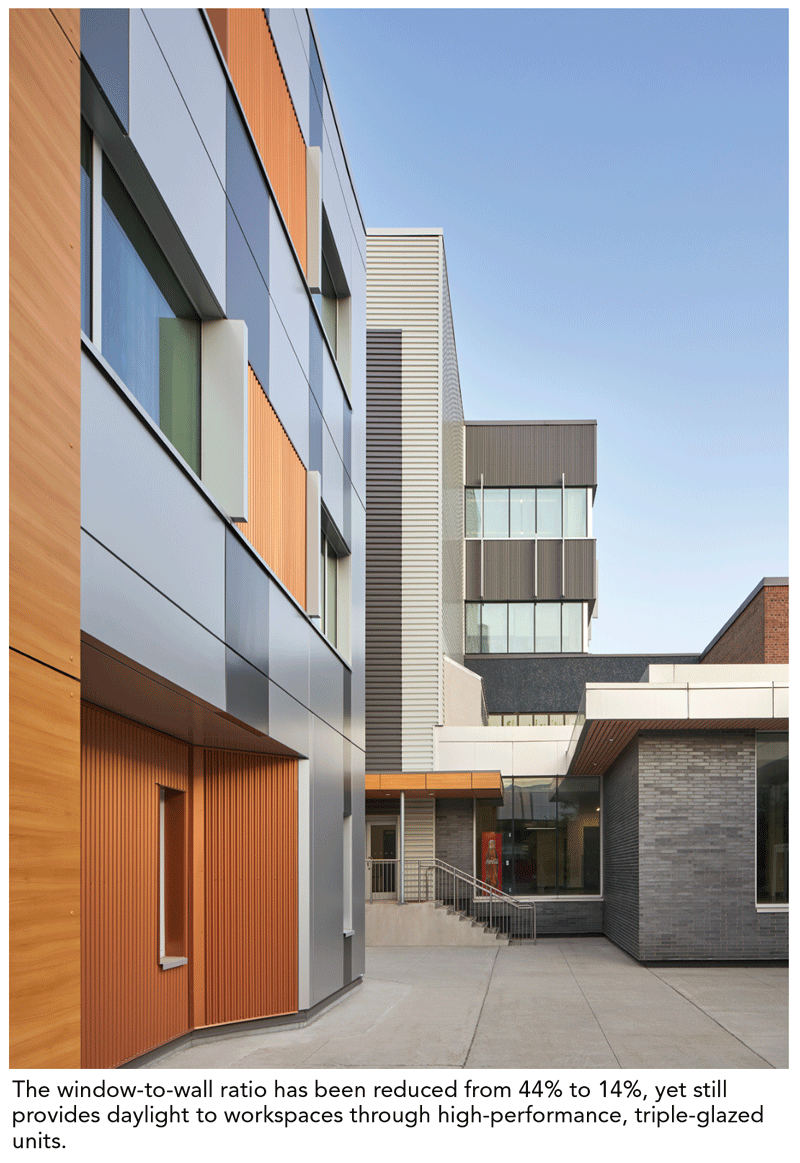
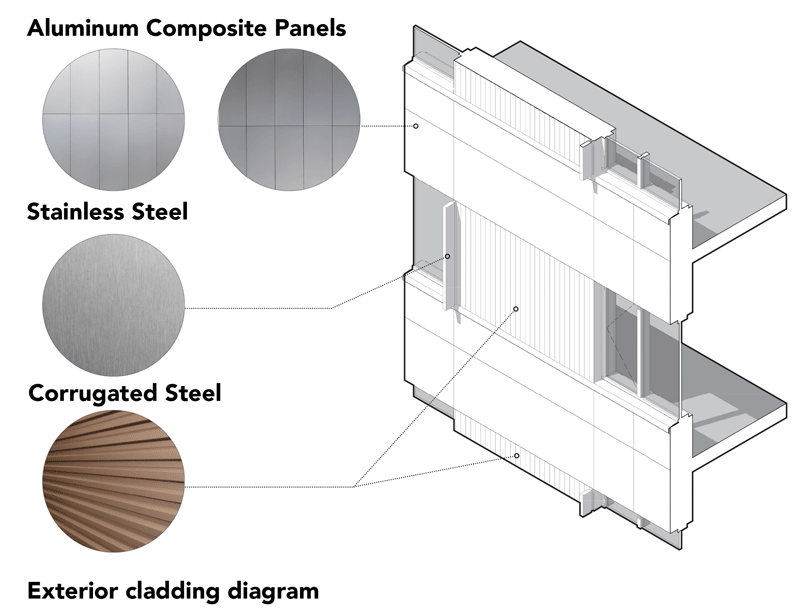
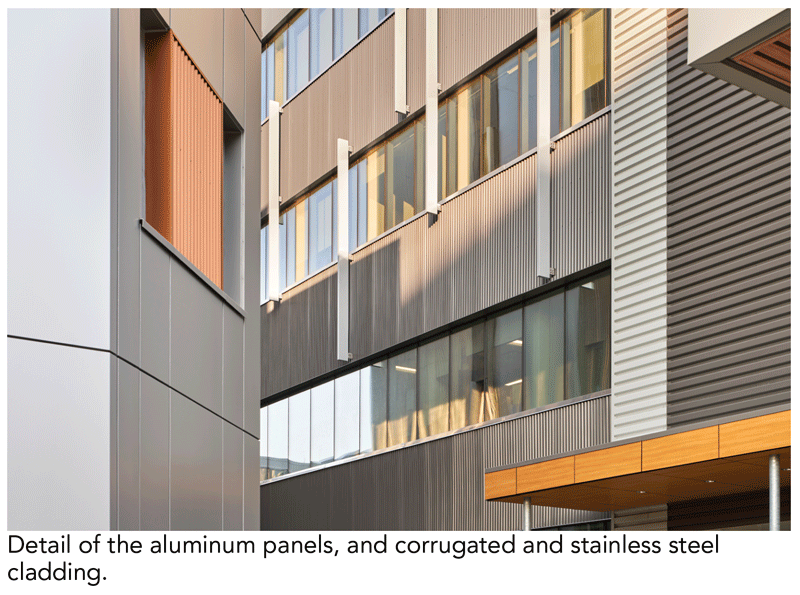
Following the change of occupancy from library to office in 2015, staff quickly found that the building was drafty, and work stations experienced solar glare and uneven lighting. To address these issues, the new building envelope uses punched windows with vision glazing, lower heads, and sills raised to desk height. Larger glazed openings are used at entrances and in key common areas.

Overall, the window-to-wall ratio has been reduced from 44% to 14%, yet still provides daylight to workspaces. Additionally, the high-performance, triple-glazed units achieve a superior level of thermal comfort, introduce operable windows and re-establish the visual relationship between interior and exterior. To improve airflow, the HVAC system was upgraded to a dedicated outdoor air system (DOAS) with local heating and cooling and heat pumps for space conditioning.

PROJECT PERFORMANCE

  • TOTAL ENERGY INTENSITY (UPGRADED BUILDING) = 58.4 kWh/m2/year
  • BASE BUILDING = 64 kWh/m2/year
  • PROCESS ENERGY = 22kWh/m2/year
  • ONSITE RENEWABLE ENERGY GENERATION = 31 kWh PHOTOVOLTAIC ROOFTOP ARRAY
  • ENERGY REDUCTION COMPARED TO EXISTING BUILDING = 70%

PROJECT TEAM

  • ARCHITECT B+H Architects
  • OWNER/DEVELOPER Humber College
  • GENERAL CONTRACTOR Bird Construction
  • ELECTRICAL / MECHANICAL ENGINEER Morrison Hershfield
  • STRUCTURAL ENGINEER Morrison Hershfield
  • COMMISSIONING AGENT Morrison Hershfield
  • ENERGY MODEL RDH Building Science Inc
  • BUILDING ENVELOPE Morrison Hershfield
  • PHOTOS Double Space Photo

SUBSCRIBE TO THE DIGITAL OR PRINT ISSUE OF SABMAGAZINE FOR THE FULL VERSION OF THIS ARTICLE.