Dedicated to sustainable,
high performance building

Interior Design Award

Aedifica Headquarters – Montreal, QC

Jury Comment: “This LEED Platinum certified interior fit out was impressive; addressing multiple quantitative and qualitative criteria including: efficient water and energy consumption, biophilia and diversity of spaces, low-emitting materials, enhanced air quality, occupant comfort and carbon neutral energy. The LCA documentation was comprehensive and the result refined and elegant.“

Ædifica is a multi-disciplinary design practice whose mission is to enrich human lives by creating sustainable, carbon-neutral and inspiring interiors, buildings and urban environments.

The challenges of the COVID-19 pandemic prompted a review of the firm’s culture and how best to deliver its services moving forward. Ædifica decided to relocate to smaller premises and adopt a hybrid work policy which included teleworking and unassigned physical workplaces.

The location in Old Montreal was chosen for the wealth of nearby amenities, easy access by transit and bicycle, and the enduring qualities of the base building. Design ambitions for the project were both qualitative and quantitative:  healthy gourmet lunches served for free by a chef, efficient water and energy consumption, biophilia and a diversity of spaces, low-emitting materials, enhanced air quality, occupant comfort, and carbon neutrality in both energy and materials.

The open concept kitchen is the heart of the project. Employees can gather around and eat at the counter or in the brightly lit agora. This layout promotes interactions between co-workers and develops a sense of community. A happy hour zone has also been integrated into the agora to encourage impromptu festivities and thus strengthen team bonds.

With the wellness of its employees a top priority for the company, the new office includes a variety of spaces to create, work, eat and relax. Numerous plants have been installed through the space to contribute to the psychological well-being of staff.

A monumental shelf filled with vegetation separates the main entrance from the kitchen and shrubs are planted in large concrete pots in the agora. These are complemented by natural materials, such as wood (for flooring and furniture) and terrazzo.

Different spaces are designed to encourage collaboration between colleagues or focused individual work. Open-plan workstations, conference rooms, small offices and telephone booths have been designed to meet all possible needs.

Project Credits

  • Architect  Ædifica
  • Owner/Developer  Ædifica
  • General contractor  Sidcan
  • Electrical Engineer  Ædifica
  • Mechanical engineer  Ædifica
  • Commissioning Agent  Virgile Schwab
  • Photos  David Boyer

Project Performance

  • Energy Intensity  98 KWhr/m2/year
  • Reduction in Energy Intensity  20% (Based on ASHRAE 90.1)
  • Water Consumption from municipal source   2,834 litres/occupant/year
  • Reduction in Water Consumption  51%
  • Construction materials diverted from landfill 62%
  • Recycled materials content by value  10%

SUBSCRIBE TO THE DIGITAL OR PRINT ISSUE OF SABMAGAZINE FOR THE FULL VERSION OF THIS ARTICLE.

Residential (Small) Award

SoLo House, Soo Valley, BC 

Jury Comment:  “This off -grid project provides an object lesson in how to address the imperatives of carbon neutrality, energy self-sufficiency, occupant health and more efficient, low-impact construction materials and methods: in short, how to future proof our built environment. Realized in a remote area, these lessons could nonetheless be applied in urban locations.“

SoLo house is a 380 sq.m, self sufficient, off-grid home with a 40 sq.m ancillary building, sitting lightly on a forested knoll overlooking the spectacular Soo Valley north of Whistler in the Coast Mountains of British Columbia.

Reflecting the client’s expressed intention to ‘Set a new benchmark for environmental performance, health and well-being’, SoLo is not a typical alpine home.

Rather, it is a prototype that demonstrates a unique approach to building off-grid in a remote environment where every choice has consequences. Challenging conventions in both aesthetics and construction, the prototype acts as a testing ground for low-energy systems, healthy materials, prefabricated and modular construction methods, and independent operations intended to inform the approach to larger projects. 

The house includes living space and a master bedroom suite on the main level linked to a sauna and storage space in the adjacent ancillary building. The upper level includes two more bedrooms and two bathrooms.

Given the valley’s extreme climate, it was critical to have an ‘enclosure-first’ approach to ensure energy efficiency and outstanding comfort. A two-layer solution was used for the enclosure with an outer heavy timber frame acting as a shield against the weather, and the heavily insulated inner layer acting as the thermal barrier.

With the goal of eliminating fossil fuels and combustion, SoLo includes a photovoltaic array and a geo-change system, with a hydrogen fuel cell for backup energy storage. To avoid snow build up in winter, the PV array is mounted vertically on the south elevation.  In addition, the house collects and treats its own drinking water and processes its waste water.

Because of the remote location and short construction season, modular building elements were fabricated off-site by a local contractor. This enabled quick erection of the building in the summer season while also minimizing the number of deliveries to the site and the amount of construction waste created.

Project Credits

  • Owner/Developer  Delta Land Developments
  • Architect  Perkins&Will
  • Structural Engineer  Glotman Simpson
  • Mechanical and Electrical Engineer  Integral Group
  • Building Envelope Consultant  RDH Building Science General
  • Contractor  Durfeld Construction
  • Code Consultant  GHL Consultants
  • Photos  Latreille Photography

SUBSCRIBE TO THE DIGITAL OR PRINT ISSUE OF SABMAGAZINE FOR THE FULL VERSION OF THIS ARTICLE.

Mixed Use Award

LOBLAW’S GROCETERIA WAREHOUSE ADAPTIVE REUSE  – Toronto, ON

Jury Comment: “After standing idle for a decade, the adaptive reuse of this 1928 heritage structure is worthy of recognition. Within the context of the large mixed-use development that occupies the remainder of the site, it has catalyzed the revitalization of a section of Toronto’s waterfront. Conserving the embodied carbon in existing buildings is an increasingly important strategy in combating climate change.”

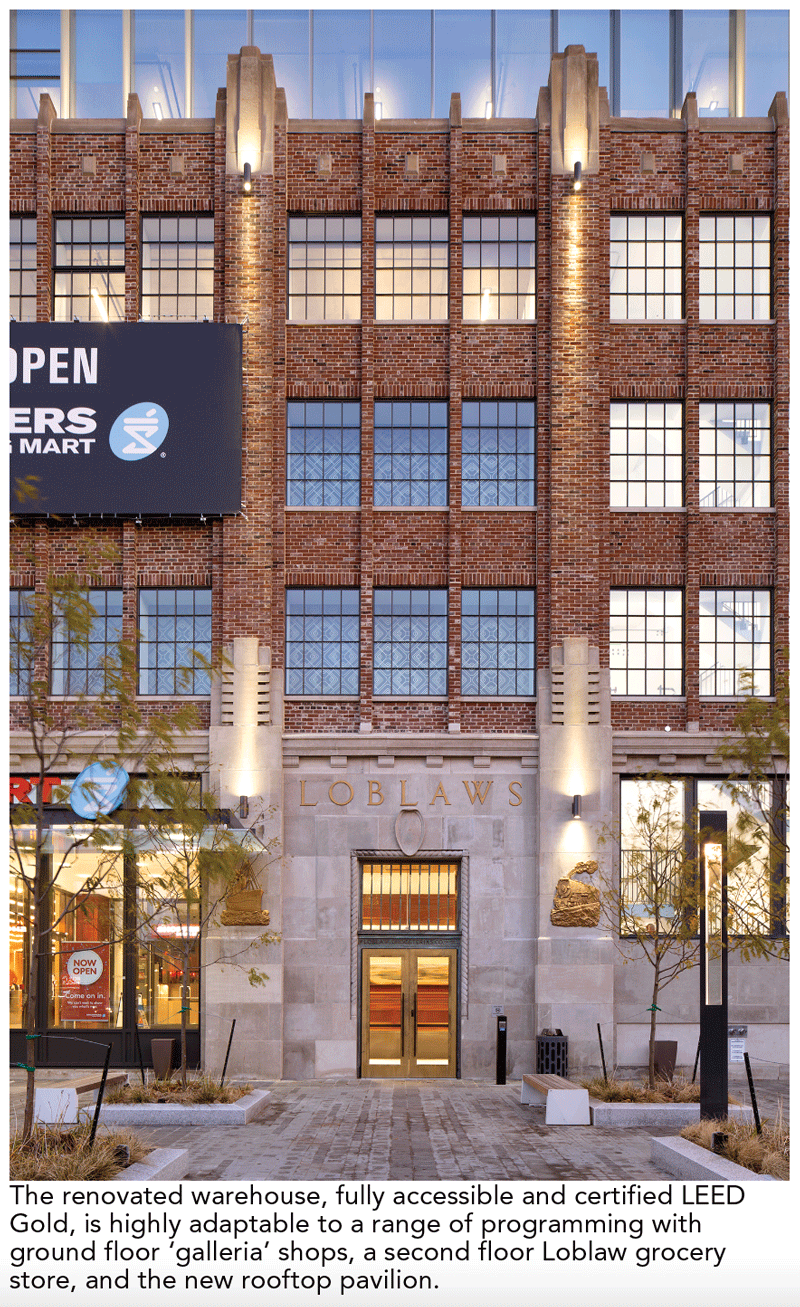
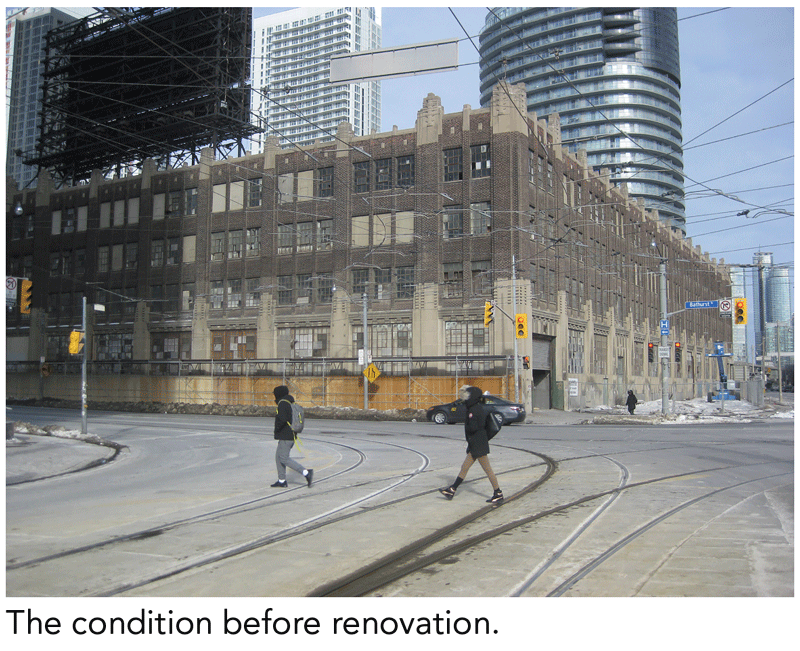
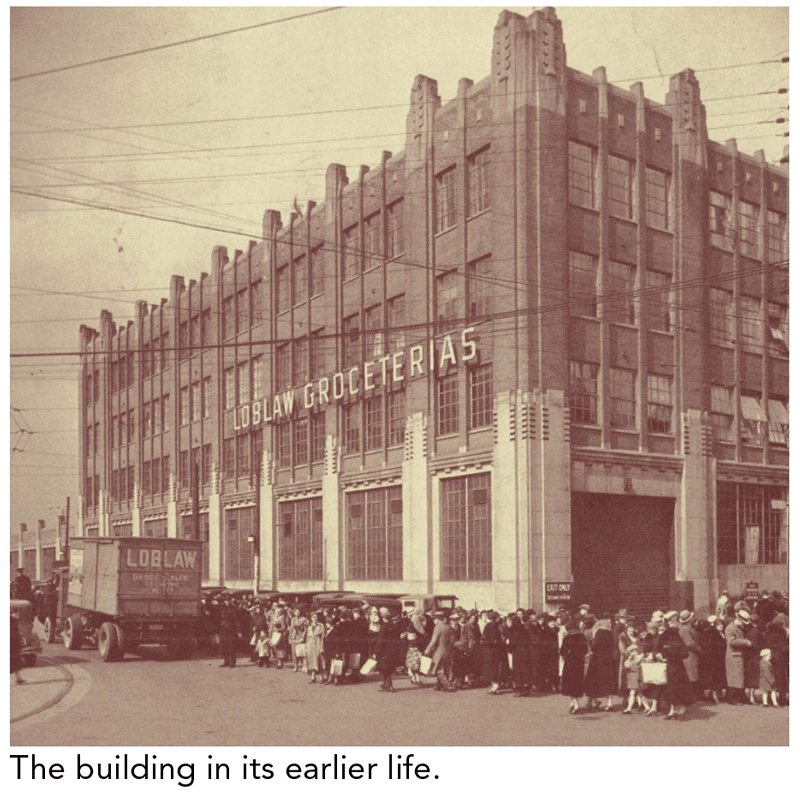
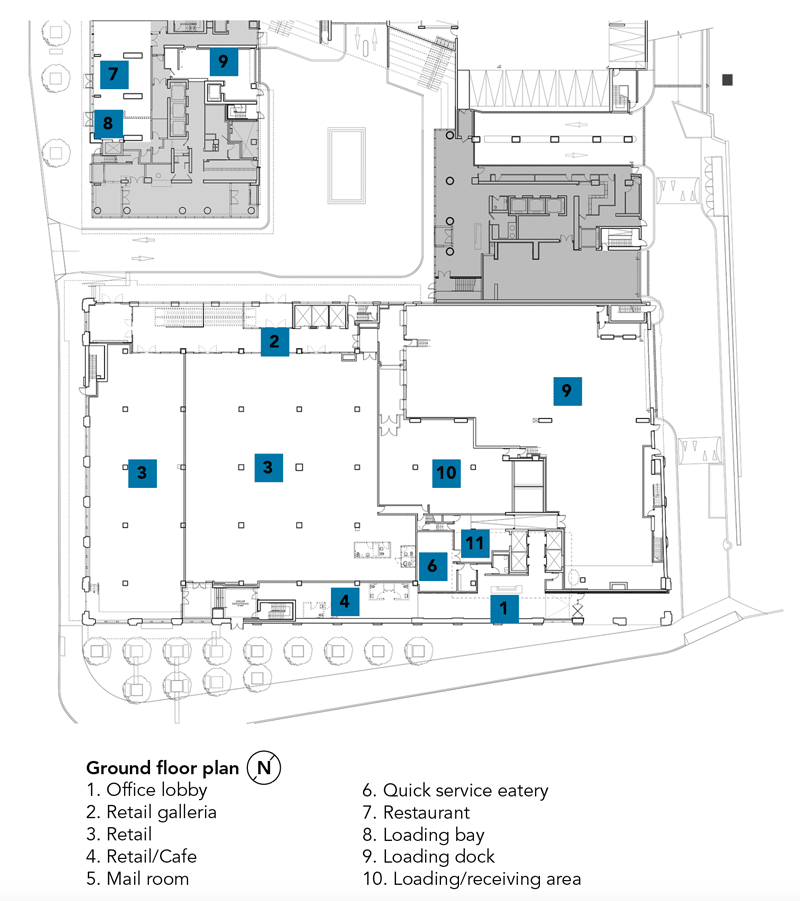
The 1928 Loblaws Groceteria warehouse was listed on the Toronto Register of Heritage Properties in 2001, but sat abandoned for over a decade. The 2020 restoration and adaptive re-use has preserved a remarkable example of Toronto’s waterfront industrial heritage, while introducing healthy food options, local retail and community services into a neighbourhood experiencing rapid intensification.

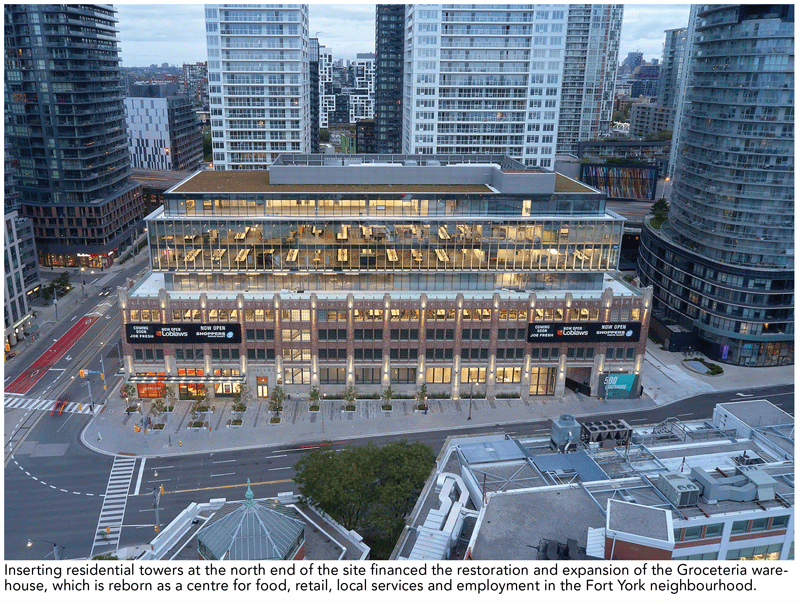
Perched on the south edge of a site bisected by the Gardiner Expressway, the warehouse was commercially unviable due to its small footprint, lack of services and structural deterioration. The architect devised a masterplan inserting high-rise residential towers at the north end of the site, with below-grade servicing and parking. The land value unlocked by this strategy financed the restoration and expansion of the Groceteria warehouse, which is reborn as a centre for food, retail, local services and employment in the Fort York neighbourhood.

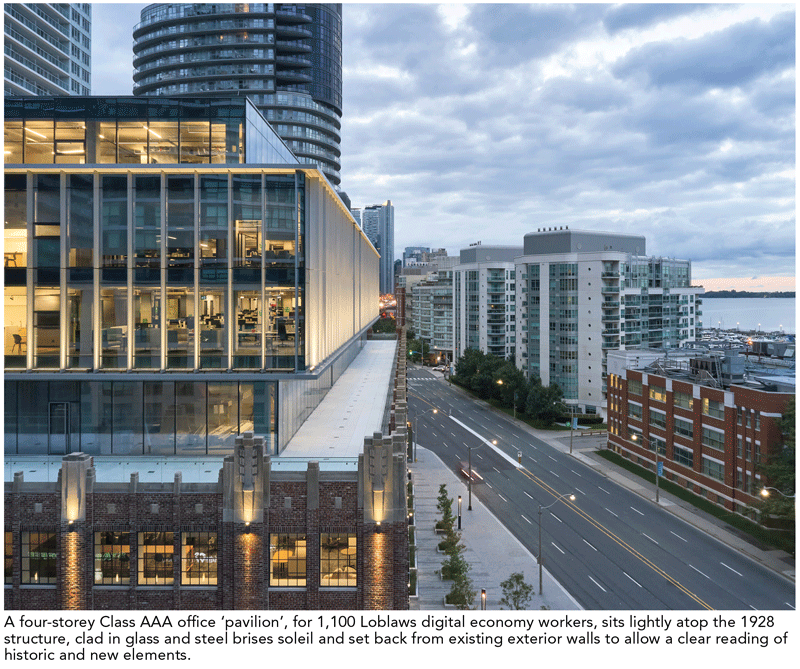
A four-storey Class AAA office ‘pavilion’ sits lightly atop the 1928 structure, clad in glass and steel brises soleil and set back from existing exterior walls to allow a clear reading of historic and new elements. The renovated and expanded warehouse is fully accessible, and certified LEED Gold.

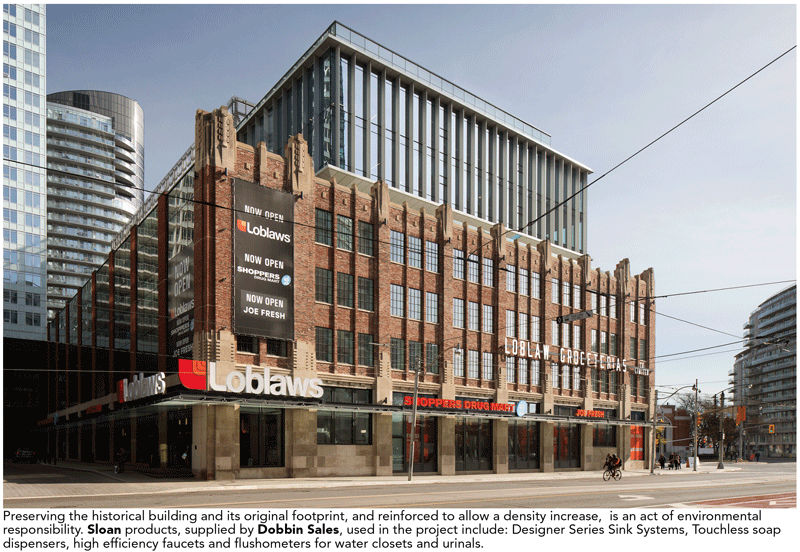
Preserving an historical building is an act of environmental responsibility. The architects retained the original footprint, and reinforced its structure to accommodate a modest but effective density increase.

The warehouse typology is highly adaptable to a range of programming. A ground floor ‘galleria’ of small shops is convenient for pedestrians stopping quickly as they go about their day. The entire second floor is occupied by a flagship Loblaw grocery store, offering groceries and freshly prepared meals for office workers and local residents. The new rooftop pavilion has space for 1,100 Loblaw’s digital economy workers.

The building is fully accessible. All entrances are flush with grade. A barrier-free lift at the south entrance enables visitors to negotiate an internal grade change on the ground floor.


Sloan products, supplied by Dobbin Sales, used in the project include: Designer Series Sink Systems, Touchless soap dispensers, high efficiency faucets and flushometers for water closets and urinals.

Project Credits

  • Architect  architects-Alliance
  • Associate Architect  ERA Architecture
  • Owner  Choice Properties Construction & Development
  • Developer  Wittington Properties
  • General Contractor (Heritage Building and Towers) 
  • EllisDon Ledcor PAAV Inc
  • General Contractor (Under Gardiner Plaza) 
  • Rochon Building Corp
  • Landscape Architect  NAK Design Strategies
  • Civil Engineer  LEA Consulting Ltd
  • Mechanical/Electrical Engineer  MCW Consultants
  • Structural Engineer  Read Jones Christoffersen [RJC]
  • Project Manager CD Capital
  • Heritage Contractor/Consultant  Historic Restoration Inc
  • Wayfinding/Signage Entro
  • Photos  Michael Muraz Photography, A-Frame Studio

SUBSCRIBE TO THE DIGITAL OR PRINT ISSUE OF SABMAGAZINE FOR THE FULL VERSION OF THIS ARTICLE.
Existing Building Upgrade Award

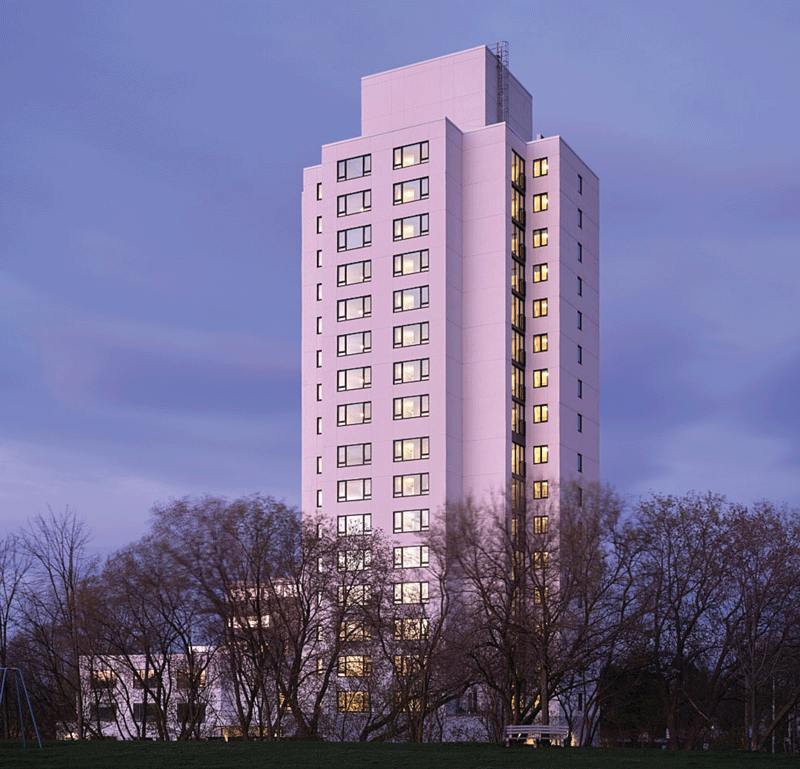
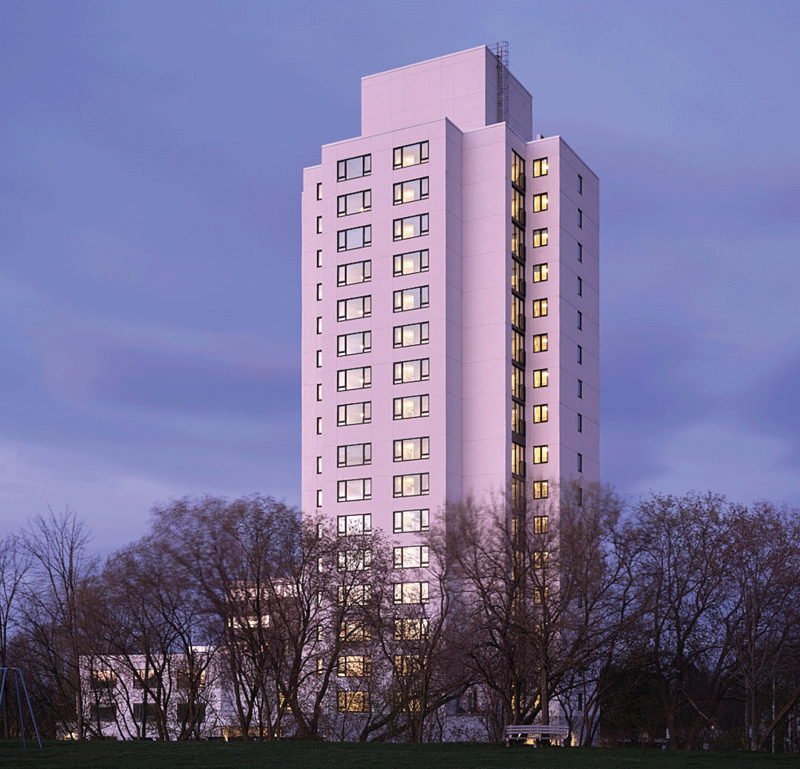
500 MacNab Seniors’ Housing /Ken Soble Tower – Hamilton, ON

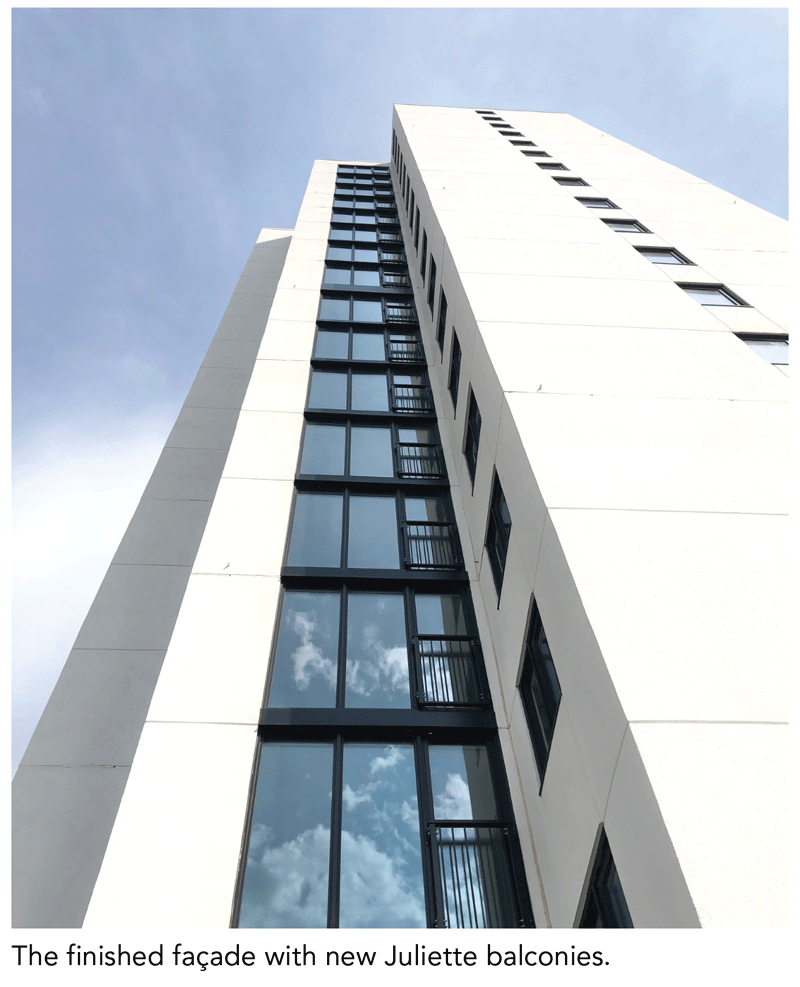
Jury Comment: “This project creates an important precedent, given the prevalence of this high-rise residential typology throughout North America. Achieving Passive House (EnerPHit) certification is a remarkable achievement. The loss of individual balconies is unfortunate, given the demographic of the occupants; a challenge for PH projects we hope may be overcome in the future.”

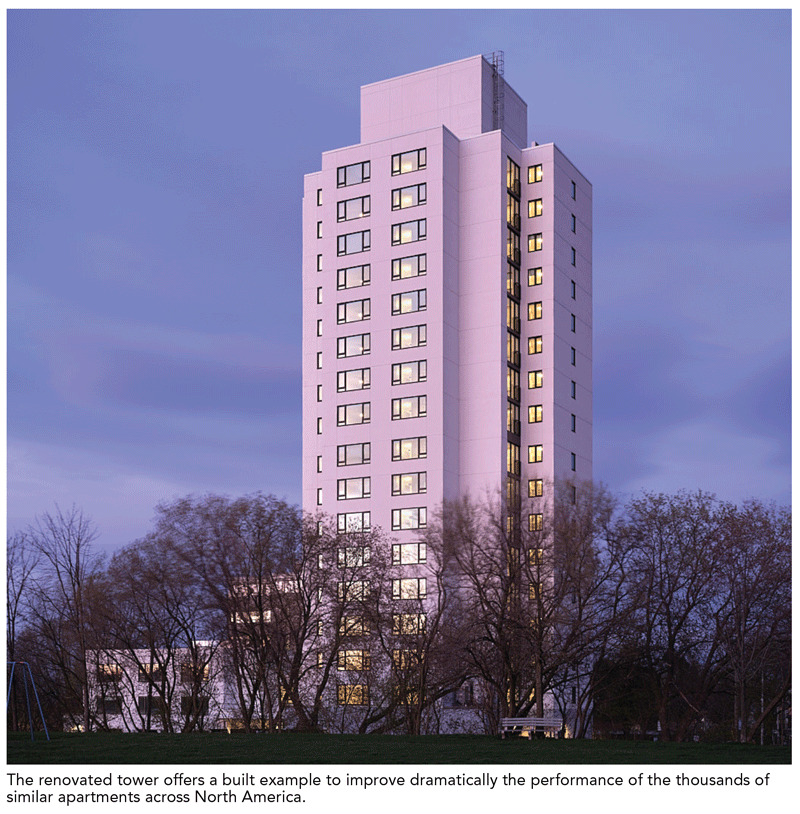
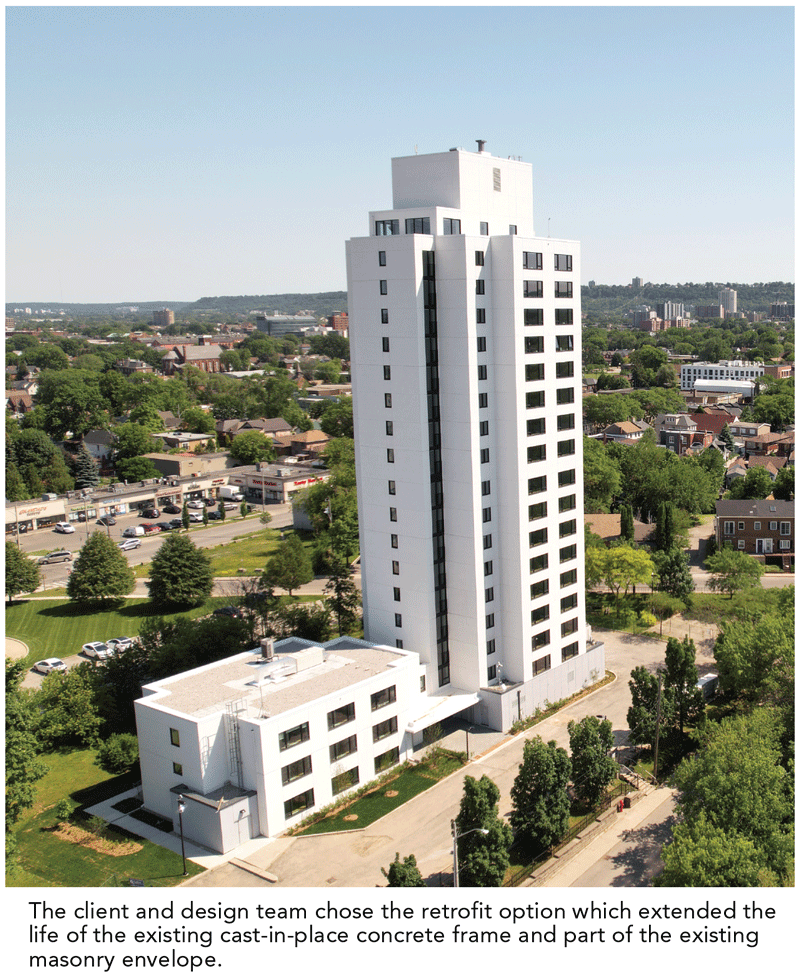
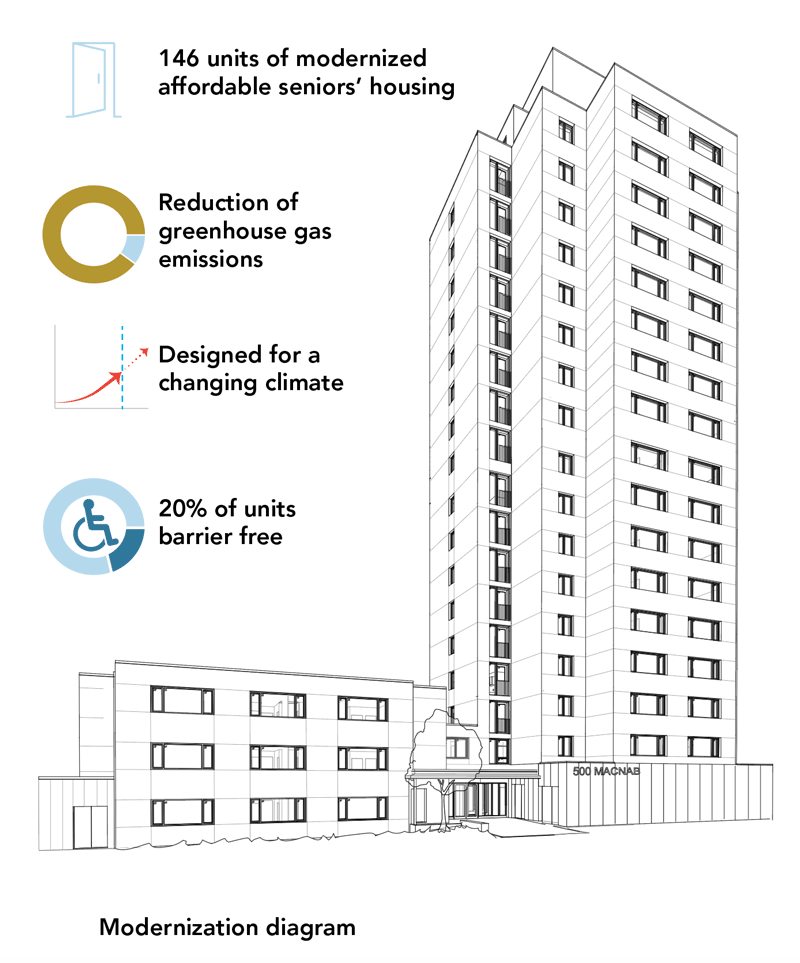
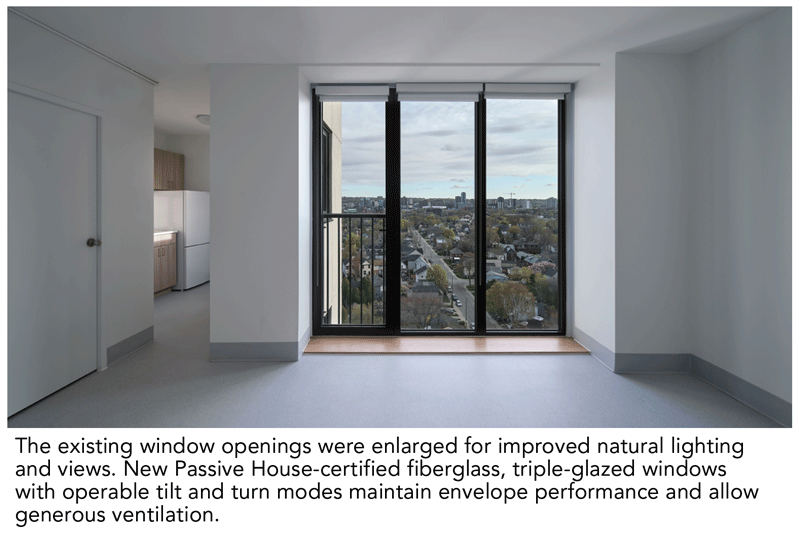
The transformation of 500 MacNab is a ground-breaking project rehabilitating a post-war apartment tower to the Passive House EnerPHit standard. This has reduced the associated greenhouse gas emissions by 94% and created a template for industry-wide housing renewal throughout North America.

Background

The tower was originally constructed in 1967 and by the start of this project had fallen into a state of disrepair to the point of being uninhabitable. An early consideration was whether to demolish the existing structure and build new, or to complete a retrofit and restore the building to a serviceable condition, consistent with today’s standards of durability and performance.

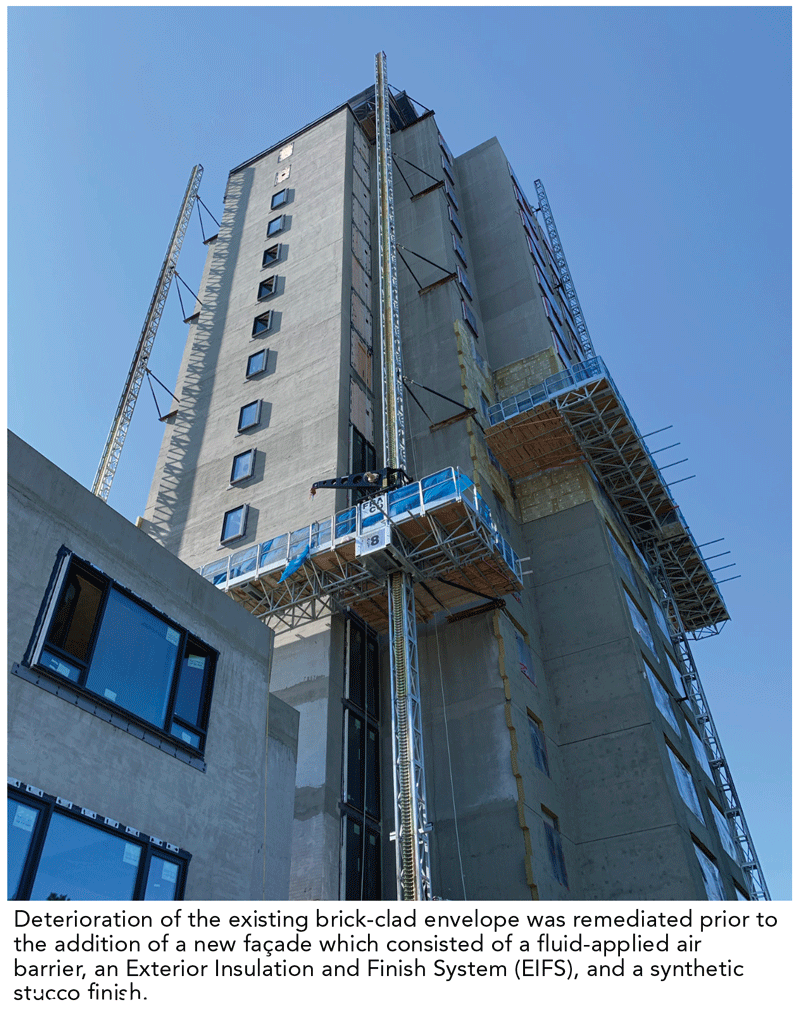
Ultimately, the team chose the retrofit option which extended the life of the existing cast-in-place concrete frame and part of the existing masonry envelope. The environmental impact and embodied carbon of the original construction were not wasted, nor unnecessarily duplicated in a new building. By pursuing a Passive House level retrofit, the ongoing operational carbon emissions of the building were drastically reduced and will support an extended service life.

Setting a Precedent

The first retrofit of its kind in North America, at 18 storeys and more than 7,500m2, the 500 MacNab transformation is now one of the largest EnerPHit certified projects in the world.

The project is the premier achievement to date in realizing the ambitions that are now part of Federal Policy and supported through the National Housing Strategy Repair and Renewal Fund.

Enhancing Performance

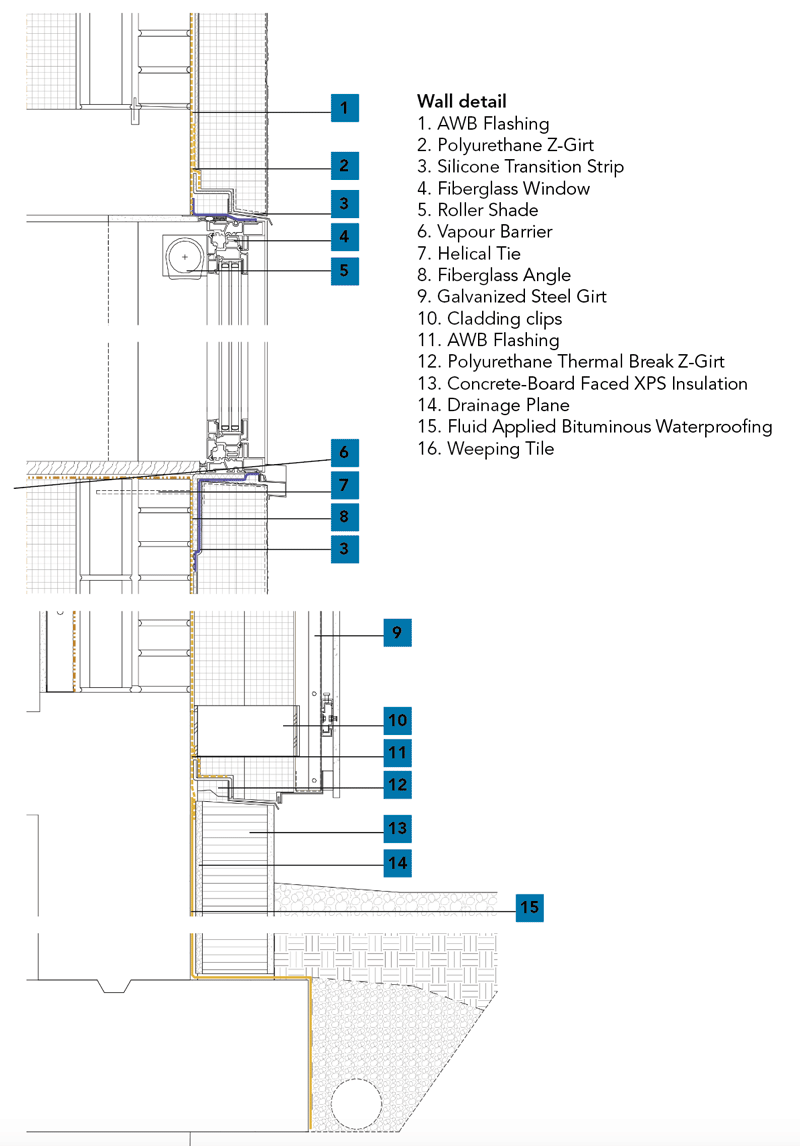
The most important strategy for reducing operational carbon is the high-performance Building envelope, which almost doubles the minimum insulation values required by code. Together with high levels of airtightness, this greatly reduces the overall heating and cooling demand. The envelope upgrades include R-38 effective over-cladding, passive-house certified windows and air sealing details to achieve 0.6ACH @50Pa.

Project Credits

  • Owner/developer  City Housing Hamilton
  • Architect  ERA Architects
  • General Contractor  PCL Constructors Canada Inc.
  • Landscape Architect  ERA Architects
  • Electrical Engineer  Nemetz & Associates
  • Mechanical engineer  Reinbold Engineering
  • Structural Engineer  Entuitive Corp
  • Commissioning Agent  CFMS West Consulting Inc
  • Passive House Consultant  JMV Consulting
  • Passive House Certifier  Herz & Lang Gmt
  • Building Envelope Consultant  Entuitive Corp
  • Photos  Doublespace Photography
  • Energy Intensity  145 KWhr/m2/year
  • Reduction in Energy Intensity  91 %

SUBSCRIBE TO THE DIGITAL OR PRINT ISSUE OF SABMAGAZINE FOR THE FULL VERSION OF THIS ARTICLE.
Interview with Adam Auer

Adam Auer, President and CEO of the Cement Association of Canada talks about the industry’s Concrete Zero Action Plan.

1. Why did the cement and concrete industry decide to release an action plan to net-zero by 2050?

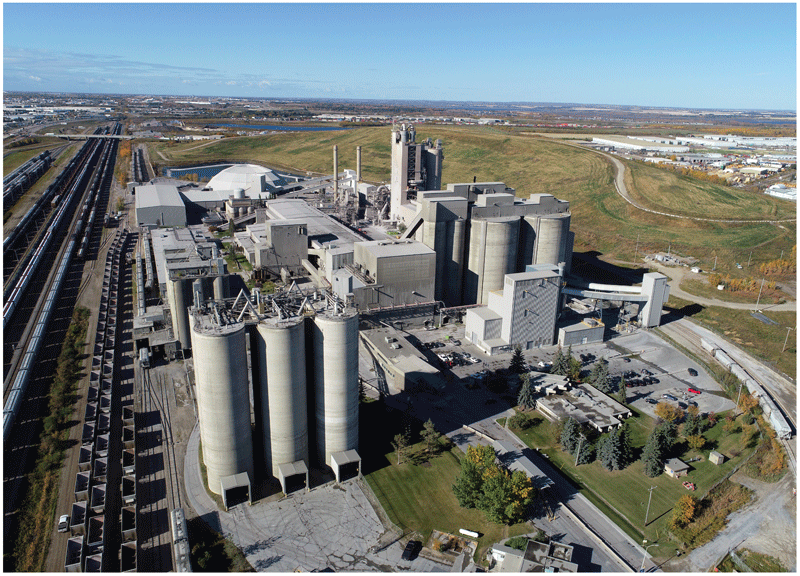
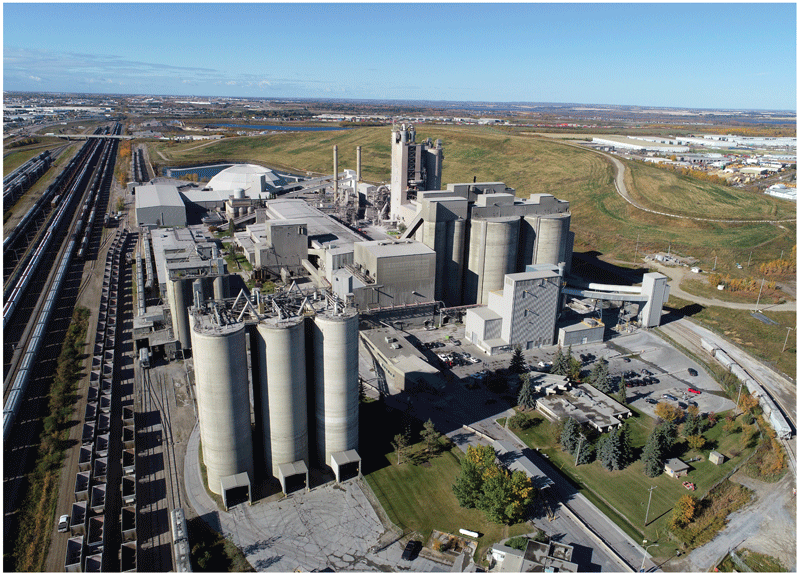
Concrete is the most used building material in the world. Our homes and communities need concrete, as do many sectors of the economy. It’s also the second largest industrial carbon emitter. The cement and concrete industry represents about 7 per cent of CO2 emissions globally, and almost 1.5 per cent in Canada. As a large emitter, we are committed to leadership in reducing emissions and offering solutions to climate change. A net-zero world will, literally and figuratively, rest on concrete.

2. What levers will be most crucial in reaching net-zero by 2050?

There is no one magic solution that will get us to net-zero. It is going to take many actions. Our Action Plan focuses on what can be done today using existing technologies and through collaboration with government, the construction sector and others on, for example, lower carbon and materially efficient design and construction. Research and development will continue to play an important role in accelerating new technologies and approaches, such as carbon utilization technologies.

3. What actions is the industry taking to reduce emissions before 2050?

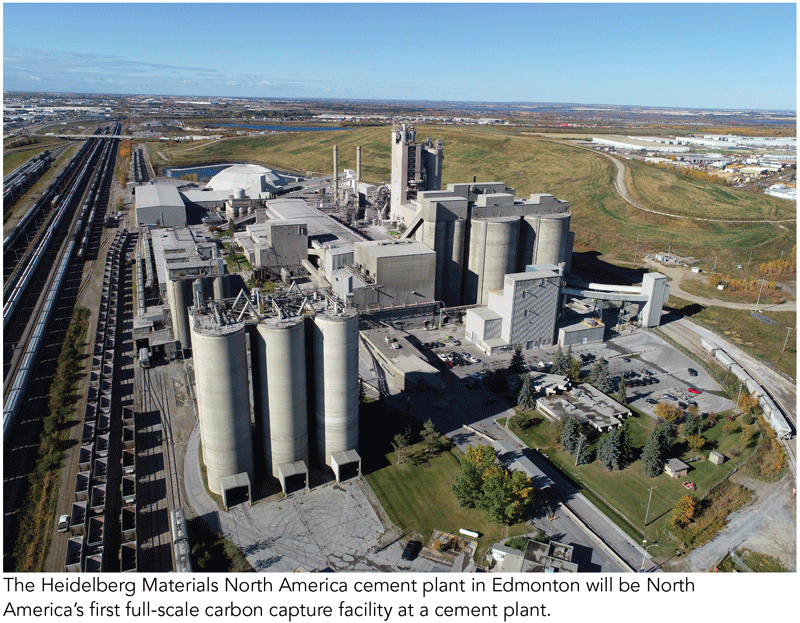
Our industry is focusing on five main actions or areas to reduce carbon emissions to reach net-zero by 2050. We refer to the five areas as the 5 C’s: Clinker, Cement, Concrete, Construction, and Carbon Uptake. For each C we are taking a range of actions to reduce their respective emissions. As an example, to reduce clinker emissions we are replacing fossil fuels used as a fuel source in manufacturing with lower carbon fuels, using less clinker, and investing in carbon capture. For example, this past April, Heidelberg Materials North America partnered with the Government of Canada on a carbon capture and storage project that will be North America’s first full-scale capture facility at a cement plant and will produce the world’s first net-zero cement without the purchase of offsets.

4. How is the cement and concrete industry coordinating its efforts with the architecture, engineering, and construction industries?

This is an incredibly important question, as we cannot reach net-zero alone. We need the users of concrete – i.e. specifiers, architects, developers, engineers, etc. – to work with us on everything from optimized low-carbon concrete mixes to new approaches to low-carbon, materially efficient, and climate resilient design and construction as well as to reduce waste through circular economy practices.

5. What work has been done to ensure the data in the action plan is accurate and achievable?

All cement facilities in Canada meet consistent national regulatory reporting requirements and all grey cement producers also voluntarily report production and emissions data to the Global Cement and Concrete Association ‘Getting the Numbers Right’ database. At the same time, the availability of data across the cement, concrete and construction value chain has many constraints, which we will work to improve over time. Our Action Plan shares the best data and modelling available to us and shows our commitment to transparency.

Our modelling was developed thoughtfully with input from our members and allies across the cement and concrete value chain and represents a consensus on the solutions available to drive our sector toward net-zero. It also represents a shared commitment to continue our internal collaboration to improve continuously the quality and scope of our data to further refine our modelling and support continuous improvement in transparency and reporting.

As a demonstration of this commitment, Canada’s concrete industry is the first (and only) construction material to have published regionally specific Environmental Product Declarations (EPDs) as a way of quantifying and confirming industry improvements in carbon reduction.

Hinton Avenue Infill

Six-fold increase in housing units comes with significant energy savings

By Dextor Edwards

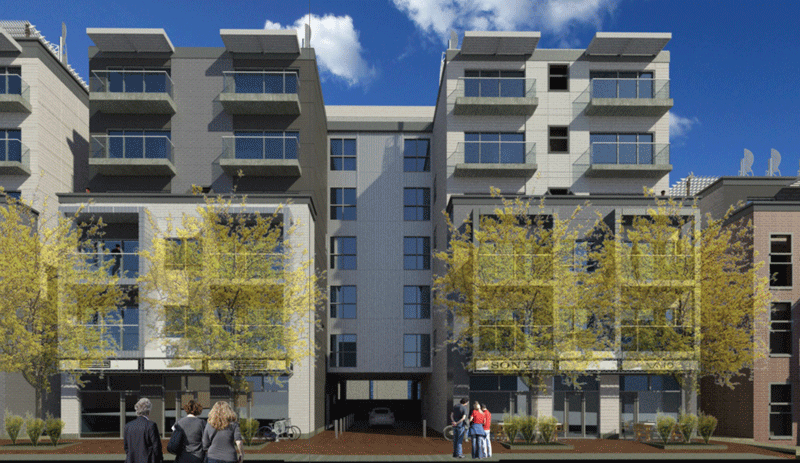
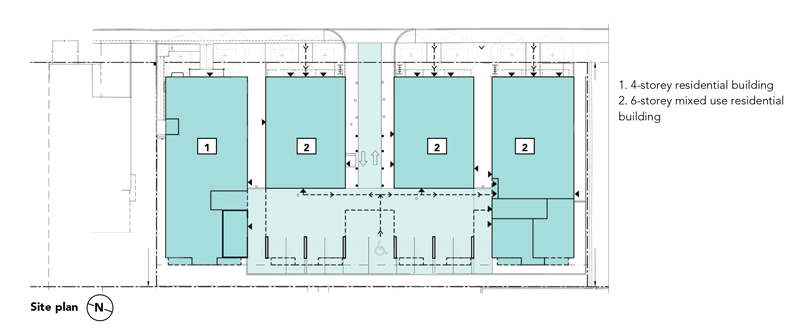
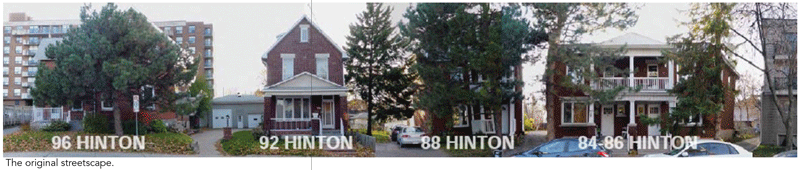
This new infill project includes the densification of four contiguous properties on Hinton Avenue in Ottawa’s Wellington West neighbourhood. The 21 existing housing units were demolished in three phases, ultimately making way for 134 new units. The proximity to a major transit hub, together with the credits offered by the City, reduced the parking requirement to 12 stalls.

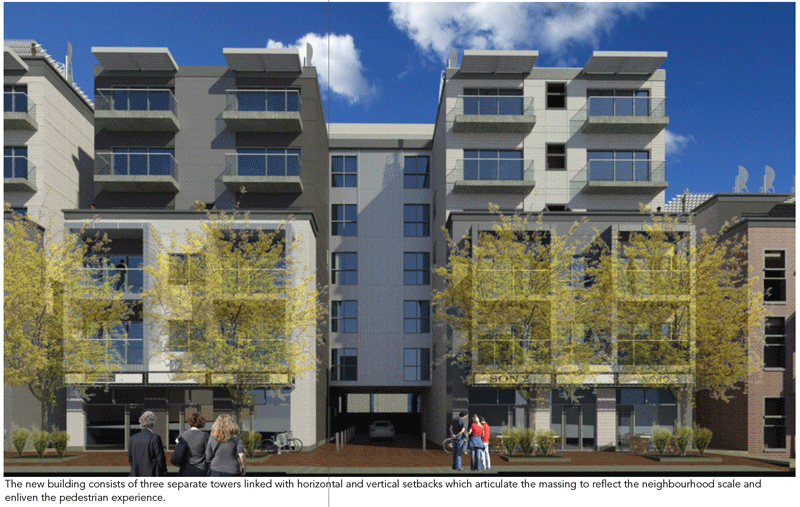
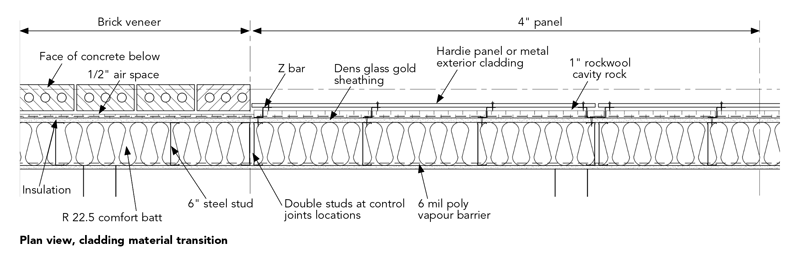
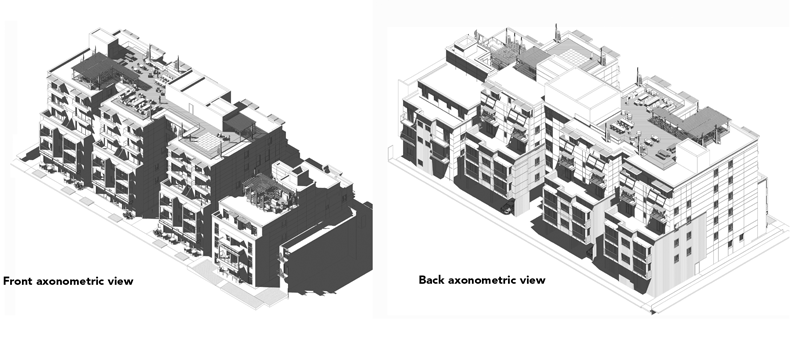
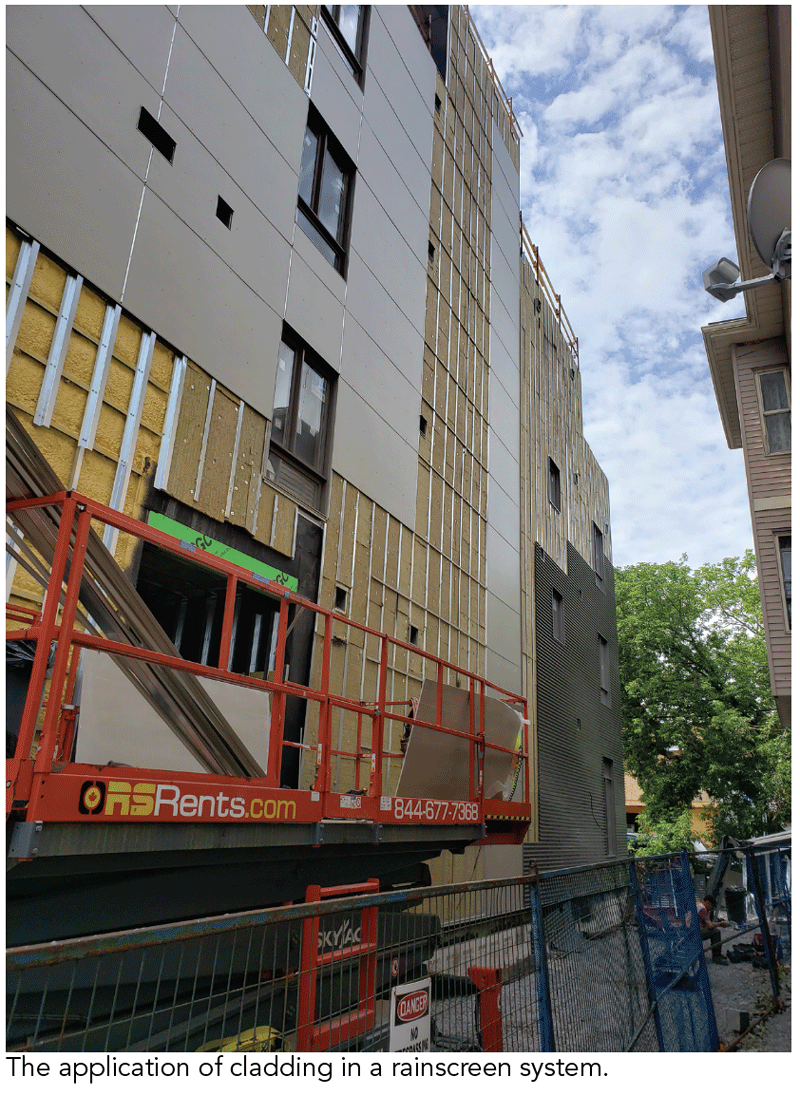
The new building consists of three separate towers that are linked, with horizontal and vertical setbacks articulating the massing, to better reflect the scale of the neighbourhood and enliven the pedestrian experience. The material palette and construction details, which include brick veneer, precast concrete stone sills, cement board cladding, metal and glass canopies and balcony railings, respect the character of the existing neighbourhood.

The sustainable design strategies address energy efficiency, reduction of greenhouse gas emissions, resiliency and adaptability in the face of climate change. This becomes more critical with our changing demographic and the increasing numbers of elderly and vulnerable people in our communities.

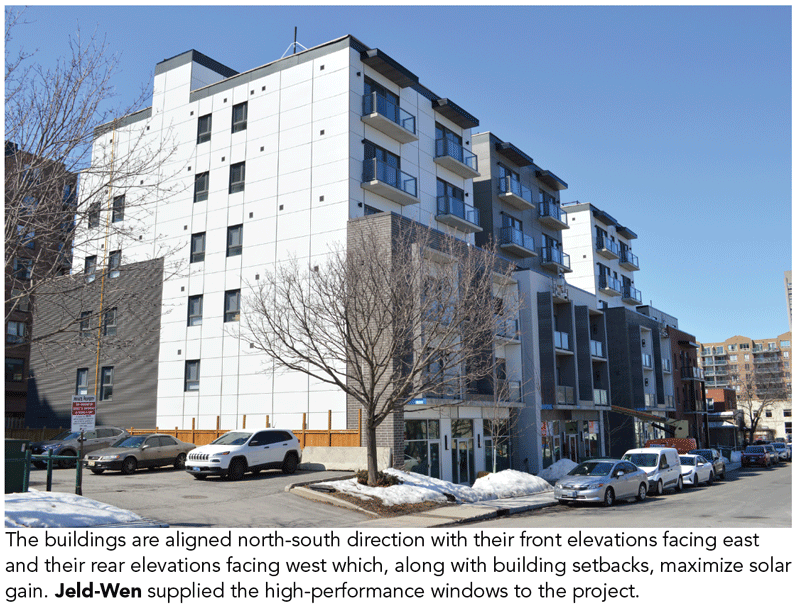
Passive design strategies include a simple form, an optimal window-to-wall ratio; and high-performance building envelope assemblies. The four buildings are aligned in the north-south direction, with their front elevations facing east and their rear elevations facing west. The building setbacks maximize solar penetration and reduce the requirement for heating energy in winter. 

With a window-to-wall ratio of 19.3%, there was no need for trade-offs or energy modelling to demonstrate compliance with the applicable codes and standards.

Nonetheless, in developing the design, we applied techniques we had used and tested on previous buildings of similar type, scale and occupancy.  In doing so, we were able to certify that the performance of this project would meet and likely exceed the requirements of ASHRAE 90.1-2010, provided the contractor built to the exact specifications in the approved contract documentation.

The main HVAC system is hydronic and uses water-source heat pumps. The heating for the building is generated by gas-fired boilers and then distributed to the water-source heat pump terminal units in all interior spaces. This is a closed loop system with heat transferred by conduction through a liquid which is more efficient than a forced air system. The benefits are a more stable temperature and a healthier, dust free indoor environment.

This same loop is used for heat rejection so that in the cooling season the heat from the terminal unit heat pumps is rejected to the water loop and then rejected to the outside via the rooftop fluid coolers.

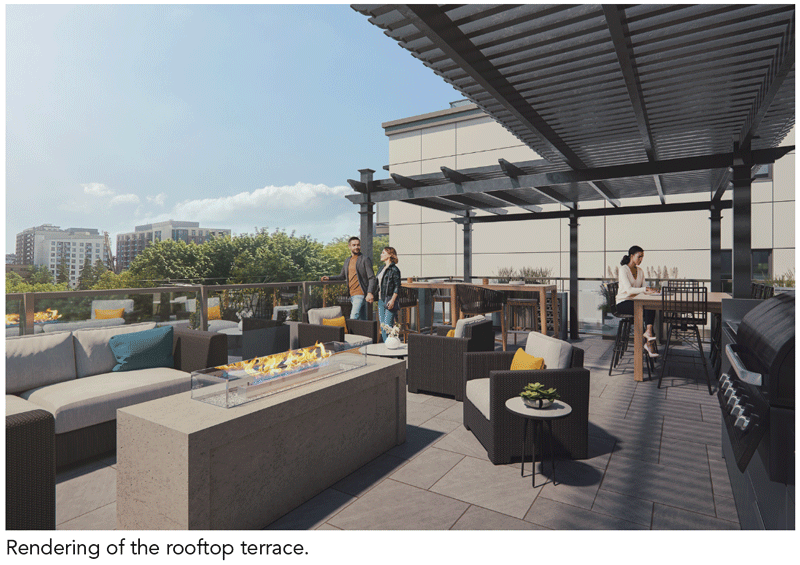
The roofs are light in colour to reflect heat and reduce the urban heat island effect, Canopies and planting provide shading to the roof membrane and help to improve the performance of the heat pumps when running in cooling mode.

After the building was enclosed, a follow-up energy performance model confirmed an energy use intensity 20% better than the current NECB 2017/ requirement, with commensurate reductions in GHG emissions.

Additional energy efficiency measures are planned post-completion, including:

  • Fine tuning of the building automation system as a low cost or no cost measure.
  • Building envelope upgrades such as the addition of window blinds.
  • Installation of rooftop PV modules for pre-heating domestic hot water 
  • Additional lighting controls and retrofits in all common areas.

Jeld-Wen supplied the high-performance windows to the project.

Project Performance

At the time of printing, the project is still going through final occupancy. Post occupancy evaluation and full commissioning will be carried out over the next 12 months.

Project Credits

  • Owner/Developer  Smart Living Properties
  • Architect  Dextor A. Edwards Architect Inc.
  • General Contractor  Smart Living Properties
  • Landscape Architect  James B Lennox & Associates Inc.
  • Civil Engineer  Kollard Associates Inc.
  • Electrical/Mechanical Engineer  LRL Associates Ltd.
  • Structural Engineer  Strik Baldinelli Moniz Ltd.
  • Commissioning Agent  TBD
  • Energy Modelling  EVNA Engineering
  • Photos  Dextor A  Edwards

SUBSCRIBE TO THE DIGITAL OR PRINT ISSUE OF SABMAGAZINE FOR THE FULL VERSION OF THIS ARTICLE.
Viewpoint: How hand sketches can speed up the digital design process

Compiled by Jim Taggart, Editor SABMag

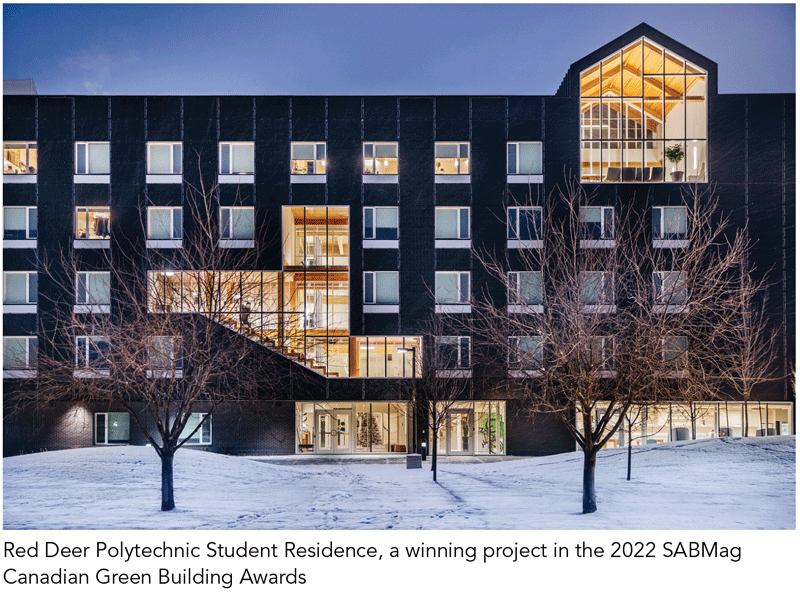
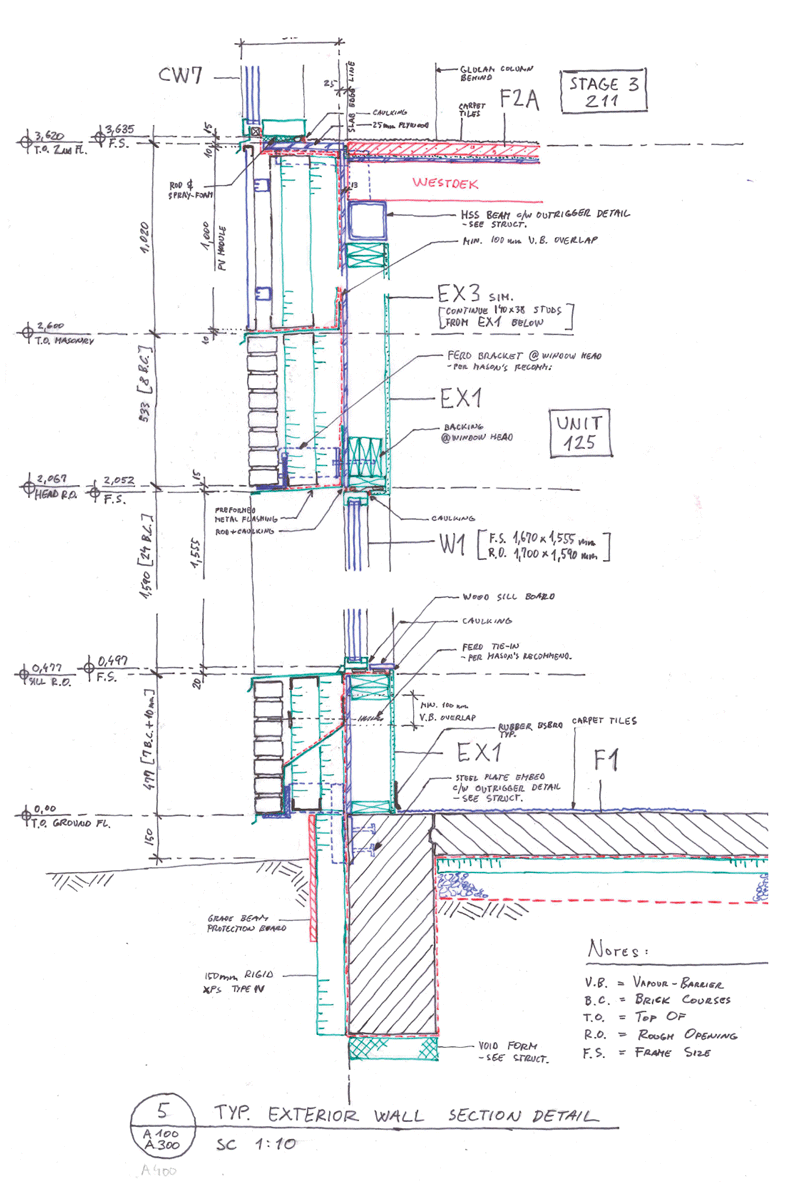
This article came out of a standard request we made to Reimagine Architects (REIMAGINE) for construction details that could enhance our coverage of their award winning Red Deer Polytechnic (RDP) Student Residence project. In this digital age, I had not expected to receive hand-drawn sketches, so I asked principal of REIMAGINE Vedran Škopac how and why they were used.

In my experience, it is not so much the choice of procurement model that determines the success of a project, but the relationship between the client, the consultants, the contractor and the sub-contractors who together work towards the common goal. The main selling point for an Integrated Project Delivery (IDP) model, is that collaboration can identify and resolve problems at the design stage, minimizing disruption and delays during construction. With the preconstruction cost to the owner amounting to 10% of total project cost and construction as much as 90%, if there’s no redesign and construction process is lean, it can have a proportionate impact.

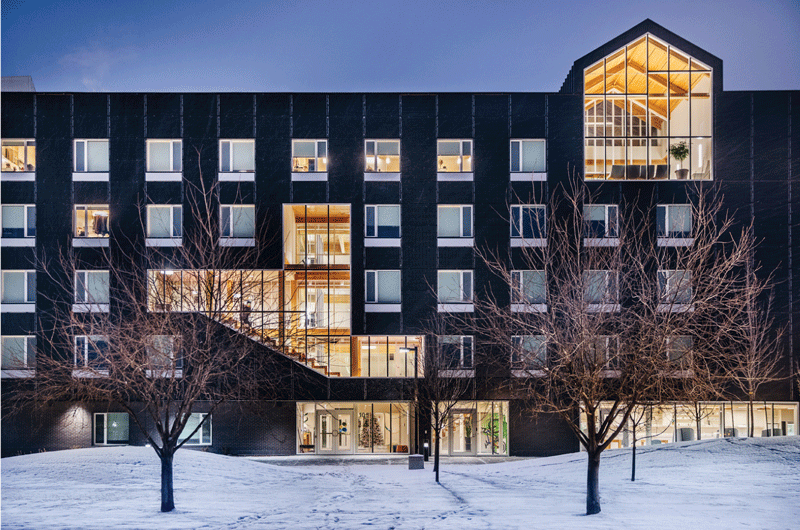
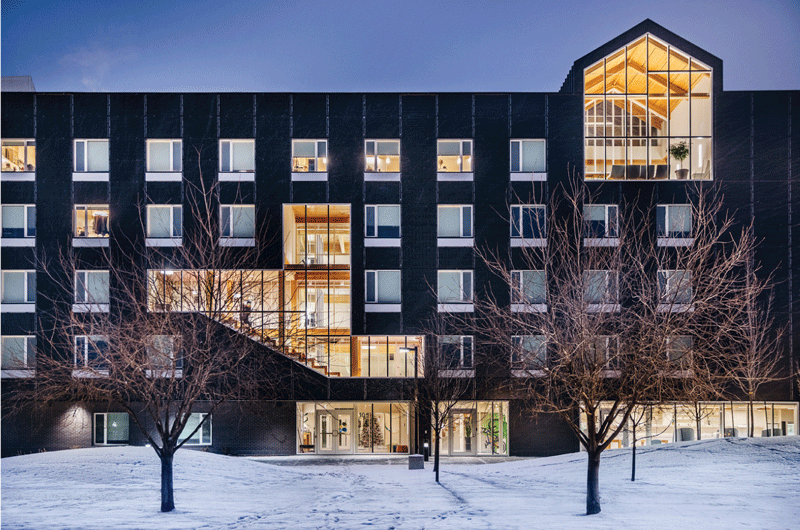
Our original intention on the façade of RDP Student Residence project was to pay homage to the adjacent Arts Centre by Arthur Erickson, which is built in red brick with some inspiring patterns and detailing. We contemplated a black brick structure with our own version of patterns, which is now visible in the main floor façade. Mid way through the Validation Phase of the IPD process, it became clear that masonry cladding (because of its weight) had implications beyond the price of the material itself, specifically on the dimensions and cost of the glulam structure.

With the requirement to stay within the agreed budget, we investigated alternative cladding options, including metal panels, none of which were deemed appropriate for the Residence by our IPD Team. At the same time, we were working with the Polytechnic on another project on campus – Alternative Energy Lab – which was part of a larger, 6-Megawatt PV array install to improve overall campus energy performance. Having worked previously with building integrated photovoltaic (BIPV) arrays on exterior walls, we suggested that the two concurrent projects could benefit from each other by using the façade of the Residence as a vertical PV-array by way of integrating PVs into the envelope in lieu of metal cladding and, coincidentally, avoiding the unnecessary cost of cladding. RDP Residence is now fully PV-clad on all three sides exposed to sun, east, west and south, in all floors above the ground floor. Our estimates were that the installed 161-kiloWatt PV array is offsetting over 40% of overall building energy consumption.

At the point of deciding to integrate PV modules into the envelope, we had already laid out the building and developed the BIM model. The structural grid was optimized for the dimensions of student rooms, more specifically to their typical width, which was studied for months and tested in a full-scale mock-up built on campus and reviewed many times by students and faculty staff. Due to the fixed dimensions of a standard PV module, the fenestration became governed by the PV grid, which was in a different logic from the structural grid.

Our team studied the implications of the overlap between the two grids and engaged our IPD partner that was in-charge of the millwork production and install to figure out the optimal student room layout which will maximise student ergonomics and space efficiency, while the window is in a slightly different location in each room. Amazingly enough, it turned out that student rooms benefited from this unexpected condition by increasing the variety of student room types without making any design modifications, and simply by having a different interaction between the bed, the window bench, the work desk, and the window.

While the sophistication of a BIM model makes it an invaluable tool, it has its limitations. The process of producing building details in CAD from a BIM model can be cumbersome, even counterproductive. When you cut, for example, a section at a particular point in the building, the initial drawing contains a lot of extraneous elements, such as material textures and non-essential lines that an architect must analyze and edit out to ensure the drawing conveys the required information clearly and concisely. This can be a long, tedious, reductive and somewhat unreliable process, that can detach the individual from the naturally creative process of architectural detailing.

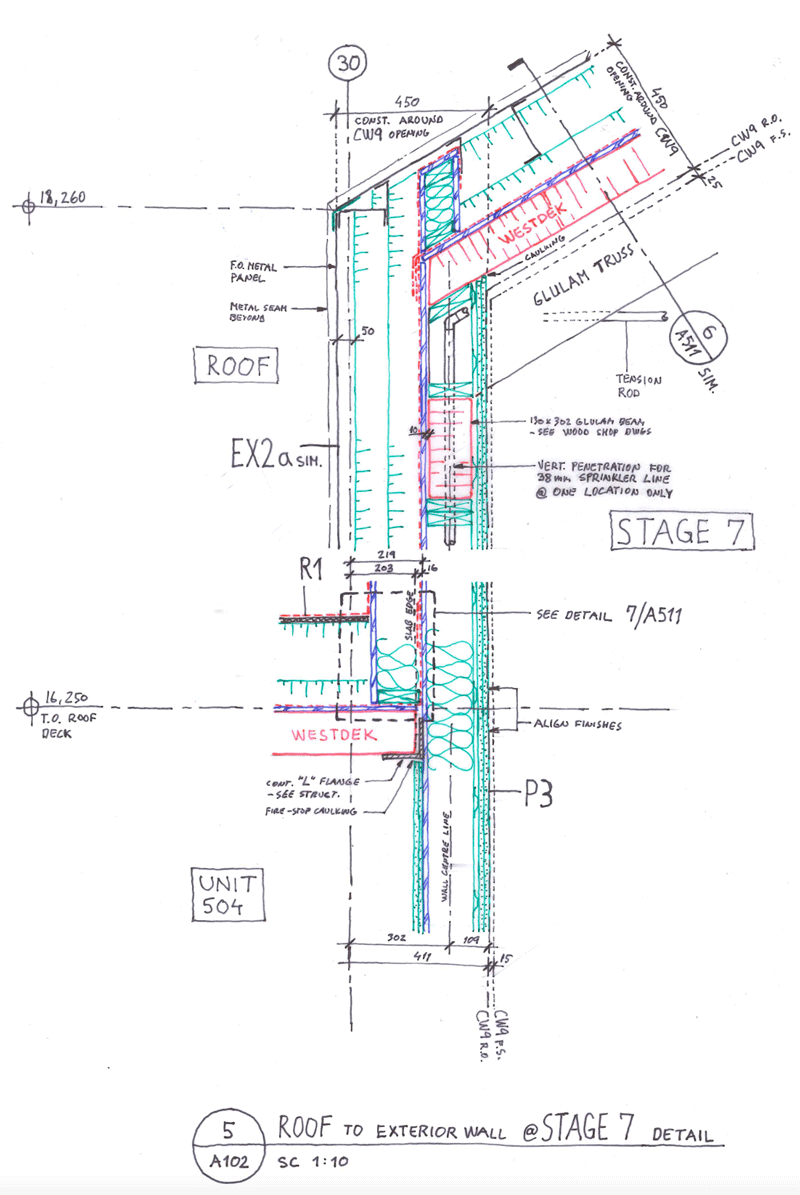
Before producing building details, we explored the critical aspects of thermal resistance, moisture and vapour control. To verify with our own team what the detailing needs to achieve, we sketched all the details by hand, in scale and in different colours denoting structure from thermal treatment, from vapour treatment and from finish materials. Unlike many other projects, RDP Residence was under tight time constraints, so we decided to lean up our own process by eliminating one entire  step in our production of building details – the CAD.

We haven’t had a single Request For Information (RFI) and neither had we to modify any of the hand-drawn details. The  building was constructed exactly as intended. 

The lessons here are perhaps less about the choice of the project delivery method, and more about the relationship between the various members of the project team. Team culture is always the key, because it underpins mutual trust and respect; as well as adaptability and flexibility and it can produce creative and innovative solutions to unanticipated challenges. Lastly, it should be remembered that the tools we use to design buildings are exactly that – tools; and understanding the value and limitations of each in a given situation can also contribute to the success of a project.

West 5 Office and Parking Structure

Ontario project demonstrates the possibilities of net zero in energy and carbon

By McMichael Ruth

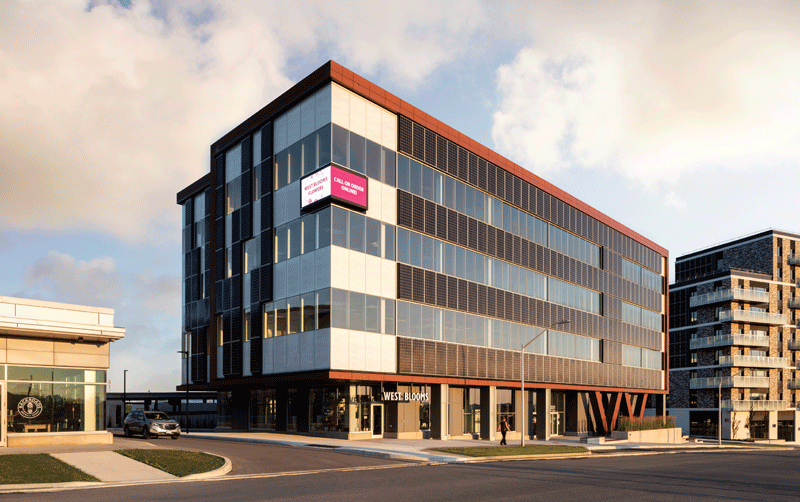
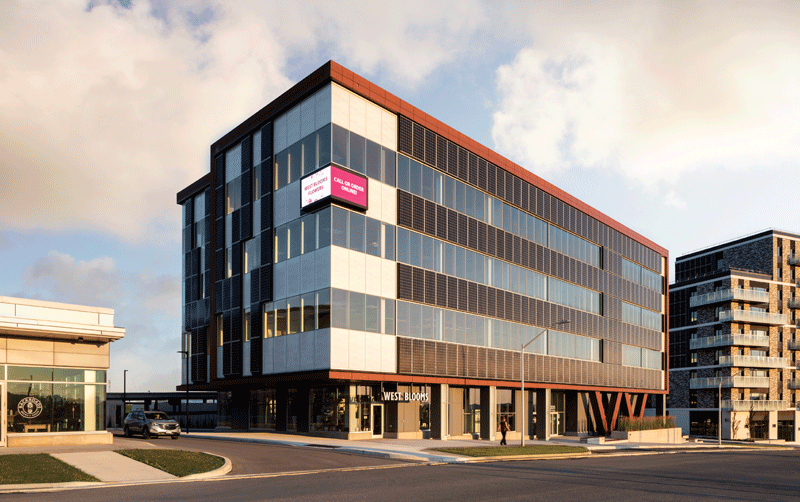
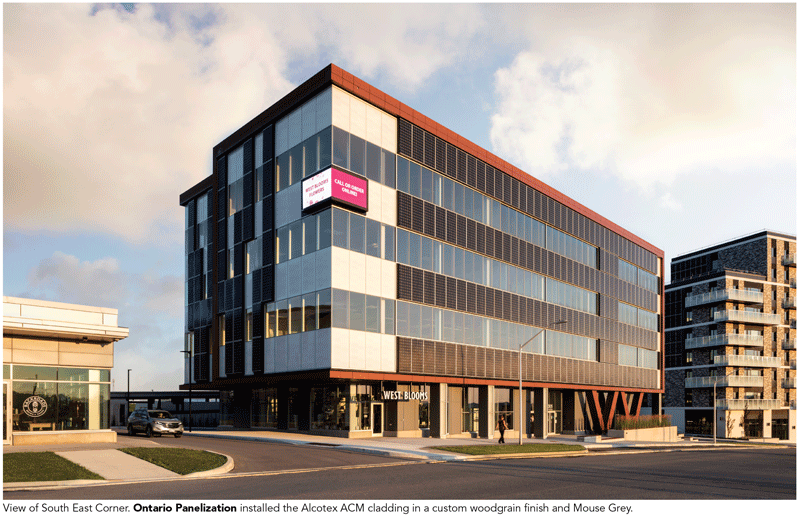
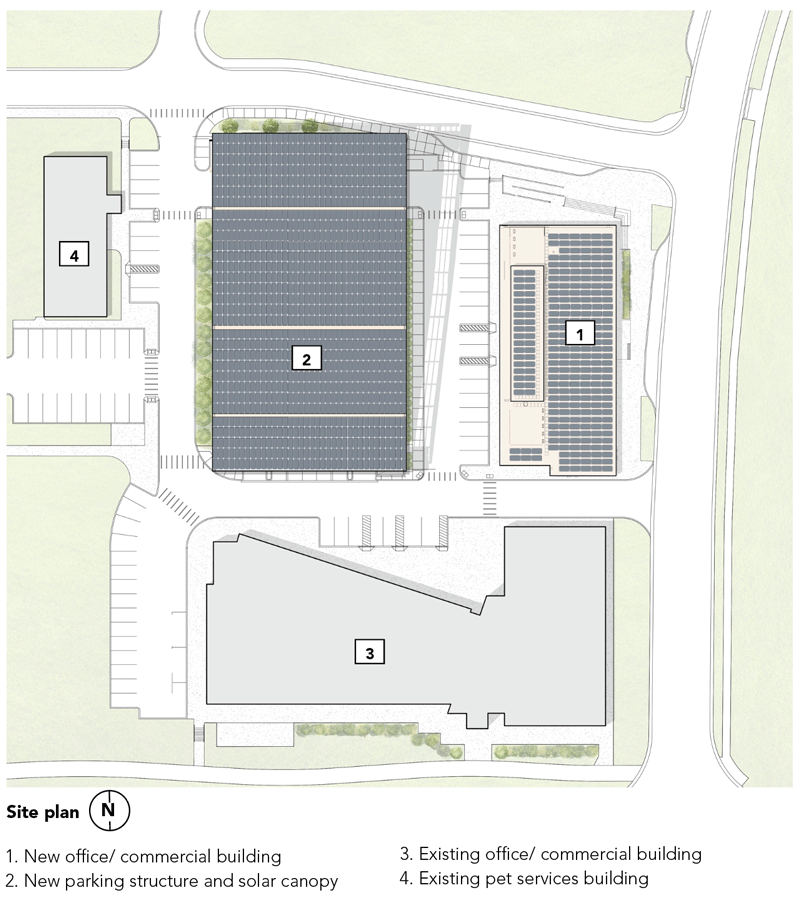
The West 5 Office Building and parking structure is a Net-Zero energy and Net-Zero carbon project that forms an integral part of the West 5 development, Ontario’s first Net-Zero community.

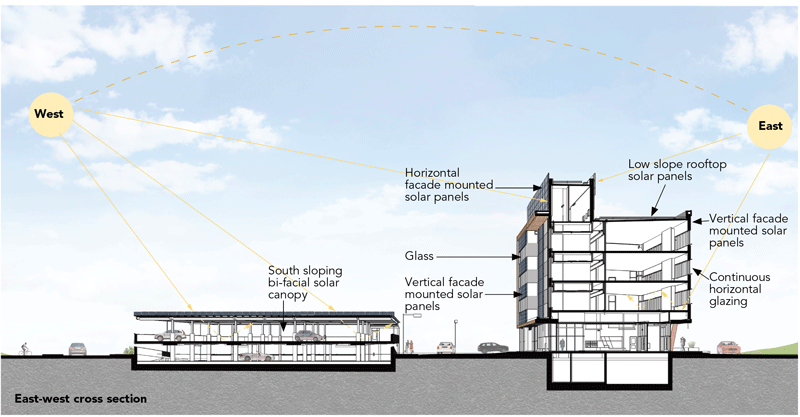
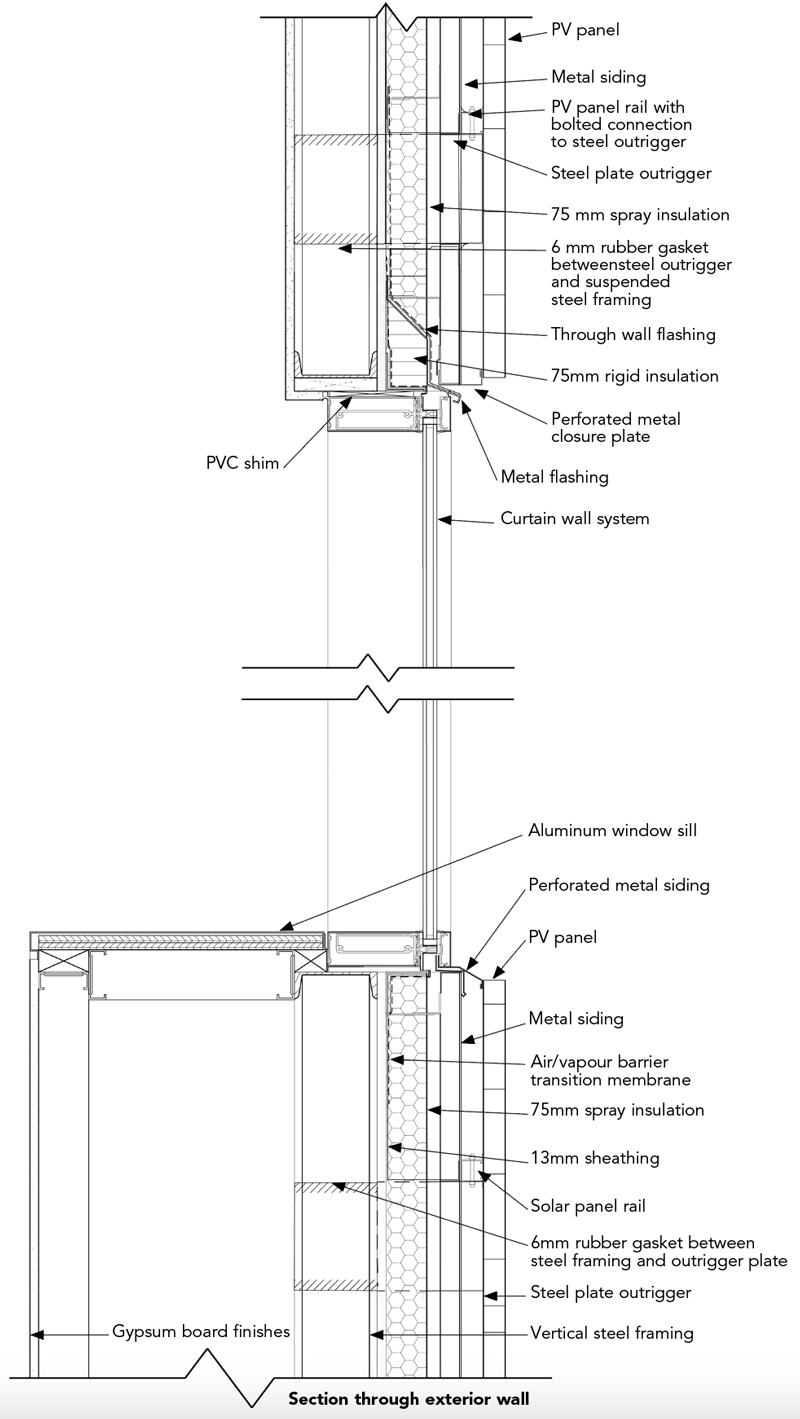
The four-storey, 4180m² Class A office and commercial building and adjacent two-storey parking structure connect with surrounding existing buildings to create a self sufficient energy network. The building utilizes 876 solar panels mounted to the façade and roof, which generate more than 89 percent of the building’s required energy.

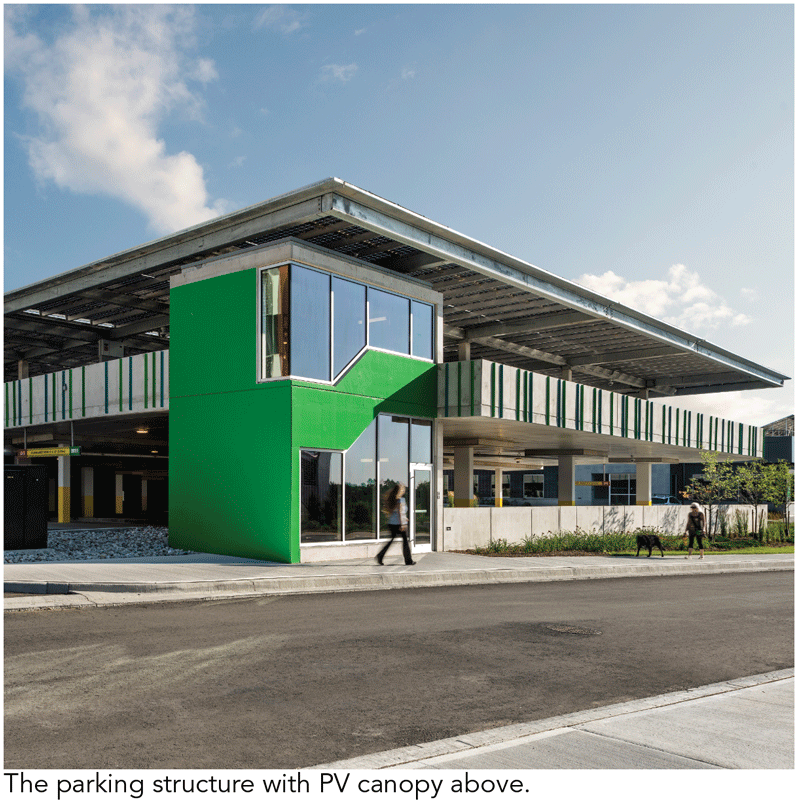
The remaining energy comes from the 1,116-panel solar canopy mounted above the 164-space parking structure.

Together, these panels generate 350 mWh of on-site electricity annually. The surplus energy from the solar canopy, which is more than 100 mWh, is fed directly back into the surrounding buildings, helping to offset their energy consumption.

The vertically mounted PV panels on the east, south and west façades of the office building maximize the amount of solar energy harvested, avoiding the snow build-up that compromises the performance of angled panels.

Panels are strategically placed between windows to preserve light and views to the outside and ensure a comfortable environment for building users. The roof-mounted equipment is also screened by carefully placed vertically mounted PV panels.

The parking structure is integrated into the sloping site and utilizes the existing grade change to provide access to both levels of the garage. The upper level supports the solar canopy which is designed without perimeter columns to create the illusion that the canopy is floating.

The use of bifacial solar modules permit natural light to pass through the panels, illuminating the garage below, while simultaneously capturing reflected light to produce solar power from the underside.

To reduce overall demand to the level where net-zero energy is achievable, the West 5 Office Building employs passive design strategies and high efficiency mechanical and electrical systems to maximize energy conservation.

LED fixtures are provided throughout for the base building, and have become the standard for tenant fit outs. The lighting system features occupancy sensing and dimming capabilities. The energy consumption for the lighting was modelled at 16.6 KWhr/m²/year.

For ventilation, the building features a dedicated outside air system, which distributes treated and filtered air to each tenant space directly. The 100 percent outside air is pretreated through a heat recovery enthalpy wheel to reduce annual energy demand. Energy is recovered from both sanitary exhaust and general exhaust to ensure maximum heat recovery.

The mechanical system is an air source Variable Refrigerant Flow system, which heats and cools the building through condensers located on the roof with distributed evaporators in the tenant spaces. The ambient air is the heat sink or the heat source throughout the year. Thermal comfort is enhanced by providing multiple control zones throughout each floor space and also within tenant areas.

The exterior is partly finished with Alcotex ACM cladding in a custom woodgrain finish and Mouse Grey installed by Ontario Panelization. 

The project is equipped with CityMulti Variable Refrigerant Flow (VRF) energy recovery ventilators by Mitsubishi Electric Sales Canada Ltd.

PROJECT PERFORMANCE

  • Energy intensity (building and process energy) = 92 KWhr/m2/year
  • Energy intensity reduction relative to reference building under ASHRAE 90.1 = 38 %
  • Water consumption from municipal sources = 4,051 litres/occupant/year
  • Reduction in water consumption relative to reference building under LEED = 55%
  • Construction waste diverted from landfill = 98%

PROJECT CREDITS

  • ARCHITECT  Tillmann Ruth Robinson Inc
  • OWNER/DEVELOPER  Sifton Properties Limited
  • GENERAL CONTRACTOR  D. Grant Construction Limited
  • LANDSCAPE ARCHITECT  Ron Koudys Landscape Architect
  • CIVIL ENGINEER  Stantec
  • ELECTRICAL/MECHANICAL ENGINEER  Smith + Andersen
  • STRUCTURAL ENGINEER  VanBoxmeer & Stranges
  • Alcotex Facade Installer  Ontario Panelization
  • PHOTOS Ginzel Photography

SUBSCRIBE TO THE DIGITAL OR PRINT ISSUE OF SABMAGAZINE FOR THE FULL VERSION OF THIS ARTICLE. ALSO AVAILABLE ON ZINIO.COM
The Road to Resilience

In the fall of 2022, the World Green Building Council published its guide for Climate Change Resilience in the Built Environment, outlining the principles for adaptation to a changing climate, applicable at the scale of cities, communities and buildings. This article is a collection of excerpts from the WGBC guide.

The consequences of climate change such as more frequent and worsening droughts, flooding and heat waves are already posing an existential threat worldwide.

This is felt acutely in our largest cities. Cities are important in this regard, not only because it is where most people live, but also where the most impactful solutions could be implemented.

Applying adaptation solutions to our cities will ensure that the built environment continues to protect, provide for, and connect urban citizens, despite a changing climate. Proactive climate adaptation can also deliver transformative health, societal and economic benefits. Most adaptation investments serve multiple purposes and quickly provide everyday benefits for better functioning cities and resilient communities.

For instance, strengthened river embankments can be used as pedestrian walkways, cycle lanes or parks; nature-based or ‘green’ adaptation solutions that use vegetation to reduce heat, drought and flood risk also help to improve air quality, environmental conservation, and citizens’ wellbeing, as well as absorbing greenhouse gases.

Reducing the risks of disasters also improves political security and helps reduce civil unrest, hunger, and disease, contributing to a stable environment for social and economic development.

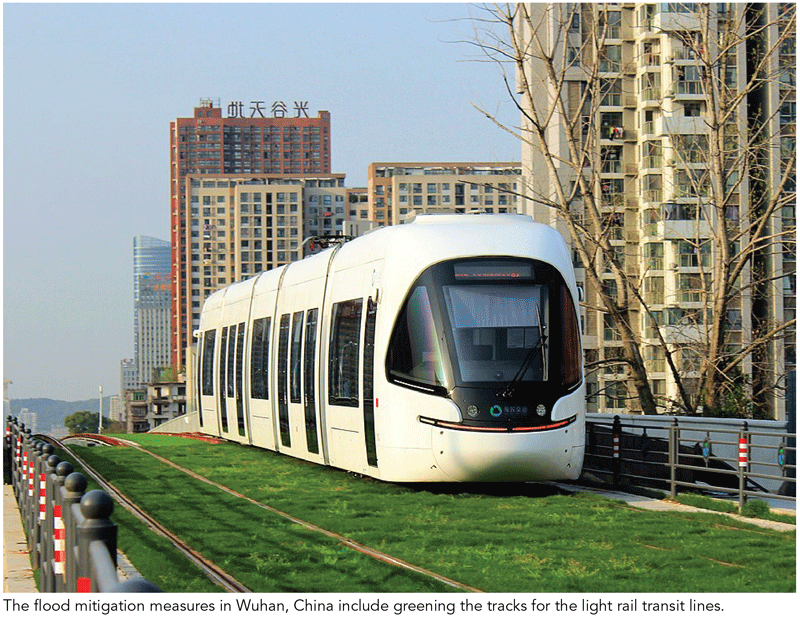
These benefits outweigh the costs of potential losses by a factor of four, on average. Some leading cities are already taking innovative action. Wuhan is promoting ecologically-friendly alternatives to traditional flood defences and drainage systems city-wide called sponge city features. These features will not only work on principles of nature-based solutions to flooding (70% of flood water retention), but also bring multiple benefits to the city including creating cooler environments and creating amenity spaces.

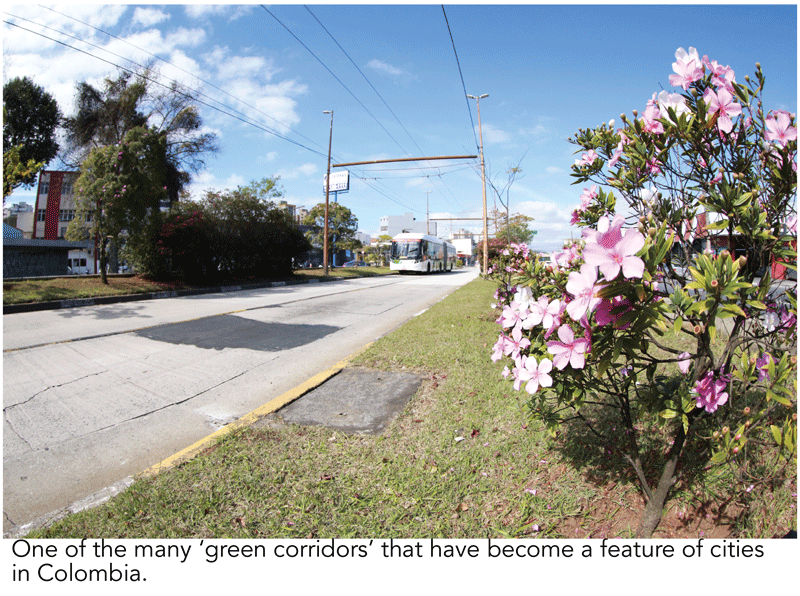
The 15-minutes city concept (in which all a resident’s daily needs can be met within a 15-minute walking radius) is being applied through urban planning globally, from Bogota to Paris. This is not only due to its positive impacts to local economy and life, but also improving resilience to climate shocks. Cities are also implementing various local solutions to tackle increasing Urban Heat Island (UHI) effects. Los Angeles is installing cool paving; Medellin is creating a network of Corridores Verdes (green corridors); Melbourne and Adelaide are planting urban forests; and Cape Town is introducing water sprays in public parks.

Adaptation is needed in cities now. Policy makers, industry and wider stakeholders can ensure a safe and healthy future in cities by taking firm steps, adaptation is embedded in how we plan new and retrofit existing cities. This needs better planning, improved political will and financing adaptation solutions that can make our society more resilient to climate change.

We need to put people and nature first in pursuit of a world resilient to climate change – where we don’t just survive climate shocks and stresses, but thrive in spite of them.

The following sections present principles of built environment management for changes to weather- related climate change impacts such as: storms, high winds, droughts, floods, severe temperature change, and wildfires.

These principles are focused on measures of mitigation and damage protection from continual or gradual climate impacts and in some cases, extreme weather events.

In the words of Sachin Bhoite, Director of Climate Resilience, Climate Solutions and Networks at C-40 Cities, “Applying adaptation solutions to our cities will ensure that the built environment continues to protect, provide for and connect urban citizens, despite our changing climate.“

Strategic Decisions

• Assess and protect natural capital and resources with investment infrastructure – e.g. Prioritize greening of infrastructure in the urban area, including wildlife corridors. Integrate blue and green infrastructure into municipal urban planning. Manage water operations to avoid the depletion of available freshwater from building wastewater, including maintenance of existing water infrastructure.

• Collaborate with multi-disciplinary and public entities, enabling faster and more efficient

resilience and adaptation activities across the community and neighbourhood.

• Put in place early warning systems – command and control spaces – and emergency response plans for extreme climate events.

• Adopt sustainable strategies and frameworks that focus on community-scale planning, such as adopting natural capital based financial reporting to encourage nature-based solutions.

• Conduct detailed assessment of ecological health in the area to keep an eye on climate risks.

• Integrate indigenous knowledge and resources to help monitor key components of biodiversity, support sustainable use of environmental resources, and enforce conservation management through indigenous value system.

SUBSCRIBE TO THE DIGITAL OR PRINT ISSUE OF SABMAGAZINE FOR THE FULL VERSION OF THIS ARTICLE.

Future Forward: Innovations in Passive House and Beyond

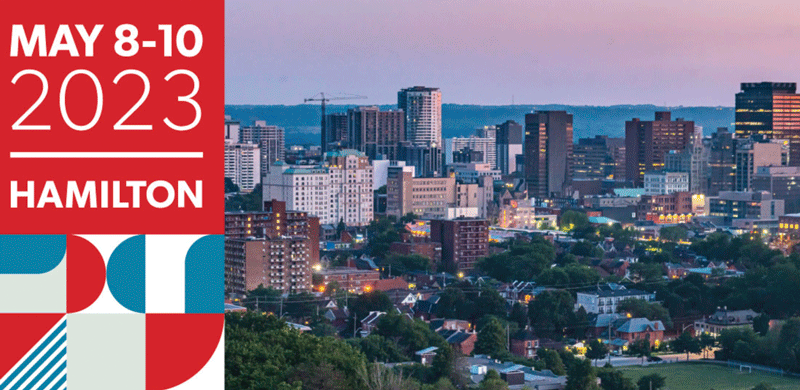
Hamilton Convention Centre | Hamilton, ON | May 8-10, 2023

Join Passive House Canada May 8 through 10 in person in Hamilton, Ontario, or live online as we throw a spotlight on the ways in which the building sector is driving investment and collaborations that target decarbonizing buildings, improves climate change resilience and advances the health and safety of residents.
Showcasing the creativity and innovation of our remarkable Passive House community through projects and expertise, we will also look at governments, environmental and building sector stakeholders that are adopting Passive House or equivalent green building standards to address a generation-defining crunch for more affordable housing in the face of a global climate crisis.

Chris Ballard, CEO, Passive House Canada

SNEAK PEEK: CONFERENCE HIGHLIGHTS

MAY 8

UNECE High Performance Buildings Initiative: Partnership for Global Consensus and Local Adaptation of Energy Efficiency Standards in Buildings

  • Dario Luigi, Director, Sustainable Energy Division, United Nations Economic Commission of Europe (UNECE).

In the face of Electrification: Opportunities and Challenges

  • Lisa DeMarco, Senior Partner and CEO, Resilient LLP.

Special Panel: Community Impact, Building Action and Inaction

  • Corey Diamond, Executive Director, Efficiency Canada
  • Blair Feltmate, Professor and Head, Intact Centre on Climate Adaptation
  • Julia Langer, CEO, The Atmospheric Fund
  • Marc Soberano, Founder and CEO, Building Up

MAY 9

Special Panel: Getting to the Goal Post: High Performance Building in Hamilton

  • Trevor Imhoff, Senior Project Manager, City of Hamilton
  • Sean Botham, Manager of Development, CityHousing    Hamilton
  • Medora Uppal, Chief Executive Officer, YWCA Hamilton
  • Henry Schilthuis, President, Schilthuis Construction

Special Panel: Global Standards for Buildings and Outcomes they Demand

  • Jerome Bilodeau, Director, Office of Energy Efficiency, Natural Resources Canada
  • Dario Luigi, Director, Sustainable Energy Division, United Nations Economic Commission of Europe (UNECE)
  • Bronwyn Barry, Passive House Network

Upscaling Delivery to Large, Complex Passive House Projects: Lessons Learned From One of the First Large-Scale Buildings in Ontario

  • David Stanton, Marine Sanchez,  RDH Building Science, Inc.

May 10: Policy Pathways to Building Decarbonization

  • Kevin Lockhart, Research Manager, Efficiency Canada

Meeting Passive House Standards with Masonry

  • Mark Hagel, Alberta Masonry Council

As well as a Passive House project tour, featuring:  Putman Family YWCA Mixed-Use Affordable Housing

  • James North Baptist
  • Ken Soble Tower
  • Coronation Park Apartments
  • King William Modular Housing (Tentative)

*Separate ticket required for this event

May 8-10 will also include an EXHIBITION HALL, featuring products and services from some of Canada’s biggest names in Passive House. Limited in person tickets available; unlimited virtual tickets available. Find out more or register at: conference.passivehousecanada.com