

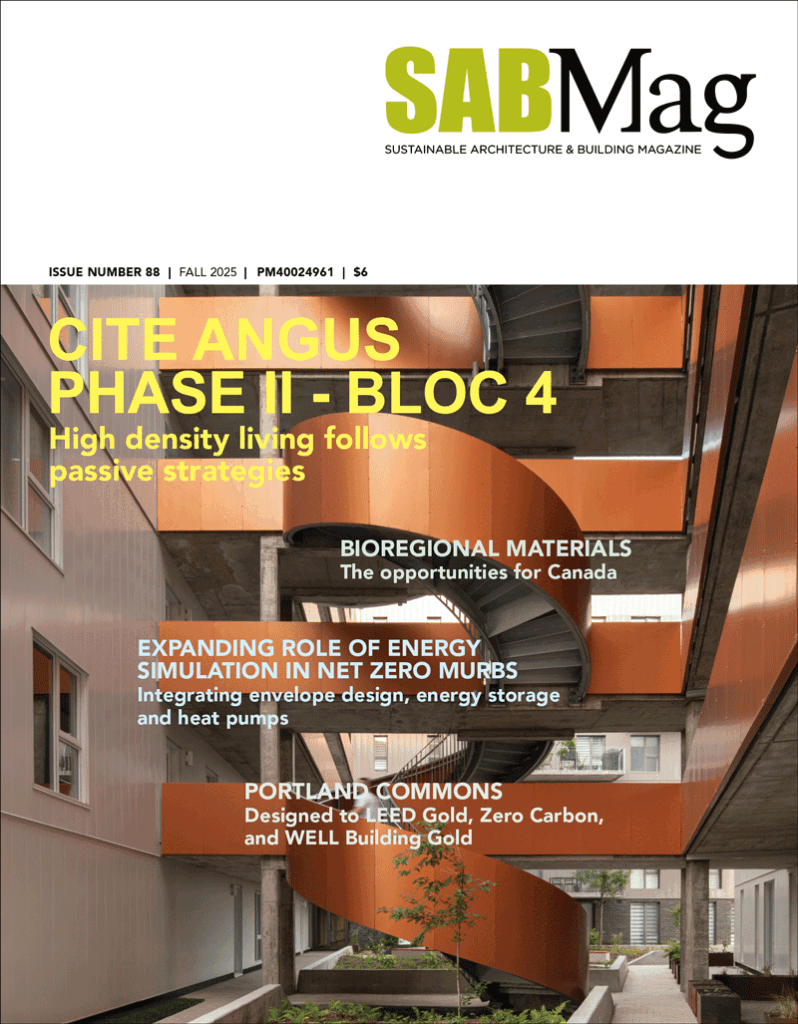
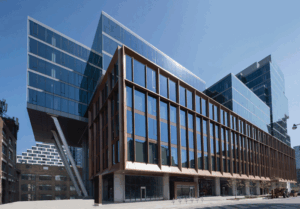
 Portland Commons
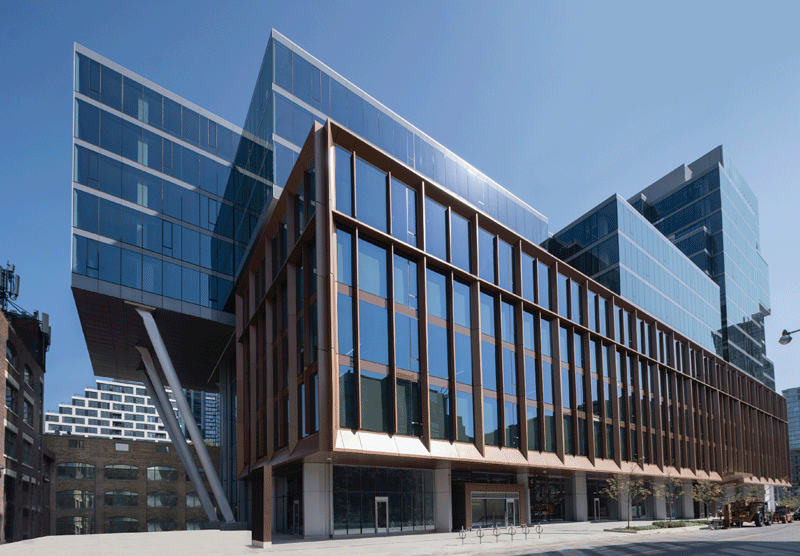
Designed to achieve the hat trick of LEED Platinum, LEED Zero Carbon, and WELL Building Gold
By John Gillanders
Portland Commons is a high-performance commercial office and retail development, integrating with the surrounding neighbourhood through its preservation of surrounding heritage buildings, terraced massing and activated, pedestrian focussed street presence.
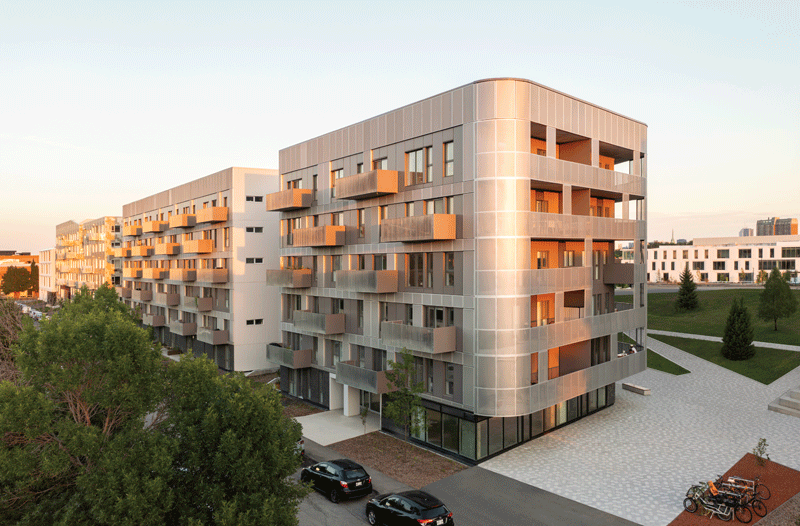 Cite Angus Phase II
High density living follows passive strategies
By Maude Pintal
Cité Angus Phase II is located on the last vacant lot of the Technopôle Angus site, in the Rosemont-La Petite-Patrie district of Montreal. Technopôle Angus is part of an integrated approach to sustainable development, revitalization, and access to home ownership for families wishing to settle in the heart of the city.
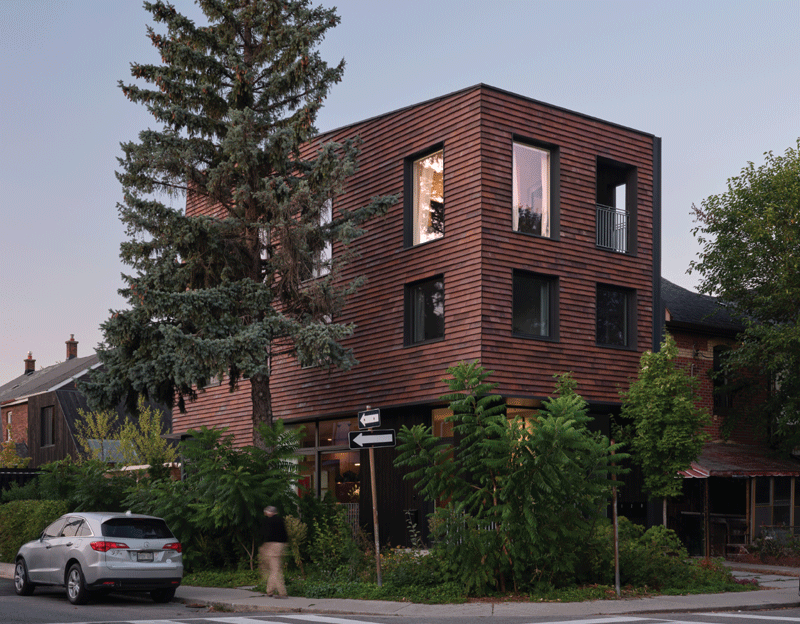 Ulster House
Prototype targets gentle density and sustainable living
By LGA Architectural Partners
Completed in the spring of 2025, Ulster House, Toronto’s first multiplex condominium, exemplifies gentle density, market affordability, thoughtful design, and environmental responsibility. The infill project comprises four condominium units with a total floor area of 377 m² and a 56 m² laneway suite.
 Getting MURBs to Net Zero: The Expanding Role of Energy Simulation in Design
Integrating envelope design, heat pumps, energy storage, renewables
By Chris Flood
Multi-Unit Residential Buildings (MURBs) occupy a critical place in Canada’s urban decarbonization strategy. These high-density residential forms are growing rapidly in every major city and represent a large share of new construction floor area.
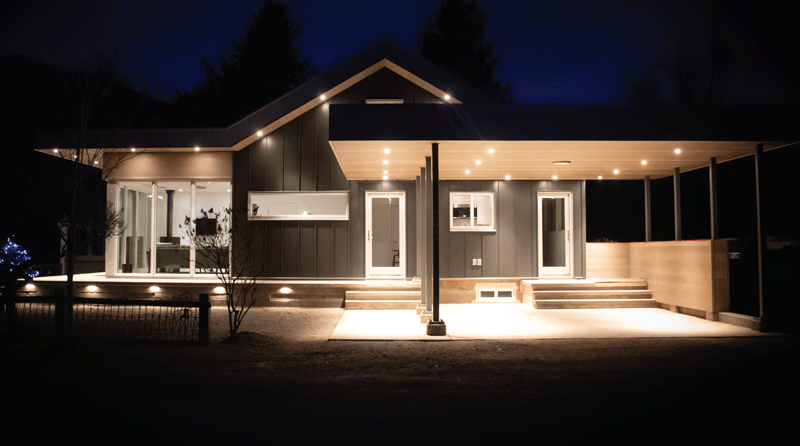 Jones Residence Reno
1945 cabin reimagined as an enduring retirement home
By Jordan Jones
The village of Kaslo is located on the west shore of Kootenay Lake in southeastern British Columbia on the traditional territory of the Ktunaxa and Sinixt First Nations. Settlers used Kaslo as a sawmill site from 1889, but the village expanded because of the silver boom of the late 19th century. The village retains several buildings that date from this period as well as the sternwheeler, S.S. Moyie, which operated on the lake from 1898 to 1957.
 VIEWPOINT
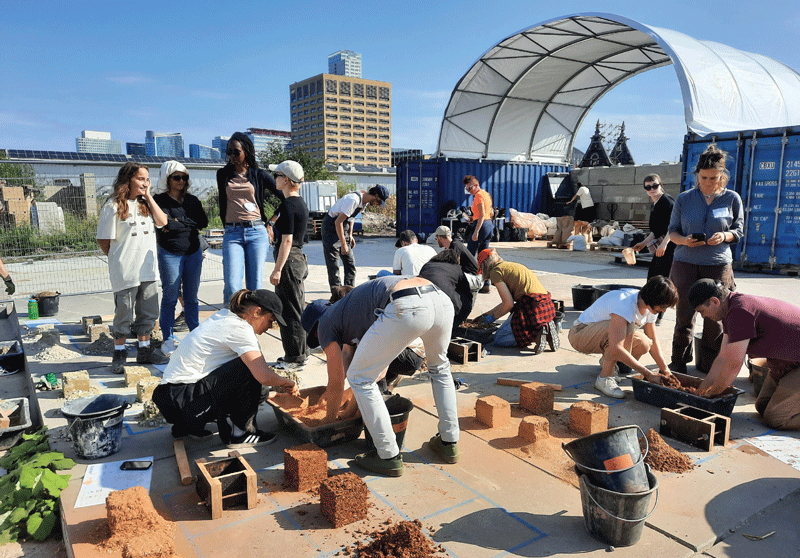
Bioregional Materials -the Opportunitiesfor Canada
By Ryan McClanaghan
The future of sustainable construction in Canada lies in the untapped potential of our bioregions. Trading globalized construction supply chains for international knowledge-sharing on sustainable design strategies won’t just help us build more responsibly – it has equal potential to deepen our connection to place.
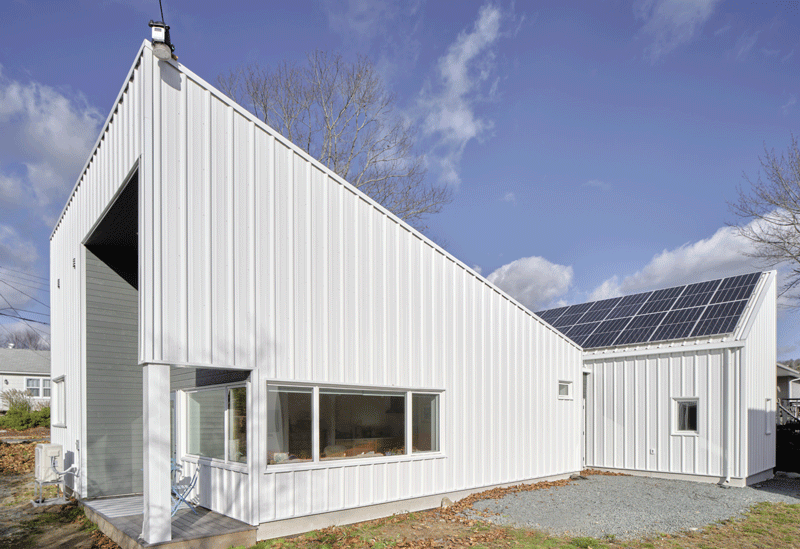 (S) Efficient House
Compact design a rethink on housing and retirement
By Maegan Murrins and Rayleen Hill
Sitting on a small lot of a tight urban street on the outskirts of downtown Halifax, the (s)efficient house overlooks a south-facing garden while keeping the east views of the industrial lands to a minimum.
 INTERVIEW WITH
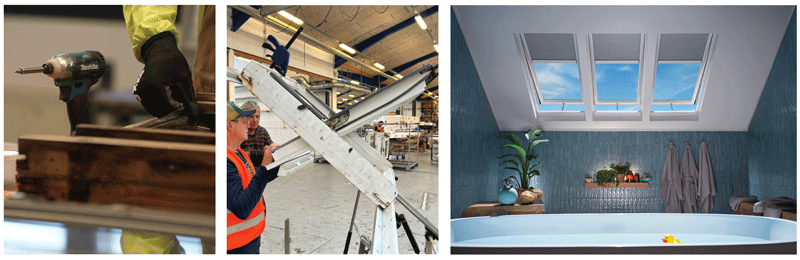
Stephan Moyon, President, VELUX North America on resilient design and circularity
Q1: How do VELUX products contribute to resilient construction and improved indoor environmental quality (IEQ)?
VELUX offers innovative skylight systems that promote healthy ventilation and leverage the natural beauty of daylight to transform interior spaces.